

Coexisting with a Changing Climate

As I write this in early October, at the peak of hurricane season, I know just how unusual this summer has been. Atlantic tropical storms have been almost nonexistent (and I hope will stay that way until the season ends Nov. 30). But this year has been an anomaly caused by a record-breaking El Niño, a natural weather pattern that can create enough wind shear to keep storms from developing.
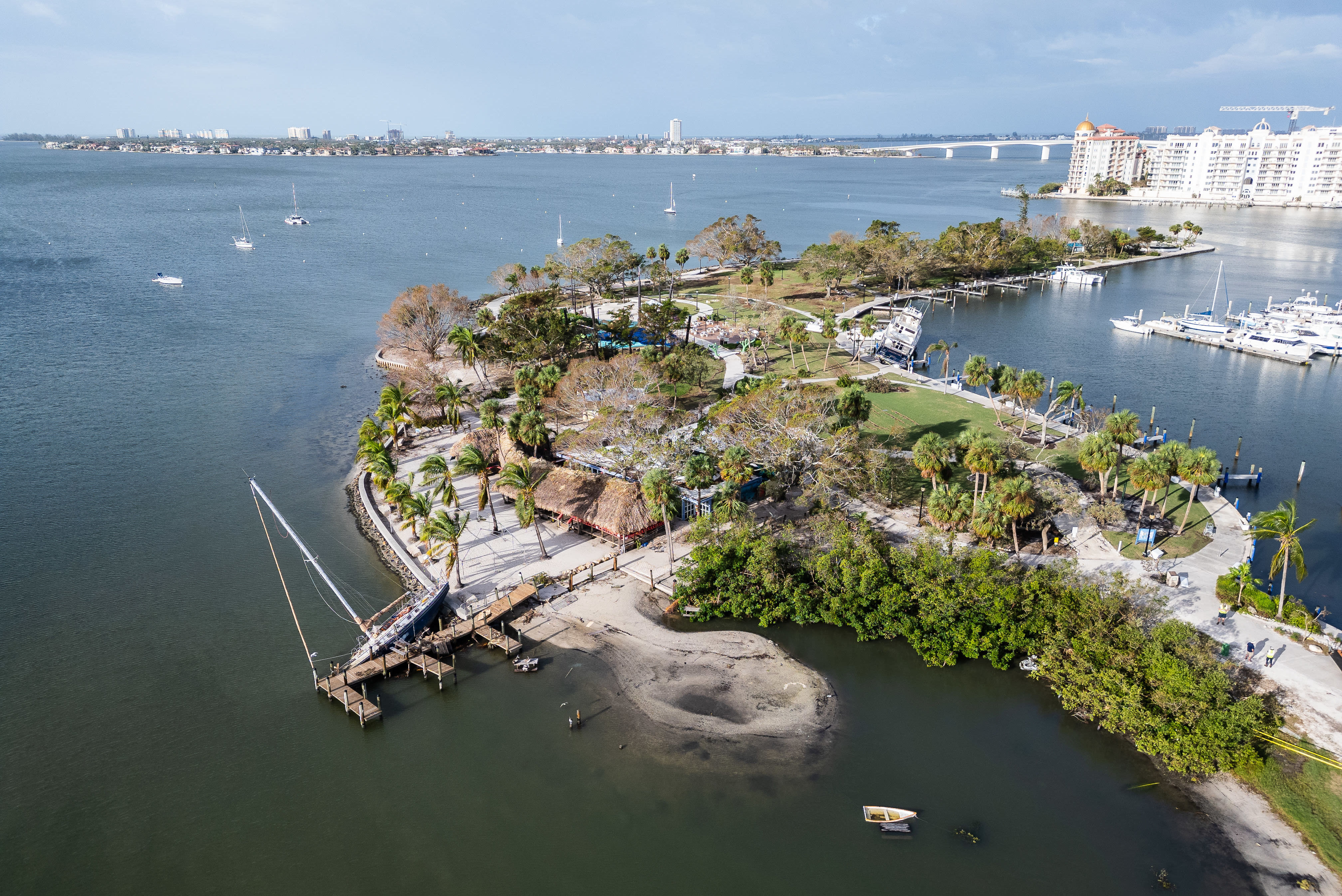
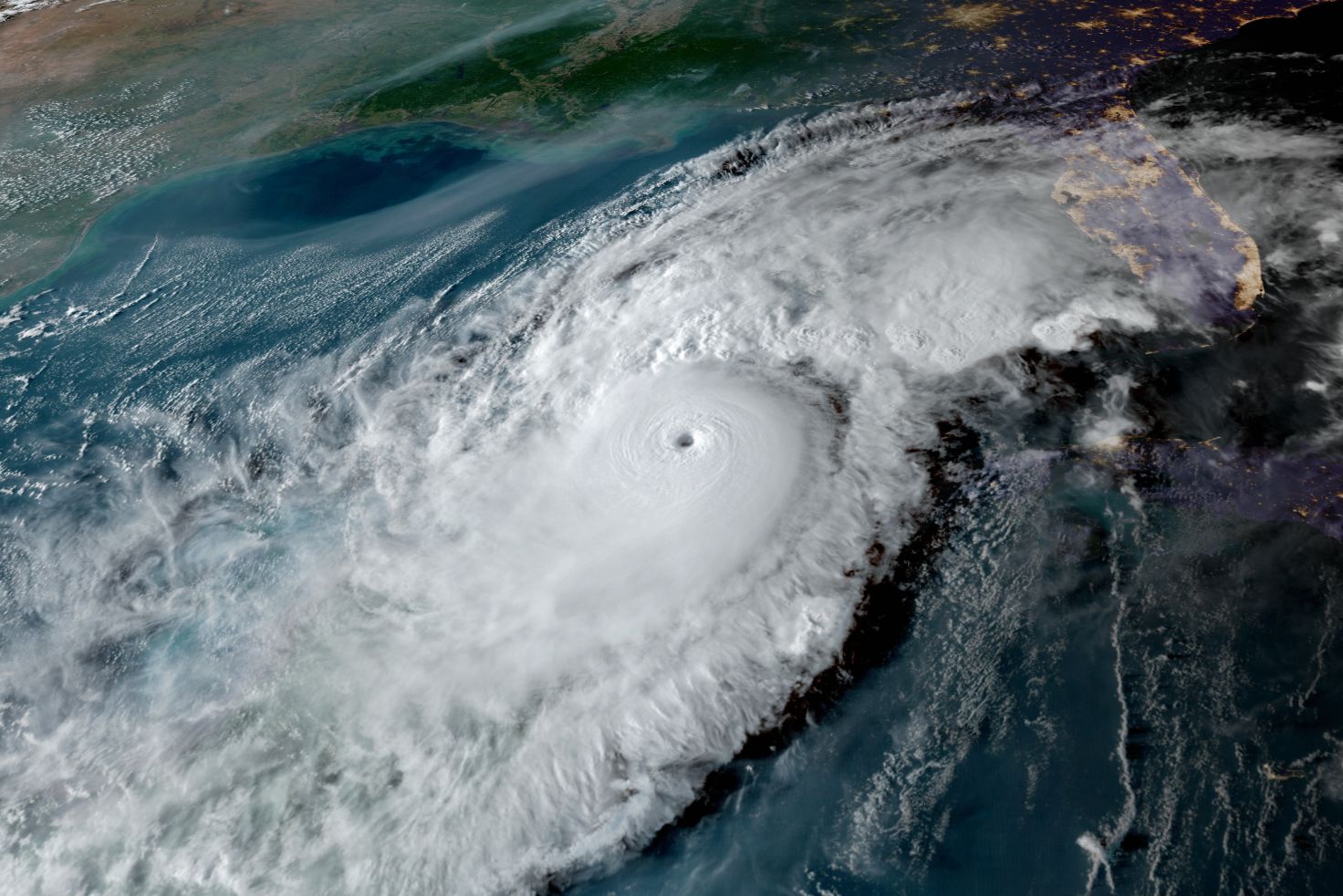
We weren’t in an El Niño pattern two years ago when Hurricane Helene, a Category 4 storm, churning 100 miles away in the Gulf, swallowed Sarasota with catastrophic storm surge, wreaking $1.1 billion in destruction. I had evacuated with my husband, other family members and our dogs to a nearby hotel, where we crammed into four rooms. The evacuees filling the other rooms were mostly residents from a bayfront assisted living facility, many of them using walkers and wheelchairs and traveling with their medicines, oxygen machines and facility staff.
Eventually, our hotel lost electricity. No lights, no working elevators, limited food. For those frail seniors who couldn’t navigate the stairway, it was scary—and dangerous.

Image: Nicole Moriarity
How I wondered, did their facility and other assisted living facilities, many developed in the last decade, get approved in flood zones? Didn’t developers and local officials understand the risks of evacuating frail elders?
Bob Bunting says probably not. Bunting has warned ever since he founded the Sarasota-based Climate Adaptation Center (CAC) in 2020 that planners and builders as well as residents need to recognize the realities of a warming world. Bunting is an interesting mix of climate scientist, entrepreneur and educator (he was also a popular TV and radio meteorologist). An expert who lives and breathes climate and the weather, he is relentless—although never pessimistic—about both our need and our ability to adapt. Bunting insists that with enough data and ingenuity, we can cope with the changing climate and the intense new storms it’s bringing. And he believes individuals, government, philanthropic organizations and educators all have a role to play. We’re not prepared, he says, but we could be.
You can learn more at the sixth annual CAC conference on Nov. 12 at New College of Florida. DreamLarge, Sarasota Magazine’s parent company, is a sponsor. Bunting will introduce The Living Laboratory for Coastal Resilience, which will collect and provide data to help us co-exist with our changing world.
Sarasota Bay, he says, is one of our greatest assets, but also our greatest threat, making us vulnerable to rising seas and storm surge. Yet from Spanish Point to the north edge of the New College of Florida, we have no sensors that could provide invaluable data to help determine where to build and how to design safe and resilient homes, schools, hospitals and roads—and those assisted living facilities.
Bunting intends for the The Living Laboratory to become a model of resilience and adaptation for other coastal communities around the world. But we can start here. Let’s tap into the expertise of the CAC to prepare Sarasota for what’s ahead. “The ultimate objective isn’t simply more data. It’s better decisions,” Bunting says.
The sixth annual CAC Florida Climate Conference takes place Thursday, Nov. 12, 9 a.m. to 4 p.m. at Selby Auditorium, 8350 N. Tamiami Trail (formerly the University of South Florida Sarasota-Manatee campus). General admission is $109; student admission is $55. To register go to theclimateadaptationcenter.org.