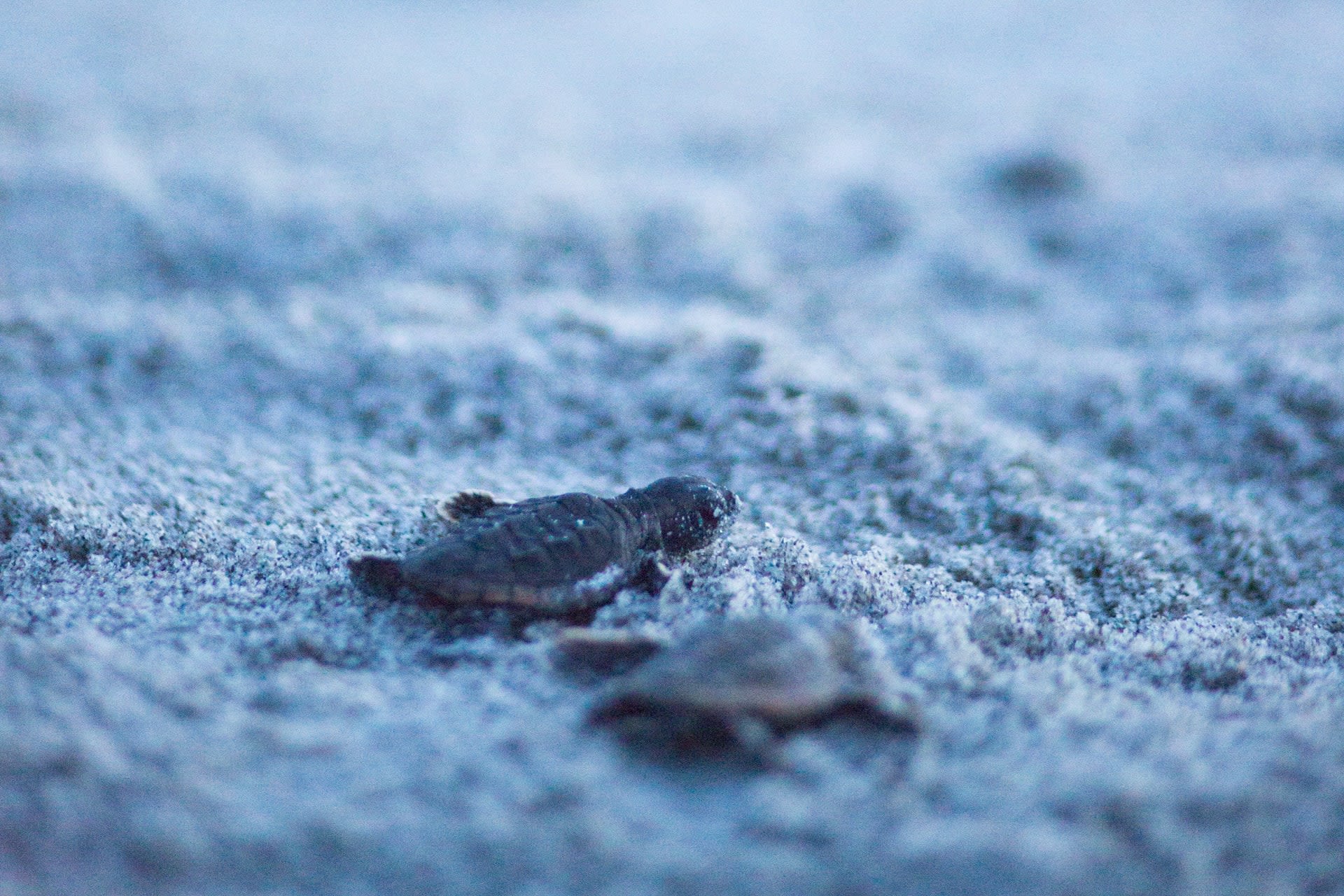



Mote Counted 4,927 Sea Turtle Nests on Local Beaches This Year
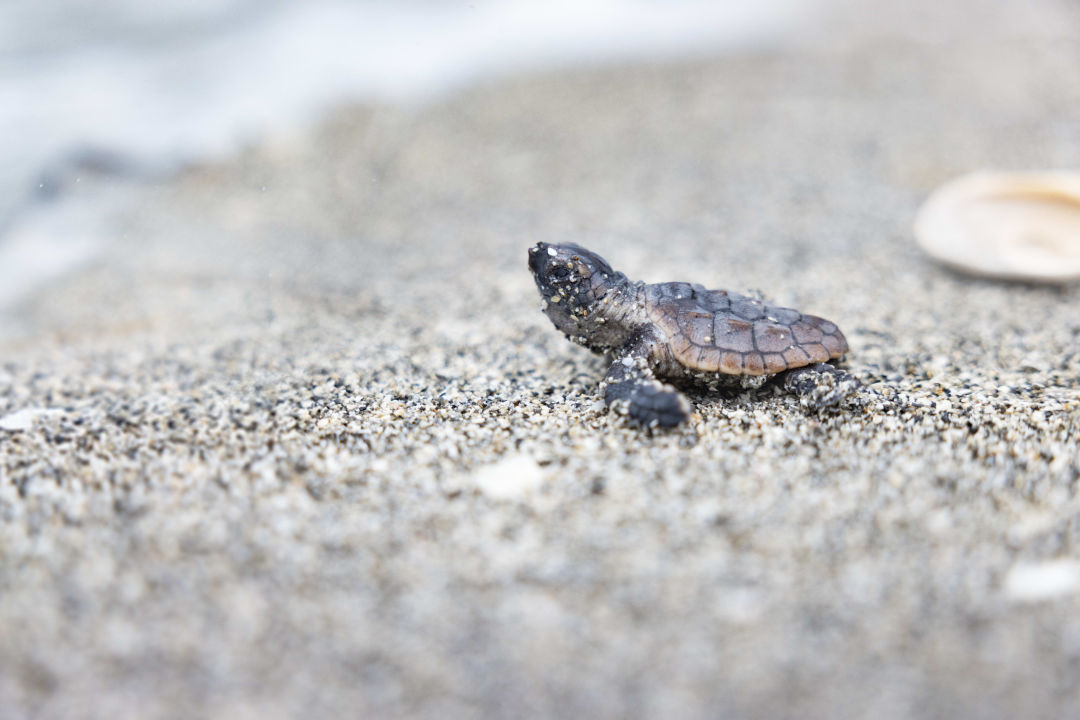
Image: Courtesy Photo
Mote’s Sea Turtle Conservation and Research Program (STCRP) reported 4,928 sea turtle nests on 35 miles of Sarasota County beaches this year, from Longboat Key down to Venice.
That number includes 4,732 loggerhead sea turtle nests and 196 green sea turtle nests. (Sarasota County occasionally hosts rare nests from Kemp’s ridley and leatherback turtles, though neither species was documented this year.)
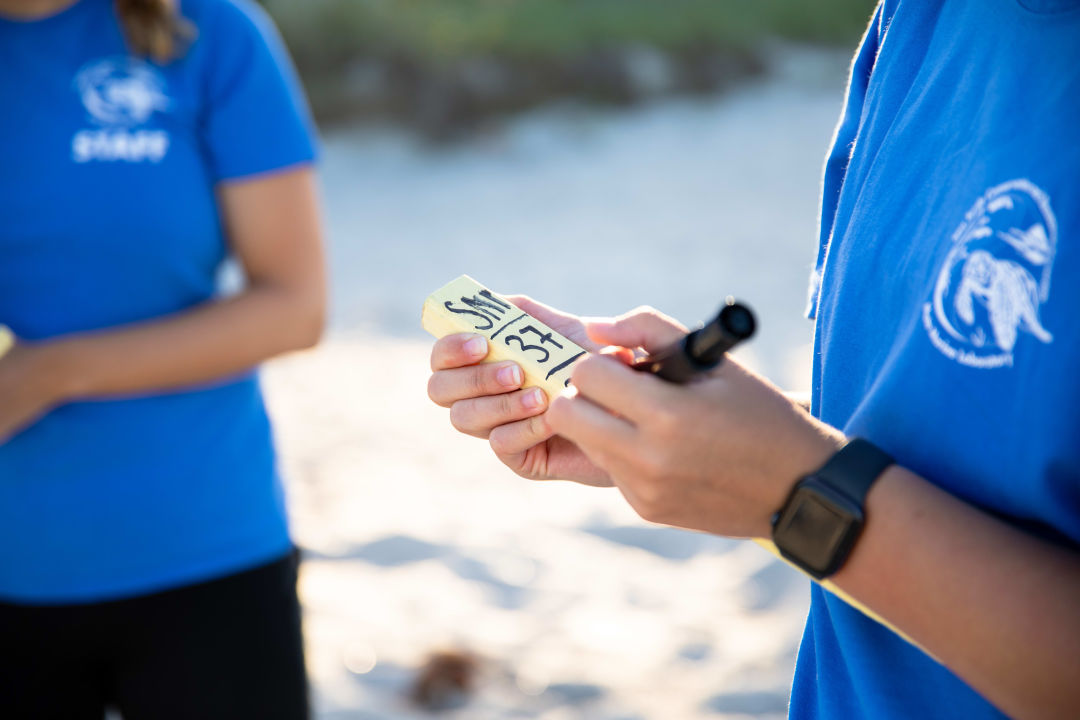
Image: Courtesy Photo
Both threatened loggerhead turtles (Caretta caretta) and green sea turtles (Chelonia mydas) face threats from coastal development, artificial lighting and other human activities, and in addition to monitoring nesting activity, STCRP works to protect sea turtles, their nests and hatchlings from those potential threats. This year, the STCRP documented 253 sea turtle disorientations, which occur when artificial lighting along the shoreline misleads hatchlings or nesting females away from the ocean, often resulting in exhaustion, dehydration or death. Reducing beachfront lighting, removing beach furniture at night and keeping nesting areas clear are important steps the community can take to help protect sea turtles.
Now in its 45th year, Mote’s STCRP has monitored and protected sea turtle nesting activity since 1982, collecting long-term data essential to understanding population trends, reproductive success and the effects of environmental and human factors on nesting behavior. It's one of the longest continuous sea turtle monitoring efforts in the United States and supports conservation research and management decisions by local, state and federal partners.
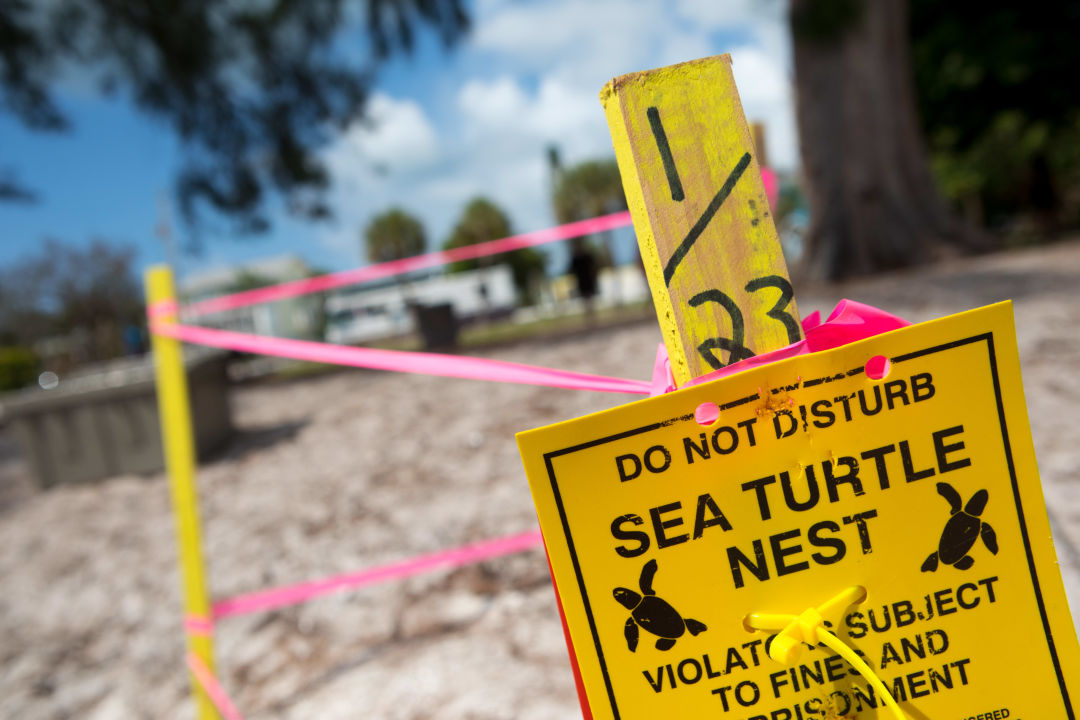
Image: Courtesy Photo
More than 300 volunteers, plus STCRP staff and interns, comprise the program's Sea Turtle Patrol, which conducts daily beach surveys from April 15 through Oct. 31. The team documents nest formation, nesting crawls and hatchling emergences and carefully marks and protects nests throughout the season.
“Protecting sea turtles requires an incredible amount of dedication throughout the nesting season,” Melissa Macksey, senior biologist and data manager of the STCRP, said in a release. “Our staff, interns and volunteers worked diligently each day to document nesting activity, protect nests and monitor hatchling success."
STCRP scientists use the data they collect to study changes in the timing of nesting, nest density, hatching success and the influence of environmental conditions. The research helps scientists better understand sea turtle reproductive patterns and supports conservation strategies to protect these threatened and endangered animals.
To learn more about joining Mote’s Sea Turtle Patrol or sea turtle nesting in our region, click here.