




It's Hot and Getting Hotter. Here's How to Stay Safe This Summer.
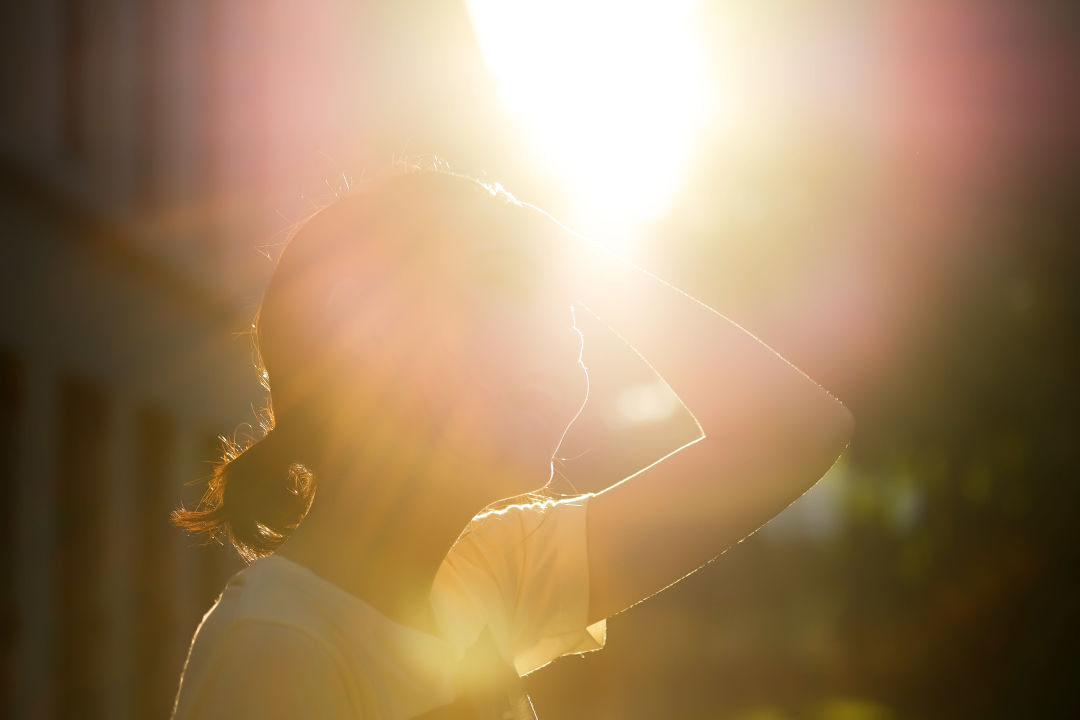
You've seen it when you check your weather app: Temperatures in the 90 degrees Fahrenheit range by 11 a.m., with "feels like" temps in the 100s. Tropical summer thunderstorms bring some relief, but after the rain subsides, the humidity makes the air feel soupy. Even at 10 p.m. at night, temperatures are still in the mid-80s. It's summer in Florida, and it's hot.
It's not just our state: A dangerous "heat dome" is building over much of the Eastern seaboard and midwest this week, with highs in the mid-90s expected as far north as Maine. Even though June isn't over yet, it's already setting heat records, with dangerous temperatures across largely un-air-conditioned Europe buckling highways and sending thousands to the hospital. Even normally mild Nordic countries are sweltering, with Basel, Switzerland, reporting temps of 102 degrees Fahrenheit over the weekend.
And while we may be used to the heat here, it's still important to take precautions—especially if you work outside.
“Heat stroke is a true medical emergency,” says Casey Howell, a 39-year-old trauma emergency resuscitation nurse and trauma injury prevention coordinator at Sarasota Memorial Hospital. People who experience it usually have extremely high temperatures (103 degrees or higher) and dry skin, have stopped sweating and, if they haven’t lost consciousness, often complain about confusion, headaches, dizziness and nausea. “If you think someone is experiencing heat stroke, get them to an emergency room immediately,” says Howell.
Even if your work doesn’t require you to be outside, Howell says that Florida’s consistently hot weather means that we should all know our personal risk tolerance and make responsible choices when we go outside. “It’s hotter and more humid than it used to be—that’s a statistical fact,” she says. “We need to get into a mindset of planning for the heat more than we might be accustomed to. You’ll enjoy yourself more and be less susceptible to heat-related injuries.”
How to Stay Safe in the Heat
Howell’s top tips and expert perspective from her career in trauma injury prevention.
Know Your Personal Risk Factor Before You Go Outside
“If you’re very fair-skinned and burn easily, you can’t tolerate the sun as long,” Howell says. The very young and elderly are more prone to heat-related injury, and if you’ve been drinking the night before, you’re at a higher risk of becoming dehydrated and getting sick. Certain medications, including diuretics and antihistamines, can also increase the risk of heat-related illness or injury, and if you already have a sunburn or heat rash, those can increase sensitivity to heat and the sun, as well.
Cover up and Wear SPF—Lots of It
The hottest time of day is between 10 a.m. and 3 p.m., so try to avoid being in the sun for extended periods doing those hours and avoid heavy work if you have to be outside. If you do, wear loose clothing made from ultraviolet protection factor, or UPF, fabric, which offers protection from the sun’s UVA and UVB rays; sunglasses that block 99 to 100 percent of UVA and UVB rays; and a hat with a wide brim that covers the back of the neck and the ears, forehead and scalp. “We lose about 20 percent of our body heat through the top of our head, so this may seem counterintuitive, but you’re providing yourself with a bunch of shade by wearing a hat,” says Howell.
As for SPF, Howell says to apply early and often. “SPF 15 blocks 93 percent of U.V. rays and [formulas] increase incrementally from that, but if SPF 100 makes you feel better, wear it,” she says. “If you don’t like chemical sunscreens, wear mineral. Just use it, and use more than you think you need. There’s no risk in over-applying.”
And don’t forget: Just because it’s cloudy doesn’t mean you can skip the ’screen. “You will absolutely still burn on overcast days,” Howell says.
Stay Hydrated
“Drink all of the fluids!” Howell says, but do avoid caffeine and alcohol. “If water’s not your thing, drink Gatorade, coconut water or herbal tea, but I want you to be well-hydrated.” A good rule of thumb: “If you drink soda, beer or something with alcohol or caffeine, follow it with two un-caffeinated, non-alcoholic beverages to maintain hydration,” Howell says. “Alcohol and caffeine are diuretics and pull fluids out of the body. You have to replace what you’re losing and put in extra to maintain hydration.”
Take Shade Breaks Often
“When the heat index is over 100, you should be much more cautious, especially when you think about sun exposure and workload,” says Howell. “You might be doing construction or landscaping, or you might just be running around in the yard with your kids, but for every 40 minutes in the sun, you should rest [in the shade] for 20 minutes, especially if you’re outside during the hottest part of the day.” According to Howell, people who aren’t acclimated to Florida’s heat and humidity are going to be much more susceptible to heat-related illness and injury, especially if they push themselves too hard.
Understand the Signs of Heat Exhaustion So You Can Avoid Heat Stroke
Heat exhaustion can lead to heat stroke, and knowing the warning signs is important. “Heat exhaustion can make you feel terrible, but it’s recoverable,” says Howell. “When you recognize the signs, you’re already in it.” Symptoms include heavy sweating; a fast, weak pulse; cold, clammy skin; muscle cramps; nausea or vomiting; tiredness or weakness; dizziness, headaches and feeling faint or even passing out.
When it’s really hot out, Howell says you should be sweating, especially if you’re doing moderate to heavy work. “The point at which you stop sweating is a major problem,” Howell says. “Active sweating is the body’s intrinsic, natural way of cooling itself. When you can no longer produce sweat, your body has gone through its reserve of fluid to cool itself, and you’re in a deficit.” Other symptoms of heat exhaustion include muscle cramps in the calves and legs, lethargy, weakness, dizziness, a pale or clammy complexion, feeling like you might faint or even losing consciousness, a pounding headache and nausea.
If you feel bad in the heat, Howell says the first step is to immediately seek shade or go inside so you can get out of direct sunlight and reduce your body’s ambient temperature. Drink fluids or eat something cold, like a Popsicle, to cool down, and jump into a pool or hose yourself down if you can. “You want to get your body temp down as quick as possible,” she says.