



Project 180’s Antonia “Toni” Rolle Provides Hope and Help for People During and After Incarceration
This article is part of the series In Their Own Words, proudly presented by Gulf Coast Community Foundation.
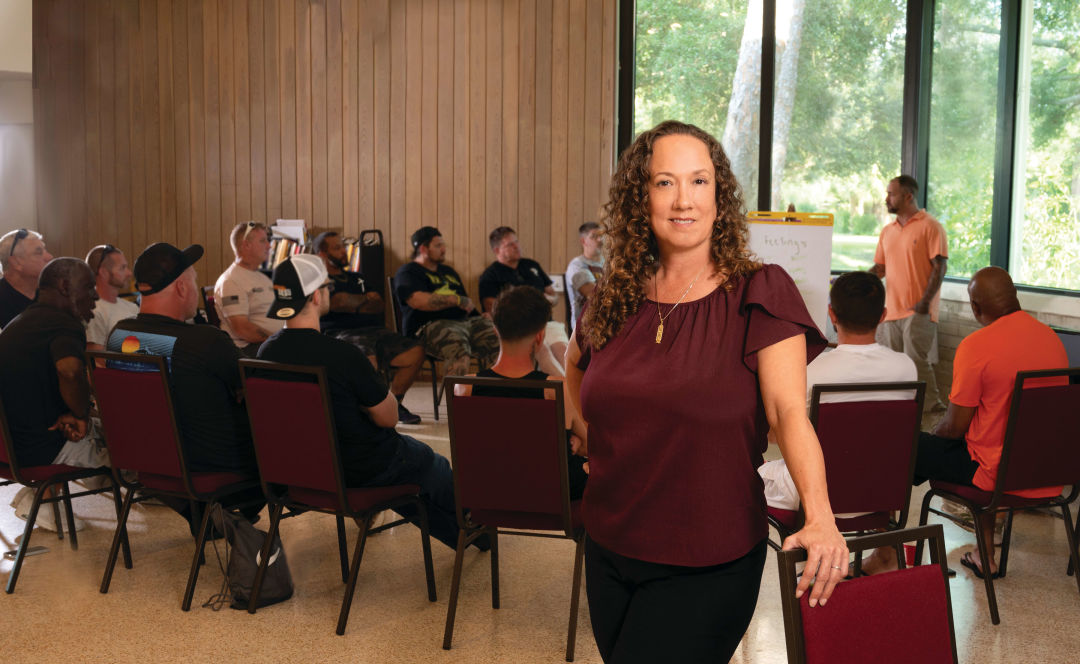
Image: Barbara Banks
Years before Antonia “Toni” Rolle became CEO of Project 180, she stood in front of hundreds of incarcerated men as part of her work with Goodwill Manasota, persuading them that their time in prison didn’t have to define the rest of their lives. Goodwill, she said, cared more about where the men wanted to go next, offering not only jobs, but one-on-one coaching and other reentry support services. “I could see them thinking, ‘Yeah, right, lady,’’’ Rolle recalls. “I felt the cynicism.”
So she did something unexpected, even to herself. Though she’d never spoken about it publicly—not even to the colleagues and community partners who stood beside her, including Barbara Richards, founding CEO of Project 180—Rolle shared her own story. In college, she lost her best friend and roommate to addiction. That same year, she was arrested on a felony drug charge and ended up in jail. Although she didn’t spend much time behind bars—and her successful completion of probation resulted in the dismissal of her case—she was kicked out of school and fired from her job. She petitioned to return to school, was accepted, and by graduation was mentoring juveniles on parole.
Her moment of vulnerability earned the trust of the men she’d come to encourage and convinced Richards that she’d found Project 180’s next leader. Since 2025, Rolle has led the organization in its mission to reintegrate formerly incarcerated individuals into the community. Each year, more than 30,000 people are released from Florida prisons. More than 140 released men have been through Project 180’s residential program since 2018, and hundreds of those still in prison have been served. Many are eager to build a conventional life but struggle to find housing, employment and stability, contributing to a recidivism rate of more than 76 percent within five years. Project 180 seeks to break this cycle by providing a residential program for individulas in recovery, workforce education and financial literacy classes for inmates, information and referrals for felons seeking housing and employment, and more.
Before judging someone else’s past, Rolle says we should ask ourselves a simple question: “Have we never done anything we’re ashamed of?” This interview has been edited for length and clarity.
What are some of the misconceptions people have about individuals who have been incarcerated?
“The more you learn about people’s trauma, the more you’re like, ‘What else did you expect to happen?’ I think anyone who understands drugs and alcohol understands that you can have someone with exceptional moral character who just gets stuck. We need a larger, trauma-informed, contextual understanding of the systems in place. The guys in our program were in foster care. They slipped through the cracks at school. When they’re children, we do everything we can for them, but once they’re adults, they’re on their own. They’re trying to do the right thing now. Let’s let them.”
Are there specific ways the reentry process is especially difficult in our community?
“One of the things that comes to mind is affordable housing. If you’ve done your time and you can’t find a place to live or a job, when do you stop being punished? When people leave our program, they’ve spent two years going to four [Alcoholics Anonymous] meetings a week. They’re volunteering, they’re sponsoring others and they can’t find a place to live. Nonprofits don’t want to be landlords. But sometimes, maybe, we need to. We exist to fill a gap in the community, right? To do things that aren’t being done. The government’s not making affordable housing. The voters aren’t making affordable housing. Our mission is to reduce incarceration. What’s to stop you from going back to jail or prison if you have nowhere to go? How do you have hope?”
Has there been a moment that’s really moved you during your time at Project 180?
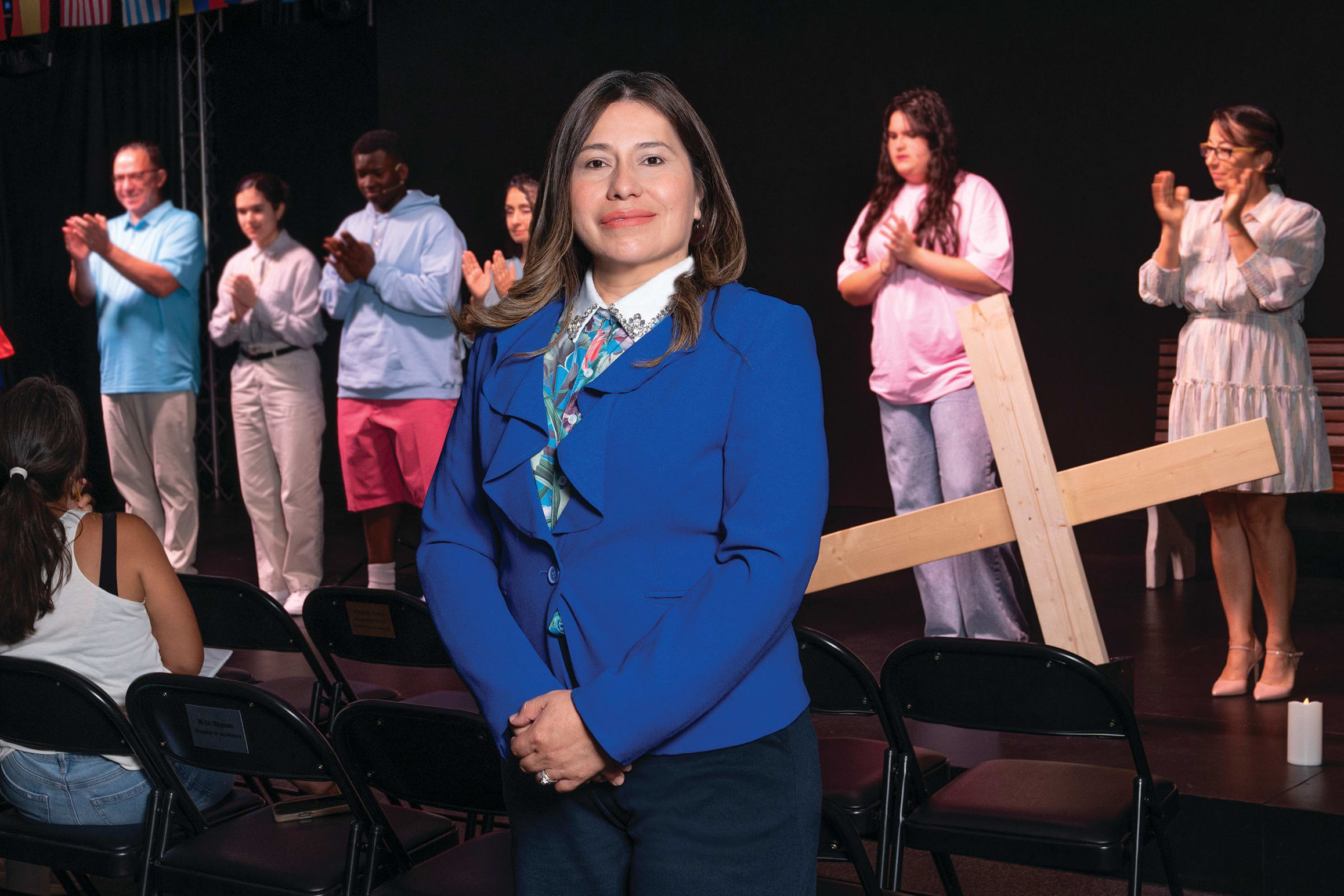
“Definitely our reentry simulation [an immersive exercise that invites community members to experience the first weeks after an individual’s release from prison into a single disorienting hour]. We interviewed [the citizens who participated] and heard how difficult it was for them. At the end, Seth Campbell [a program graduate turned director of residential and reentry services] asked if he could say something. He spoke to everyone about picking the guys up from the bus stop and taking them to us, and how difficult it is to do this work—and how it’s impossible without community support. We can’t reintegrate people into a community if the community isn’t showing up. We have a lot of great local support, but we still need volunteers, board members and businesses who want to sponsor events.”
How do you continue this work without becoming discouraged by the obstacles that seem to stand in the way?
“I taught Zumba for years, so I’ll literally go to Anytime Fitness at 10 p.m. and dance. It’s why I want to bring the guys to things like country line dancing or salsa. Breathing and stillness can be very triggering for people. You have to get out of your mind and into your body. We need mental, physical, spiritual, artistic health. We need so many things to be whole, complete people.”
Where does your sense of justice come from?
“My parents will tell you I’ve always been like this. My mom’s from the Philippines, and there weren’t any Filipinos where I’m from in Iowa. My mom looks white, but she was born and raised there. Once my grandma came to live with us, you would hear comments. I remember going home and asking my dad, ‘What does it mean that I’m not pure?’ I’ve always had this thing for the underdog, or for those who don’t feel like they were treated fairly.”
What’s ahead for Project 180?
“We launched our first-ever women’s house this year. We’re going to need to do some things differently and have different nonprofit and corporate partners. We’re also planning on launching a food truck called the Comeback Kitchen, which will offer hands-on work experience. A lot of these guys have really valuable talents; they’re amazing cooks but don’t have experience with scheduling, or they know flooring but not payroll, and [being part of] a business will help them gain a broader set of skills to supplement what they’re great at.”
Off the Cuff With Toni Rolle
What’s the most underrated place in Sarasota?
“Red Bug Slough Preserve! On a trail with my dog is my happy place.”

What movie do you never tire of?
“Annie. It’s been my favorite since I was four. Also, we had the same haircut.”
What emoji do you use the most?
“The smiley face.”
What’s your go-to karaoke song?
“If I ever actually get the courage, it would probably be ‘Soul Provider’ [Michael Bolton] or ‘Two Occasions’ [The Deele].”
This article is part of the series In Their Own Words, proudly presented by Gulf Coast Community Foundation.