


Inside Newtown’s Grassroots Push to Become a Trauma-Informed Neighborhood

Image: Courtesy Photo
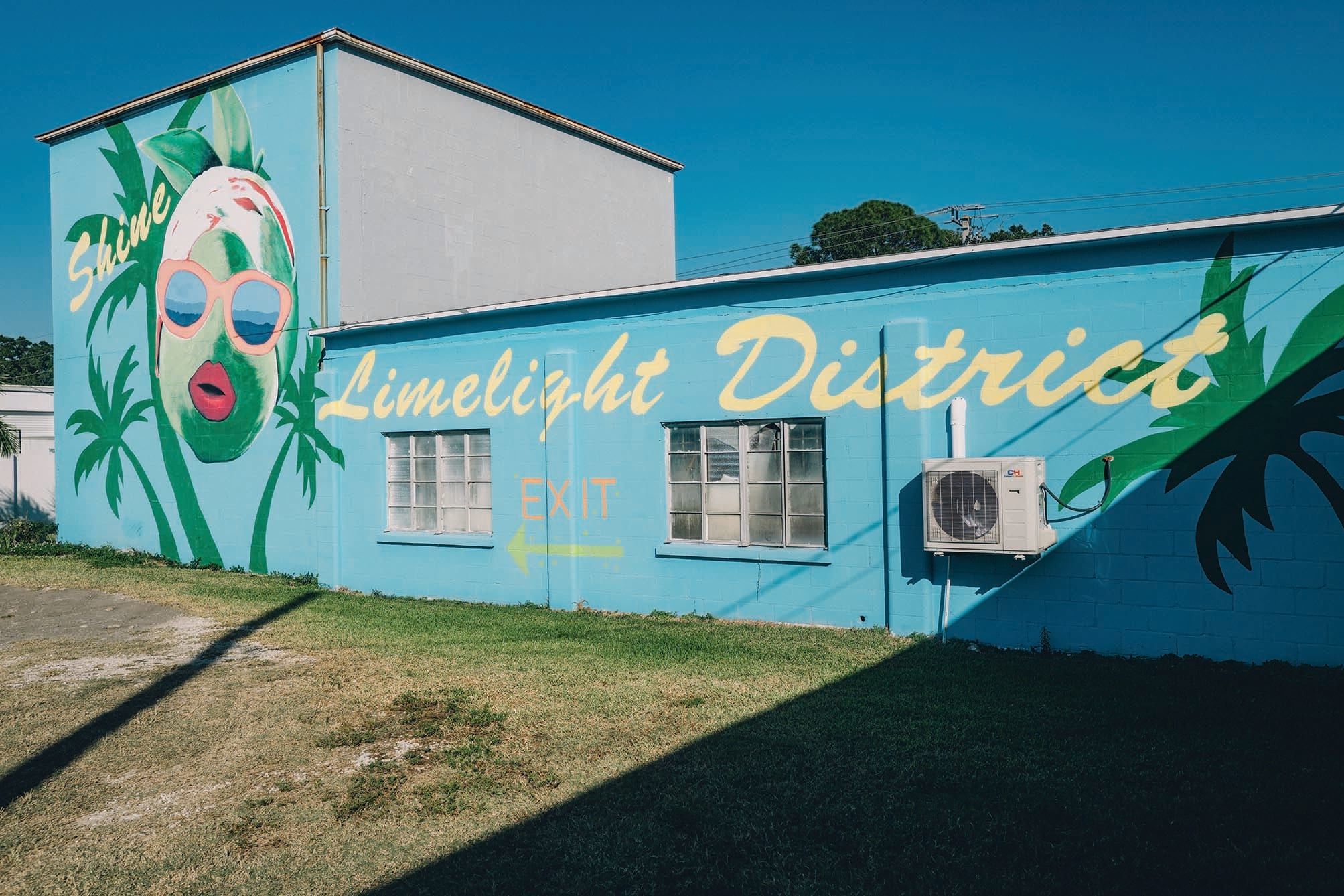
In the heart of Sarasota’s historically Black Newtown neighborhood, a quiet transformation is taking root. It’s not led by outside experts or public proclamations, but by neighborhood elders, retired nurses, nonprofit leaders and faith-rooted organizers, many of whom have lived in the community for generations.
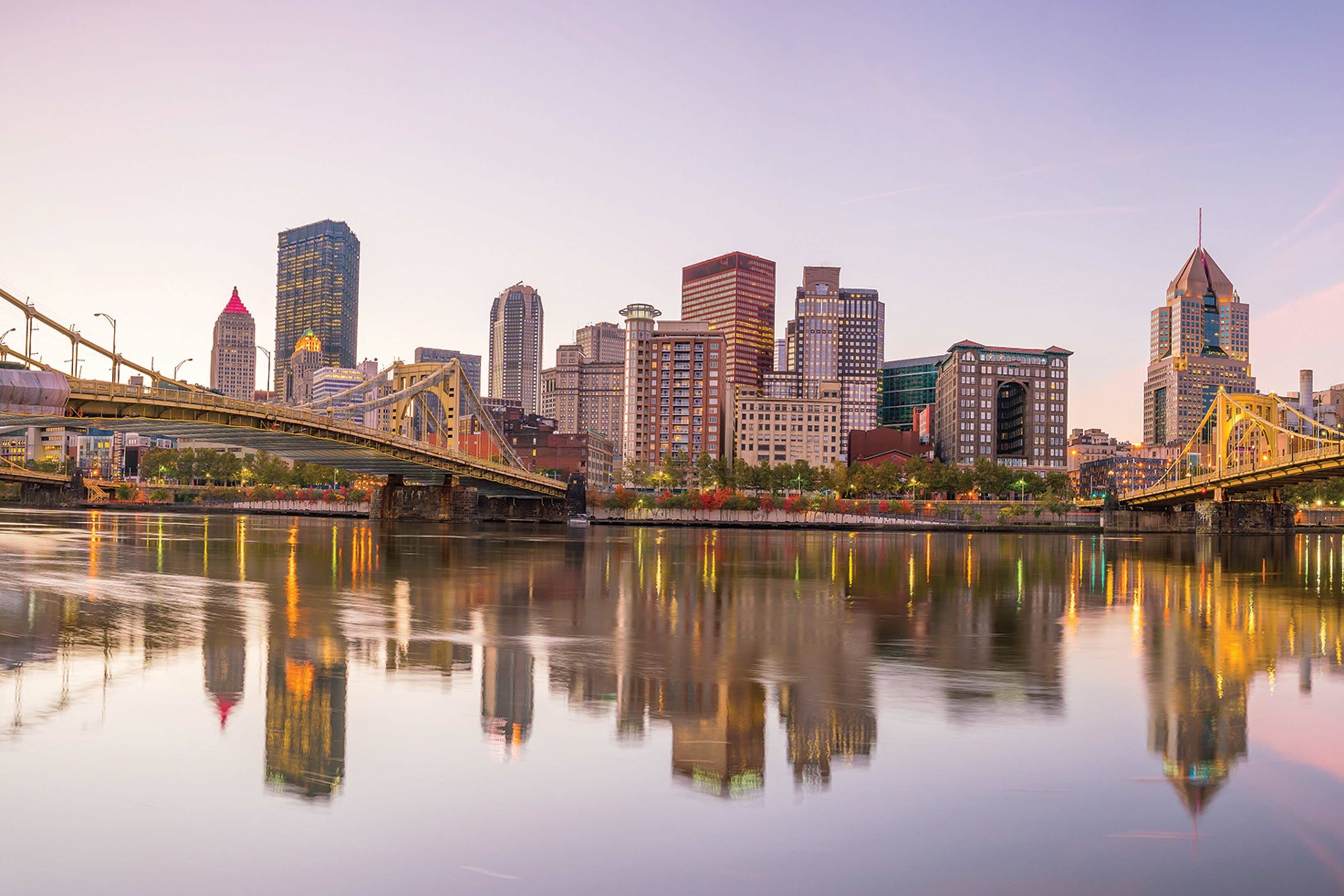
Through the Neighborhood Resilience Project (NRP), an initiative imported from Pittsburgh and adapted for our region, the community is organizing block by block, conversation by conversation, to make Newtown one of the nation’s first fully trauma-informed neighborhoods.
To be trauma-informed means to understand the impact of trauma on people and communities and to actively shape systems, relationships, and environments around that understanding. Rather than asking, “What’s wrong with you?,” a trauma-informed approach instead asks, “What happened to you?” and “What do you need to feel safe, connected, and empowered?” It acknowledges that trauma—whether from violence, poverty, systemic racism, or personal adversity—can affect learning, behavior, health, and relationships.
Newtown’s suitability for a trauma-informed community development model is rooted in both its origin and its ongoing relationship with the systems around it. In 1914, the neighborhood was platted as Sarasota’s second Black community, after Black residents were pushed out of Overtown—Sarasota’s original Black enclave near downtown, now known as the Rosemary District. In Newtown, residents built churches, schools and businesses in the face of segregation. That legacy of self-reliance has endured for generations, even as public investment has remained sporadic and uneven.
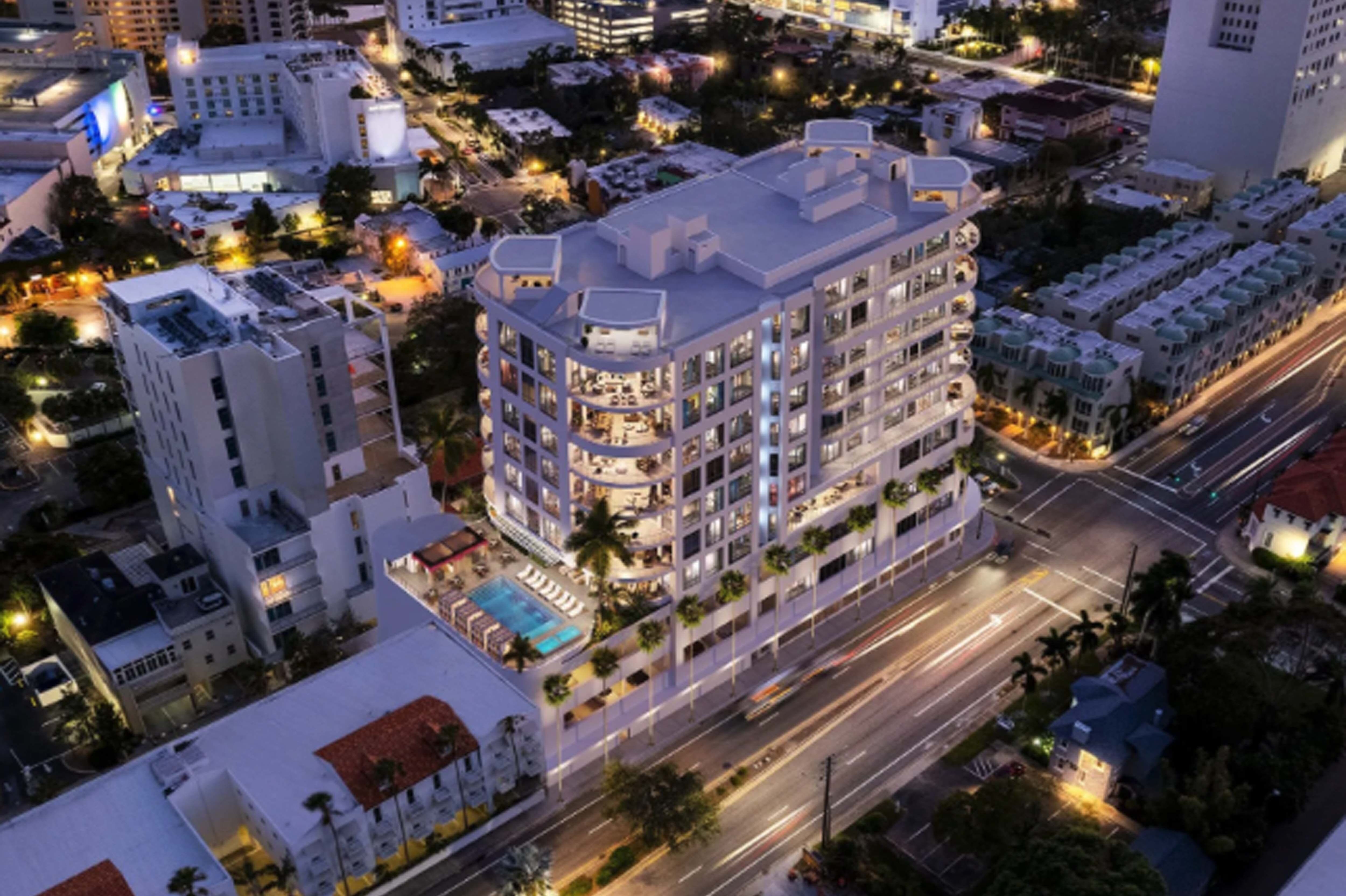
When Sarasota created the Newtown Community Redevelopment Area (CRA) in 2006, hopes for neighborhood revitalization rose. But the timing proved unfortunate: the CRA’s redevelopment plan was finalized in 2008, just as the Great Recession began. For years, the district struggled to generate tax-increment revenue, and many projects never advanced beyond paper. Meanwhile, Newtown continues to host the highest concentration of public housing in the county. Plans to redevelop sites like Bertha Mitchell Court into high-density units have sparked concerns that the area is once again being asked to absorb growth without the accompanying infrastructure, services or economic opportunity. Efforts to revitalize landmarks like Miss Susie’s Kitchen have stalled, and basic amenities—like a full grocery store or accessible health care—are lacking even as luxury development booms nearby.
Many residents agree that the imbalance isn’t incidental—it’s structural. And it’s exactly what the trauma-informed model seeks to address. Rather than layering new programs onto a legacy of exclusion, it begins with resident leadership and neighborhood-level trust. In Newtown, that means giving longtime residents not just a seat at the table, but the ability to organize their own blocks, define their own priorities, and build power from within. The proposed Newtown Family Center is one vehicle for that shift: not as a symbol of charity, but as a tool for structural correction, community healing, and a more equitable Sarasota.

Image: Courtesy Photo
The Neighborhood Resilience Project is led by Father Paul Abernathy, an Orthodox Christian priest who created a framework known as trauma-informed community development (TICD). It's gaining national traction.
The TICD approach centers on micro-communities—defined blocks or clusters of homes where a NRP-trained "Neighborhood Expert" builds relationships and helps residents identify priorities—anything from better neighborhood lighting to helping elders with transportation.
Each micro-community develops its own Health, Opportunity, Placemaking and Empowerment (HOPE) Plant. Problems are defined and addressed by the people living in the neighborhood. The process unfolds visibly, often with outdoor public gatherings to welcome in other neighbors.
NRP has trained cohorts in cities like Richmond, New Britain, and Columbus. In 2018, a small Sarasota team attended a training, including representatives from the arts, housing, education, and health sectors. They returned determined to bring the model to Florida.
One of Sarasota attendees was Andy Blanch, co-founder of SRQ Strong. “We realized if we were going to change the way we respond to trauma, it had to be owned by real people,” she says. “Could an entire community become trauma-informed? That was the question.”
The answer is now being tested in Newtown. Recently, SRQ Strong brought the full NRP training institute to Sarasota. Forty-nine people completed the training, among them 23 residents of Newtown who are Neighborhood Experts.
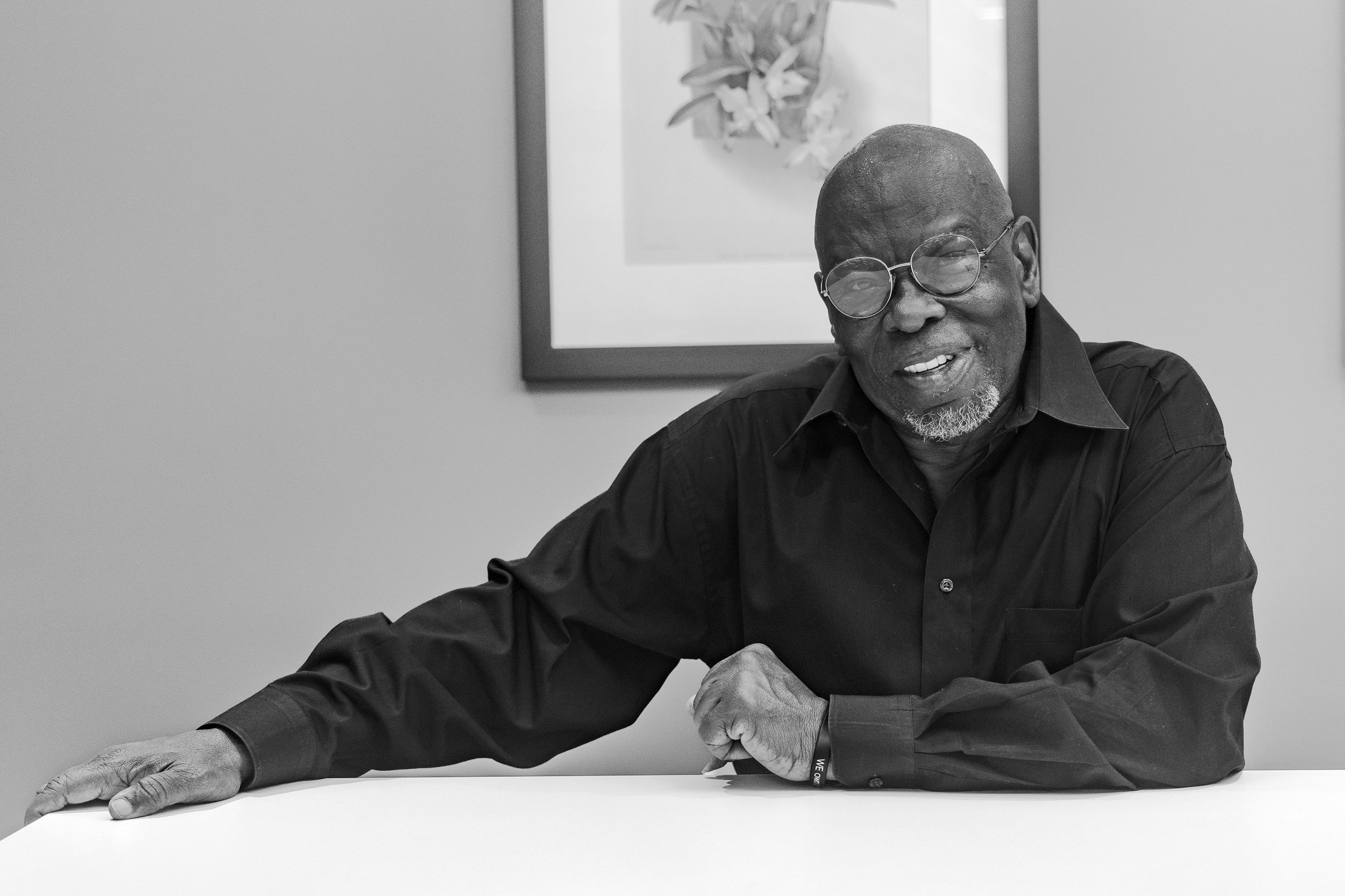
Pastor Josephine Thomas, a 77-year-old retired nurse and longtime Newtown resident, was one of them. “[Newtown] is trauma-affected—but we don’t want to be just that,” she says. “This can be applied to any neighborhood. We need to go from affected to healing.”
For Thomas, the training offered something more intimate than just instruction—it modeled connection. “It’s amazing what you find out from a person in a one-on-one [conversation],” she says. “You end up talking about things that really matter.” Using the TICD method, trainees explored safety, family roles and belonging. “We talked about where we were in our families—who’s raising kids, who’s caring for aging parents, even sibling rivalry," Thomas says. "You find the commonalities. That’s what makes us resilient.”
In Pittsburgh and Columbus, Ohio, Abernathy’s team has paired this approach with a tool called "imHealthy", co-developed with the University of Pittsburgh. It tracks five dimensions of wellness—physical, mental, social, spiritual and financial—at the individual level, and aggregates data across blocks and neighborhoods to show patterns of growth. “You can’t get this kind of data at the micro-level any other way,” Abernathy says.
Implementation of the assessment in Sarasota is expected to begin this fall as Neighborhood Experts shift into paid, part-time roles. Each will serve roughly 10 hours a week for five months as part of SRQ Strong’s rollout of the program. Future phases will depend on the outcome of the pilot.
The approach is already informing the vision for a proposed Newtown Family Center on Leonard Reid Avenue. Rather than simply replicating existing services, the center is being designed as a responsive, community led hub, rooted in the same trauma-informed principles taking hold through SRQ Strong and the NRP. As Sarasota’s skyline continues to climb and billions are poured into cultural and luxury development, meaningful investment in Newtown has lagged behind. The Family Center represents a chance to rebalance that dynamic—to invest in people as deliberately as in buildings, and to ensure that Newtown’s future is shaped not by outsiders, but by the residents who have sustained it for generations.
For Abernathy, the goal is not simply a new building or a renamed program. “Success won’t be characterized by a facility,” he says. “It’s when we see healing—not just in individuals, but across the community. That’s resilience.”
Thomas puts it more plainly. “We already have people doing this," she says. "We’ve had these roles in our families forever—we just never called them experts.”
To skeptics, she extends an invitation and cites results in Pittsburgh and other cities. "Come to our next meeting,” she says, citing Pittsburgh’s experience, where the Neighborhood Resilience Project deployed trauma response teams more than 60 times and continues to lead a county-wide violence-reduction initiative rooted in trauma-informed community development. "Any change is worth checking out if it could make things better for the next generation."
Abernathy echoes that hope. “Newtown is a shining light—not just for Sarasota, but for the country," he says. "It contributes to the richness of the American soul.”
Click here to stay updated on workshops, event and information.