






The Jetsons Don't Have Anything on Today's in-Home Tech

Image: Courtesy Photo
Rosie the Robot, take note. You’re being replaced—by Josh.
“A typical command from one of our clients might be, ‘Hey, Josh, turn the kitchen lights on, lower the shades in the family room and adjust the thermostat to 73,’” says Mark Bolduc, the president and founder of Sarasota’s Wicked Smart Homes.
The “Josh” in this scenario is a voice-activated system from Denver-based smart home company Josh.ai. It can light a room with pre-programmed brightness and color, close blinds over nearby windows, and cool or heat a space to the exact temperature the homeowners prefer.
Josh is just a sliver of state-of-the-art in-home systems. Today’s homeowners want to enhance entertainment, recreation, sound and music, lighting, HVAC, security, and physical and mental well-being.
Mark van den Broek, CEO of Sarasota’s SmartHouse Integration, says he’s getting requests for circadian, or “human-centric,” lighting, which many people believe improves health and wellness by mimicking the natural sunlight humans lived with for eons. “I tell people, ‘We’re going back to Cro-Magnon times,’” he says. “When the sun comes up over the horizon, the lamps start warm and then get brighter and the light moves overhead. Then, as the day goes on, they start to dim, and by nine at night, melatonin is being produced by the gallon.”

Image: Courtesy Photo
Another popular smart home technology is micro-LED video walls. Made up of individual, high-definition modules that can be snapped together in endless configurations, walls become giant, theater-like screens that allow you to view shows, movies and video games, or to watch multiple offerings, like sports games, all at once.
“You can have [the TV configuration] on your iPad or your phone, and you could put up all the football games on the right side and swipe the audio from one to the other,” explains Van den Broek. “You can watch movies in different formats. You can bring up all the [surveillance] cameras for your house on the screen.”
For one client, SmartHouse Integration installed this micro-LED video technology on a wood slat wall, so that the screen was flush with the wall’s surface. Van den Broek then programmed a photograph of the original wall as the default image on the screen. When the homeowners weren’t watching television, the video wall just looked like any other wall.
While existing homes can be retrofitted with smart technology, it’s tricky. Bolduc says that the majority of his work is in luxury new construction. That way, the general contractor, interior designer, electricians and other skilled tradespeople can coordinate the best, most logical and even most energy-efficient integrations of their client’s wishes.
The biggest mistake is “lack of proper planning,” he says. “Engaging us when the house is almost finished is a problem. We are a part of the design team. A lot of the technology is touching different trades, and these decisions have a real impact on the home.”
Automation is also key, says Kel Phillips, a Sarasota-based project coordinator with Miami home automation company IOTY. “Automation takes a table full of remotes and a phone full of apps and turns it into one system,” she says.
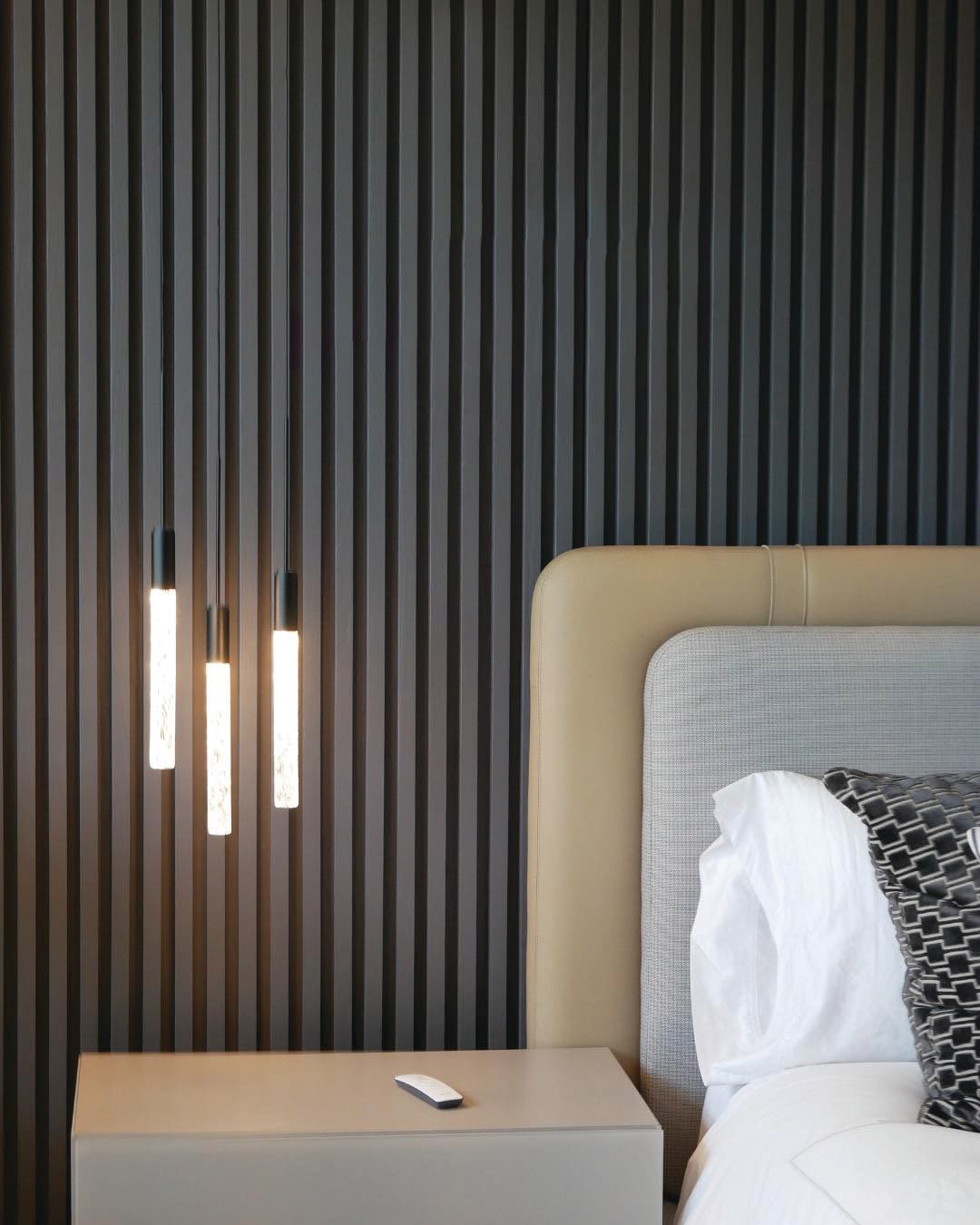
Image: Courtesy Photo
Good, personalized smart home programming reduces the number of buttons pushed or steps needed to achieve your desired home environment. So rather than giving Josh multiple commands, you can just say “movie,” and the system will dim the lights, lower the blinds, and turn on your home entertainment system, automatically.
While these types of bells and whistles drive sales, and rightly so, Phillips says it’s important to remember that the real magic—and expense—lies in purchasing an adequate network and programming it properly. “When you ask someone to show you the ‘control system,’ they’ll show you the user interface,” she says. “You don’t necessarily know about the racks and racks of gear [that power it]. You don’t realize how expensive it’s going to be or how much space you need. Someone might sell you a feature, but they won’t tell you it’s another $30,000 for the programming.”
Plus, she adds, it’s not a forever investment. “Automation is technology, and technology gets outdated,” says Phillips.

Image: Courtesy Photo
Alternately, as technologies evolve, many smart devices can be purchased retail and set up by the users themselves. Universal remotes and doorbell cameras are now ubiquitous, and neither require a special technician to program them. But the levels of automation and integration possible today aren’t achieved through a simple “plug and play” process. The larger the home, the more complicated it’s going to be.
“People say, ‘I want simple,’ says Phillips. “It’s a 20,000-square-foot home. You’re not going to get simple.”
The hope, however, is that if your home is smart, your lifestyle will be simple—or at least simpler.


