





Mosquito-Borne Illnesses Are On the Rise
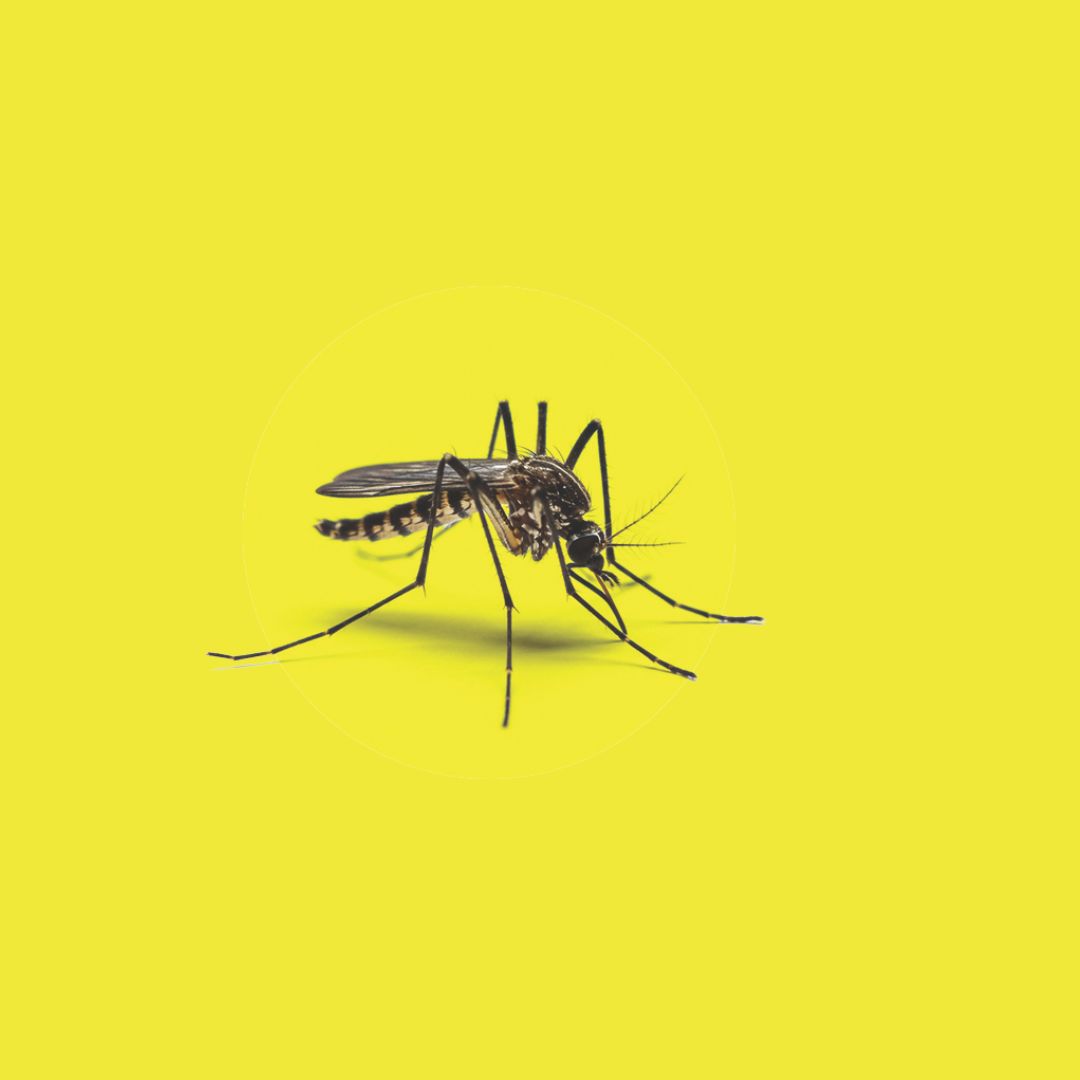
Image: Hakagraph/Shutterstock.com
Three counties in Florida—Hillsborough, Pasco and Pinellas—are under a state of emergency due to dengue, one of the state’s largest surges—785 cases as of Oct. 22— in decades. Dengue is a virus primarily spread through mosquito bites of infected Aedes species mosquitoes, which can be found in our region. A serious case of dengue in a Sarasota hospice nurse last month has not been recorded as locally transmitted, according to a report from Suncoast Searchlight, although the patient, who was hospitalized for five days, is questioning that conclusion and thinks she contracted the disease in Sarasota County. Most people who contract dengue don’t get sick, although some cases can be fatal. Telltale symptoms include fever, body aches, nausea, vomiting and a rash.
Meanwhile, a mosquito-borne illness advisory has also been issued by the Florida Department of Health (DOH) Sarasota office after a confirmed case of West Nile virus. This virus is usually transmitted among birds, animals and humans by infected mosquitos. The symptoms are similar to dengue, and while most people show no symptoms or only mild discomfort, some cases can result in hospitalization and death. In this case, DOH officials concluded that the disease had been acquired locally and not during travel.
“West Nile is a disease that is always present in Florida,” says Michael Drennon, director of Disease Control and Health Protection for the DOH-Sarasota. “Most people who get exposed don’t show any symptoms, but the disease is here in the mosquito and bird populations all the time.”
Healthcare providers are required to report to the DOH if they suspect certain illnesses, including dengue, West Nile and malaria. If the case is reported locally, DOH-Sarasota then works with Sarasota County Mosquito Management to help mitigate the risk of further spread.
The range a mosquito covers during its lifetime can vary by species, but many rarely travel more than a mile from where they hatch, and some never go more than 100 yards. Instead, these diseases spread due to infected humans unwittingly bringing them to an area and getting bitten again, therefore putting others nearby at risk. And in cases of West Nile, infected birds can also be the culprits.
“The vast majority of these [cases] are travel-associated. That’s why we work with mosquito management and the reason we communicate so rapidly,” says Drennon. “Lots of people travel to Caribbean and to South America, and these diseases are much more common there.”
To reduce the risk of acquiring and spreading mosquito-borne illnesses, the Florida DOH prescribes “Drain and Cover”: draining pooled water on your property and covering your arms and legs when outside.
“A bottle cap from a two-liter bottle can hold enough water to be a source of mosquitoes,” says Drennon. “Tires can hold water, bottle caps, tarps covering boats and lawn equipment, bromeliads and other plants—those are all mosquito sources. After that, covering. Wearing long sleeves and long pants. I know, it’s Florida, but covering reduces bites.”
How to Prevent the Spread of Mosquito-Borne Illness
Drain
Eliminate pooled water on your property. Mosquitoes can procreate in less than a tablespoon of water.
Cover
Wear long sleeves and long pants whenever possible. Less exposed skin means fewer bites.
Repel
Use insect repellant. Read the label to ensure safe application.
Restrict
Make sure doors and windows are well sealed and any holes in screens have been repaired. Mosquitoes aren’t afraid to come inside.
More information for reducing mosquito-borne illnesses can be found via the Florida Department of Health website here.