







Saunas, Stem Cell Treatments, Proteinmaxxing and More Are Popular, but Do They Help Us Live a Longer Life?
Sweat Equity
The Case for Saunas
As a thermal evangelist, I’m a proponent of sweating in saunas. Perspiration is literally in our DNA. It gave us the edge during our hunter-gathering days, when we ran our prey to exhaustion and our sweat would cool us down. Thousands of years later, cultures all over the world discovered advantages of sweating that had nothing to do with keeping cool. Archaeologists have discovered 10,000-year-old stone-filled holes, heated by campfires and used for spiritual purposes. In the U.S., Native Americans have used sweat lodges for thousands of years for healing mind, body and spirit.

Image: Everett Dennison
So it’s always seemed odd that in contemporary America—aside from the hippies and other tradition-hopping spiritual seekers who co-opted sweat lodge rituals—no bathhouse culture existed. There are banyas in Russia, onsens in Japan, temazcales in Mexico, hammams in Turkey and saunas in Finland, but modern day communal sweating in the U.S. has been curiously absent—until recently.
Over the past several years, saunas have become increasingly popular across the country in wellness and longevity clinics and in fitness centers. Health evangelists and self-styled experts like power influencer Joe Rogan gush about their love for saunas on podcasts. Spa franchises offer hourly sauna appointments. Home infrared saunas (they use infrared light waves rather than heating surrounding air) range from $1,000 to $10,000 are widely marketed on Amazon. The Silicon Valley techno-health culture has also marketed saunas as an optimization life hack. You can be the best, most productive version of yourself if you sauna at precisely 185 degrees for 20 minutes seven days a week—especially if you pair it with a cold plunge. Cities are now hosting sauna festivals.
Does that mean America has finally (re)discovered the benefits of communal sweat bathing? Or is it just another health trend that will gather dust?
Since I rely on my daily shvitz at my local YMCA, I am happy to learn that more people are following the gospel of the baths. But are the individual, health-obsessed practices coming out of American saunas missing their main benefit?
There is scientific evidence—for example, from a peer-reviewed 2023 report of a 20-year Finnish study highlighted in Mayo Clinic Proceedings—that “Finnish sauna bathing is linked with reduced incidence of vascular and non-vascular diseases.” The report goes on to list the practice’s beneficial impact on hypertension, cardiovascular disease, dementia, respiratory conditions and improvements in immune function and increased lifespan.
But turning saunas into the latest health trend that can solve all the problems that come with living in modern industrial society misses the best part of bathhouses—having a good time with your friends. The best way to ward off Alzheimer’s disease and dementia isn’t cooking yourself in a wooden box. It’s hanging out with other people in real life and talking to strangers. That’s why my favorite place to sauna while communing in Sarasota is the YMCA. It might not be as hot as I like, and it might have a funny smell from time to time, but I have made many good friends there.
If you prefer the benefits of sweaty socializing, and would prefer your company to be more exclusive, mobile sauna companies will deliver a temporary bathhouse straight to your front door. I tried two of them.
Limitless Wellness, out of Lakewood Ranch, drops off and props up a sauna tent with a wood-fired stove and an inflatable cold plunge that dips to 39 degrees. The rental starts at $275 per night.
The eight-person tent can fit five short people (I’m 6-feet, 3-inches, so didn’t qualify) comfortably. I invited 10 friends, men and women. We wore what we’d wear to the beach, old shorts and swimsuits. We squeezed into the tent, sitting on beach chairs and cinder blocks in front of a wood-fire stove and talked. One of the benefits of saunas is that you can’t have your phone on you, so everyone is present. There is no thermometer, so you have to guess how hot it is. You have to trust your body when it tells you you’ve had enough.
At night, the only light comes from the glow of the wood-fire stove, so keep some sort of lighting available when you emerge. The inflatable cold plunge—about as wide as a city trash can—was sitting right outside the tent flap. I highly recommend it after you cook.

Image: Manny Rangel
I also tried a 14-foot enclosed trailer that a Russian man named Oleg dropped off at my sister’s front doorstep for $300 per night. The company doesn’t have a name, just a website, mobilesaunafl.com, written mostly in Cyrillic, but Oleg speaks perfect English, so just call him. The all-cedar sauna arrived on a trailer behind his truck, and the stove was already red-hot. Half the trailer is a well-lit changing room; the other half is a moody sauna big enough for six people.
A dozen of my friends and family took part, taking turns baking in the heat, and we kept the fire going until around one in the morning. There’s something about the heat that wears down people’s walls, and everybody gets silly and happy. It’s hard to be mad or moody in 190-degree wet heat.
If you want to have a true bathhouse experience, this mobile sauna is your best bet. It is tall enough to stand in, has a cedar smell and you can hear the hiss of the rocks when you throw cold water on the stove. Oleg will even provide with you a venik (a bundle of dried oat branches—an Eastern European sauna ritual) with which to beat yourself and your friends.
While these were fun, and my friends and family loved hanging out and sweating and then plunging into my sister’s icy cold pool in February, I won’t be giving up the YMCA. You will find fancier spas than the Y (a new place, Pause Studio, which offers IV drips of micronutrients straight into your veins after you “detox” from your 30-minute sauna session, just opened in downtown Sarasota), but I prefer to end my hours of sweating at the old Y with an ice cold beer.
No matter what, you don’t need a doctor or data to tell you that hanging out with friends and laughing feels good. Maybe this is what those earlier societies understood 10,000 years ago. —Isaac Eger
Wearable World
Digital Health Devices
Wearables—digital health devices worn on the body—measure almost everything we do these days. The Apple Watch, Fitbit, Oura rings, Smart earrings, Ray-Ban’s Meta glasses, EEG headbands and clothing make it possible to track REM sleep, daily steps taken, heart rate, blood glucose, even mood, bowel movements and menstrual cycles. But do these tools help us live longer and better?
Sarasota cardiologist Dr. Chippy Nalluri welcomes patients interested in taking more control of their health outside the patient-doctor relationship. “As a physician, I am optimistic and encouraged by the public’s ability to monitor their own health metrics,” she says.
Wearables have value. Patients have come to her because an Apple Watch signaled atrial fibrillation. Sleep trackers show how long someone sleeps (although they aren’t good at diagnosing sleep disorders), she says. Continuous glucose monitoring can provide evidence that behavioral changes such as fitness, food intake and sleep impact blood sugar fluctuations. A movement tracker can help with cardiovascular fitness.
But keep it in check. Pay attention if your wearables are making you obsess, over-test and overuse medical care. “The strongest impact is if the data can motivate an individual to optimize lifestyle,” Nalluri says. “Before a person invests in wearable technology, the individual has to ask: ‘What am I looking for? How will this help me?’ If there is a directed purpose, then I think the technology is quite useful—with the understanding that it cannot replace medical-grade devices or validated testing protocols.” —Susan Burns
Weighted Walking
Rucking
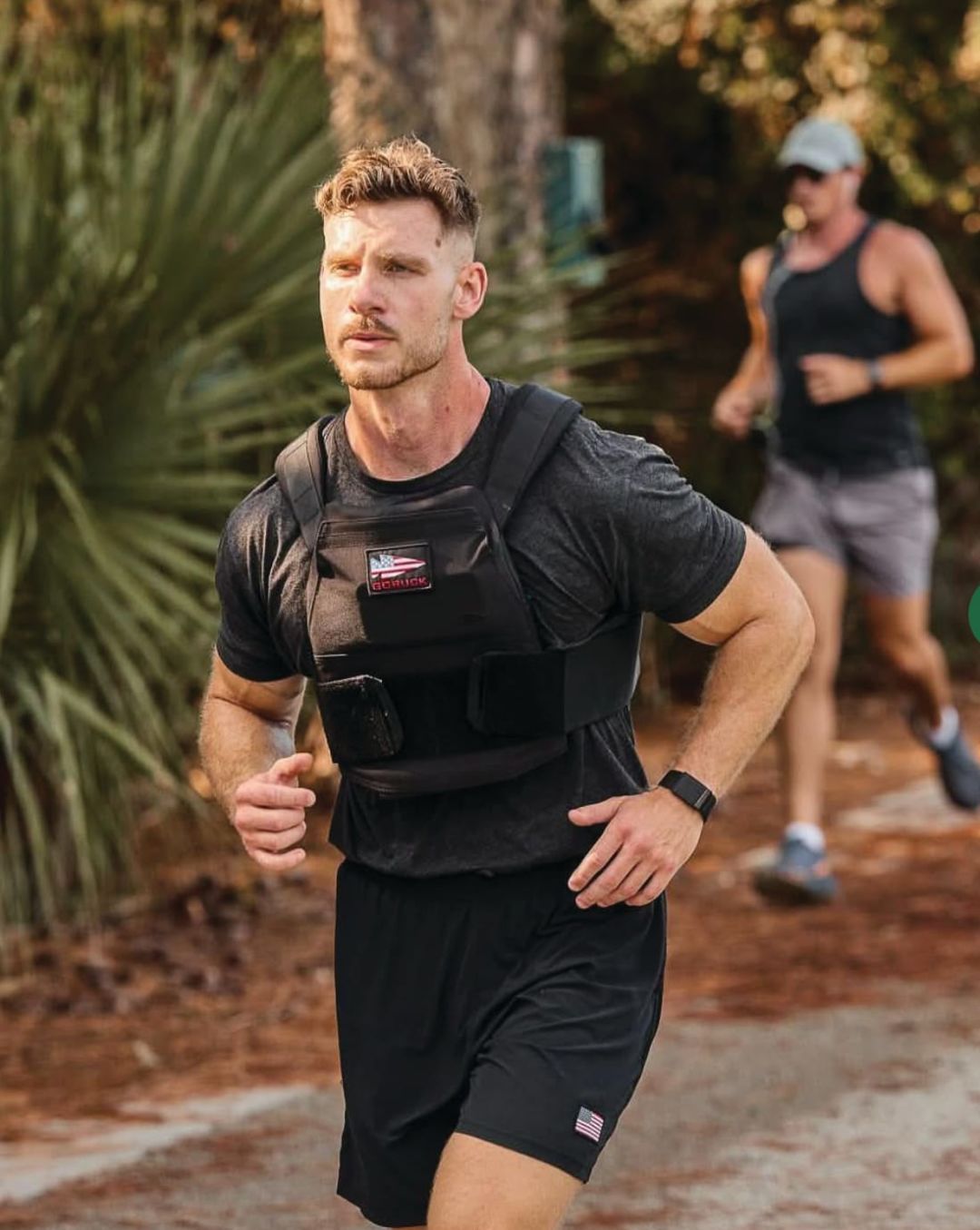
Image: Courtesy Photo
Rucking—walking with a weighted backpack—has come a long way from its origins in military training to the suburban morning routine. Dr. Regi Bastien of SRQ Sports Rehab says, “It’s a great tool in the toolbox.” He explains the added load bumps you into a moderate-intensity cardio sweet spot, boosting muscular endurance and heart health with less joint strain than running—especially helpful if you’re easing back from injury. Done right, with a reasonable weight and proper posture, it’s a low-risk and sustainable way to build resilience and burn a little extra on your daily walk. “It doesn’t replace progressive overload strength training,” Bastien says, but it certainly earns its keep.—Kendall Southworth
SHAKE IT UP
Whole Body Vibration Therapy
Whole body vibration therapy is shaking up the wellness industry with claims that it can help prevent osteoporosis, aid weight loss, improve flexibility, increase blood flow and decrease cortisol, a stress hormone that regulates the body’s fight-or-flight response. (In Sarasota, it’s offered at Fyzical Therapy and Balance Centers and On the Go Physical Therapy.) Patients sit, stand or lay down on a machine with a vibrating platform; as the device moves, the energy from the vibrations forces muscles to contract and relax multiple times per second, making you feel like you’re exercising. But is it actually good for you? And can it replace standard forms of exercise? The short answer is maybe. According to the Mayo Clinic, some research shows that whole body vibration therapy—when performed correctly and supervised by a physician—can help increase strength and balance in seniors, decrease back pain and, yes, reduce bone loss that leads to osteoporosis. But experts are quick to say it’s not a replacement for the age-old keys to a healthy life: a good diet that’s full of fruits and veggies and aerobic and strength-training exercises. —Megan McDonald
Protein Obsession
Proteinmaxxing

Image: Rancio/Shutterstock.com
Proteinmaxxing—the internet’s term for aggressively optimizing protein intake—has real science behind it, but it quickly tips into excess. “It’s an example of a trend that starts from a solid idea but gets pushed to the extreme,” says Mikka Ipri, a registered dietitian nutritionist and Sarasota Memorial Health’s Renew Program Coordinator. “Protein does matter, especially for maintaining muscle mass, which is one of the strongest predictors of how well we age. But the goal is to get enough to support muscle and overall health, not to eat as much as humanly possible.”
Current dietary guidelines suggest roughly 1.2 to 1.6 grams of protein per kilogram of body weight per day—about 20 to 40 grams per meal for the average adult. “Many adults would do well to make sure they aren’t undereating this amount to cover muscle maintenance, metabolism and recovery needs,” Ipri explains, “but going far beyond that can crowd out other nutrients that are equally important for longevity.”
Plus, protein-packed doesn’t automatically mean healthy. A boxed, high-protein mac and cheese is still ultra-processed. Diets high in ultra-processed foods are consistently linked to poorer health outcomes, regardless of protein content. Ipri says the goal is to prioritize real protein-rich foods like beans, eggs, dairy, fish, poultry and meat that come with additional benefits.
“Powders and bars have a time and place, too,” says Ipri. “But a more effective longevity strategy is to prioritize both protein and fiber within a less processed diet. Most Americans fall short on fiber, despite its critical role in gut health, heart health and blood sugar regulation. Together, they’re a powerful combination for metabolic health, muscle maintenance and disease prevention.” —Kendall Southworth
Healing Cells
Stem Cell Therapy
Stem cell therapy for a host of ailments is on the rise in the U.S., and people even fly to Mexico, Europe, the Middle East and elsewhere for lower-cost procedures—many of them unregulated and unproven. The Mayo Clinic describes stem cells as “the body’s master cells.” These cells self-renew and generate other types of cells, and they show promise for treating different diseases and conditions, such as arthritis, cardiovascular repair, neurological disorders and blood-related cancers, according to Mayo.
But stem cell therapies come with caveats. Leaving aside embryonic stem cells (cells from embryos that are three to five days old), since their use is ethically controversial, what should patients ask about other stem cell therapies, which can cost into the tens of thousands of dollars for a treatment?
Dr. William F. Bennett, a board-certified orthopedic surgeon in Sarasota, has done
at least 1,000 stem cell procedures, mostly for shoulder and knee injuries, by using
bone marrow adult stem cells from the back of a patient’s pelvic bone, putting them in a centrifuge concentration and then injecting the patient’s live cells back into the area that is a problem. “People who are advertising stem cells, 90 percent of the time, aren’t [using] stem cells,” he says. “They’re [using] ground up birth tissue, which might have stem cells in it, but it’s not a stem cell procedure.”
The bottom line: Authorities say patients seeking stem cell treatment outside a university setting should ask providers about their credentials and FDA approvals. Evidence matters. —Susan Burns
Personal Health Mapping
Biomarker Testing

Image: S K Chavan/Shutterstock.com
Biomarker testing has become the wellness world’s crystal ball—but not all signals are created equal. At its foundation, it includes standard blood panels that track cholesterol, glucose, inflammation markers and hormone levels—metrics physicians have long used to assess risk and guide care. Dr. Christopher Davis of Reveal Vitality in Sarasota calls biomarkers the backbone of a “precision, root-cause approach to cardiometabolic and longevity care.” Newer tools—from cardiopulmonary exercise testing to genomic profiling—offer a more dynamic picture. “Rather than reacting to disease,” Davis says, “we use biomarkers to identify risk trajectories and personalize targeted interventions.”
Online, meanwhile, a growing number of direct-to-consumer companies promise to estimate your “biological age” or analyze your gut microbiome from at-home samples. But many physicians say these tests are often unregulated, inconsistently validated and limited in actionable value. In a 2026 study, scientists sent the same sample to seven different microbiome testing companies and got wildly different results. In the right hands, biomarkers are “actionable intelligence guiding patients toward measurable, sustainable longevity outcomes,” Davis says. In the meantime, the gold standard remains clinician-guided testing, tracked over time and paired with the basics: sleep, movement, nutrition and stress management. —Kendall Southworth
Pep in Your Step
Peptide Therapy
Peptide therapy refers to the use of short chains of amino acids—essentially small proteins—that alert the body that it’s time to perform specific biological processes, like regulating immune function and hormones and growing certain types of cells. Wellness clinics and longevity practices have begun promoting peptide usage, often taken via injection, for myriad conditions, including fat loss, muscle growth, injury recovery, improved sleep, immune support and anti-aging. “The difference between those who age gracefully and those who struggle isn’t genetics; it’s the decisions they make today,” says Dr. Max MacCloud, an osteopathic physician at the Age Reversal Technology Center in Lakewood Ranch and a proponent of peptide use. “Every day you wait [to make a longevity-related decision about your health] is another day of cellular decline that could be reversed.”
However, the science on peptide effectiveness is mixed. Some peptides are backed by strong evidence and regulatory approval, while many marketed in wellness settings are synthetic and considered experimental. The U.S. Food and Drug Administration has approved only a small number of peptide medications, like insulin or semaglutide, the active ingredient in GLP-1s, for specific medical conditions. But outside those uses, research is still limited, often consisting of small studies or early clinical trials, and tested on animals or in labs, not humans, and organizations like the Mayo Clinic note that the benefits and long-term safety of many popular peptides remain uncertain. —Lauren Jackson
Seeing Red?
Red Light Therapy

Red light therapy uses low-level wavelengths of red and near-infrared light to stimulate cellular activity. Originally studied for use in wound healing and pain relief, it’s now widely promoted in wellness and skincare for anti-aging, muscle recovery, hair growth and mood support with treatments delivered through panels, masks or handheld devices that expose the skin to specific light wavelengths over (usually around 10-minute) short sessions.
Red light therapy interacts with our cells’ mitochondria, sometimes called the powerhouse of the cell; researchers believe certain wavelengths may boost cellular energy, reduce inflammation and improve blood flow, which may support collagen production, speed tissue repair, and ease joint or muscle discomfort—claims that have fueled its popularity in gyms and spas.
The science behind red light therapy is promising but uneven. There is credible evidence supporting its use for skin health, wound healing and some types of pain, and the U.S. Food and Drug Administration has cleared certain red light devices for cosmetic skin treatments and pain relief. However, major medical centers such as the Cleveland Clinic emphasize that many claims—especially around fat loss, depression and full-body “anti-aging”—still need larger, long-term studies.
Overall, red light therapy sits between established treatment and wellness trend. It’s safe for most people when used properly, but experts recommend realistic expectations for specific conditions. —Lauren Jackson
No. 10
The Wide, Wild World of GLP-1s
GLP-1 Argonists

Image: Edugrafo/Shutterstock.com
Unless you’ve been lucky enough to avoid the news for the last few years—in which case, your cortisol levels should be thanking you—you’ve probably heard all about GLP-1 argonists. The drugs, which have historically been used to treat Type 2 diabetes, mimic the body’s naturally occurring GLP-1 hormone, which helps manage blood sugar; slow the emptying of the stomach so the body releases less glucose, or sugar, from food into the bloodstream; and tap into the areas of the brain that affect how full you feel after eating, altering appetite and feelings of satiety. Because of that, people taking GLP-1 argonists often report significant weight loss over a short period of time. That—coupled with the FDA approval of new GLP-1 argonists like Ozempic and Wegovy, plus similar treatments like Mounjaro and Zepbound—quickly ignited a media firestorm, with people clamoring for prescriptions so they could drop unwanted weight. (If your favorite celebrity recently lost 40 pounds in a few months but claims it’s due to hikes and salads, they may actually be on a GLP-1.) And there may be even more uses out there.
“Clinical trials are underway to help us understand the full potential of this class of medications,” says Dr. Jessica Betancourt, an endocrinologist with Sarasota’s First Physicians Group. “We are seeing improved cardiovascular outcomes, normalized blood pressure, and better management of obesity-related conditions like sleep apnea. But as clinicians, it's important to emphasize that GLP-1s are not a quick fix—and should not be approached casually or outside a clinical setting.” The drugs are not without side effects—common ones include nausea, stomach pain, diarrhea and constipation, plus the muscle loss that comes with rapid weight loss. “As demand grows, it’s critical to ensure these medications are used appropriately, with ongoing monitoring and follow-up,” Betancourt says, “always within a comprehensive care plan to manage side effects and ensure rapid weight loss does not lead to other health challenges.” —Megan McDonald