




Mote Reports Record Sea Turtle Nesting Numbers for 2025
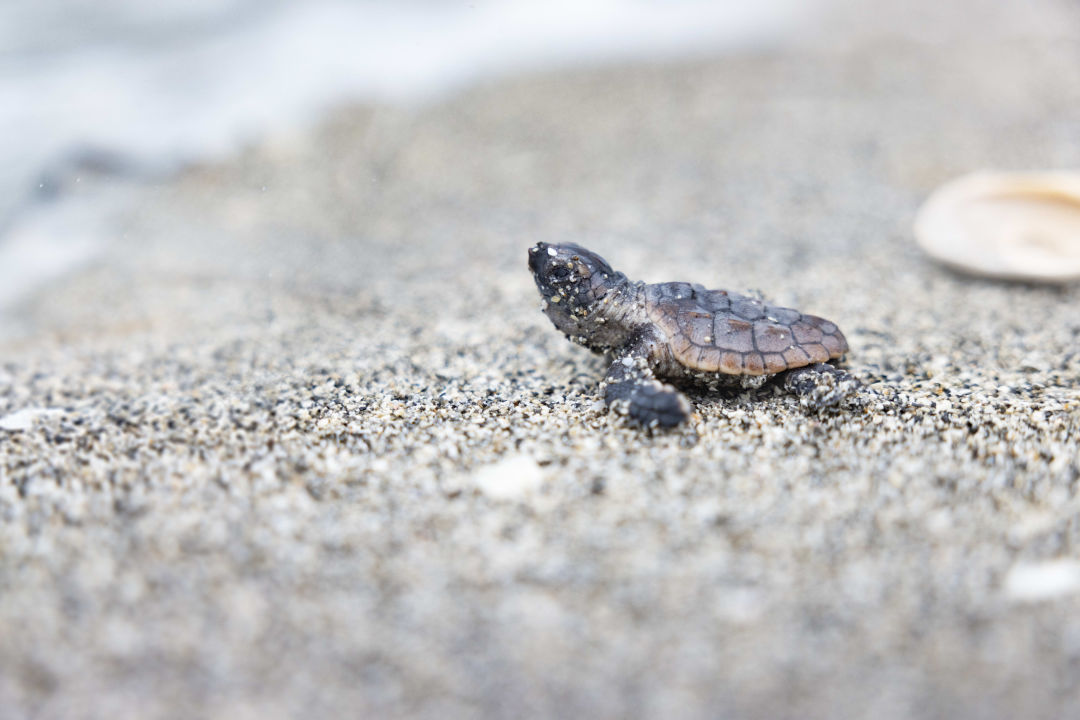
Image: Hayley Rutger
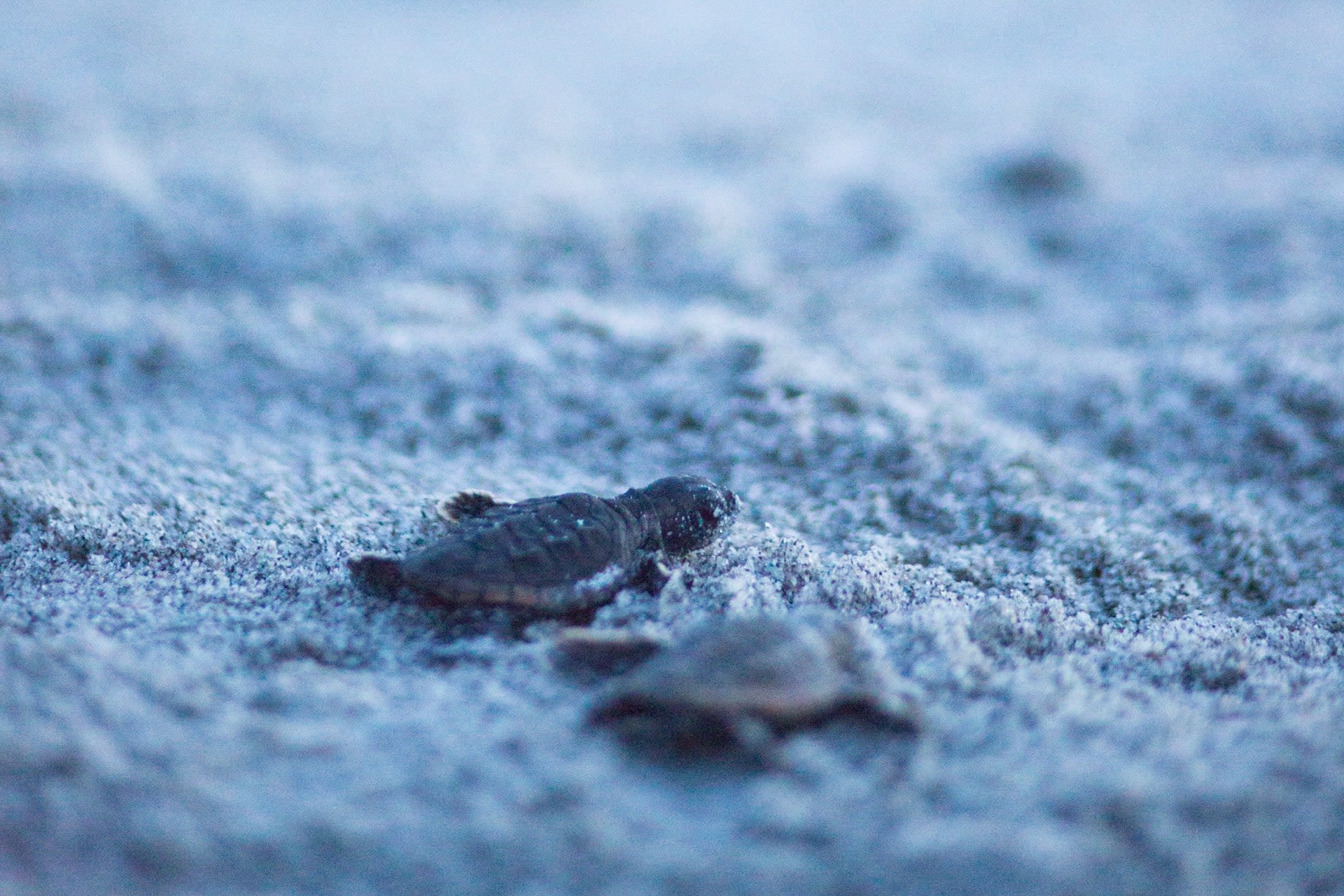
Here's the good news we all need this week: Mote’s Sea Turtle Conservation and Research Program (STCRP) documented a historic nesting season in 2025, with 5,735 total nests recorded along 35 miles of Sarasota County beaches, from Longboat Key to Venice. This marks the highest number of nests ever recorded in Mote’s 43-year monitoring history, far surpassing 2024’s 4,369 nests.
Loggerhead turtles (Caretta caretta), a threatened species protected under the U.S. Endangered Species Act, made up the vast majority of nests (5,384), followed by green sea turtles (Chelonia mydas), which accounted for 351 nests. Sarasota County occasionally hosts rare nests from Kemp’s ridley and leatherback turtles as well. And in an uncommon occurrence, the STCRP team found nests incubating into November this year.
However, the unprecedented number of nests is not the only trend STCRP’s data revealed. This year's nesting season also marked the highest number of disorientations ever documented by Mote (716 events). Disorientations occur when artificial lighting along the shoreline misleads hatchlings or returning nesting females away from the ocean, often resulting in exhaustion, dehydration, or death.
“This year’s record numbers show that Mote’s conservation measures are working,” says Dr. Jake Lasala, Manager of Mote’s Sea Turtle Conservation and Research Program. “However, we’re seeing new challenges emerge, such as the rise in disorientations. It’s more important than ever for our community to turn off or shield beachfront lights, remove beach furniture at night, and keep nesting areas clear to give every hatchling the best possible chance at survival.”
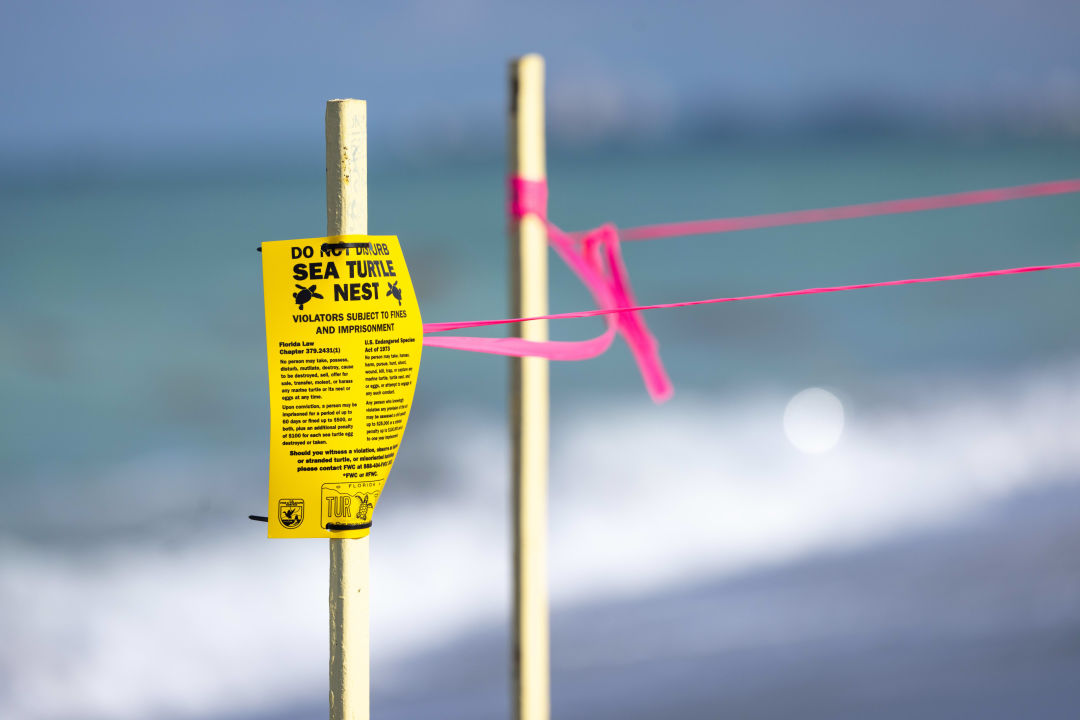
Mote’s STCRP has monitored and protected sea turtle nesting activity since 1982, collecting long-term data essential to understanding population trends, reproductive success, and how environmental and human factors affect nesting behavior. The program’s dataset represents one of the longest continuous sea turtle monitoring efforts in the U.S. STCRP staff, interns, and more than 300 volunteers known as the Sea Turtle Patrol conduct daily surveys from April 15 through Oct. 31, documenting every crawl, nest and hatchling emergence. STCRP’s careful monitoring helps ensure each nest is properly marked and protected.
STCRP scientists use the data they collect to study phenological shifts (changes in the timing of nesting), nest density, hatching success and the influence of environmental factors, work that supports management decisions by local, state, and federal conservation partners.
To learn more about joining Mote’s Sea Turtle Patrol, visit mote.org/seaturtles.