



The Names Behind Sarasota's Most Recognizable Buildings

Image: AI-Generated Image/ChatGPT
Chidsey Library
701 N. Tamiami Trail, Sarasota
Named for John and Ida Chidsey when it opened in November 1941, the Chidsey Library was Sarasota’s first public library and held approximately 18,000 books in the 1940s. The Chidseys, winter residents from Connecticut, donated $25,000 to the project, which paid for the majority of the cost—an equivalent of more than $550,000 today. The building is beautiful. Designed by architect Thomas Reed Martin in the Art Moderne style (an evolution of Art Deco), it has a sleek geometric outline, a flat roof, glass block, and an entrance that looks classical yet contemporary. Listed on the National Register of Historic Buildings, The Chidsey is now being used for staff at The Bay.
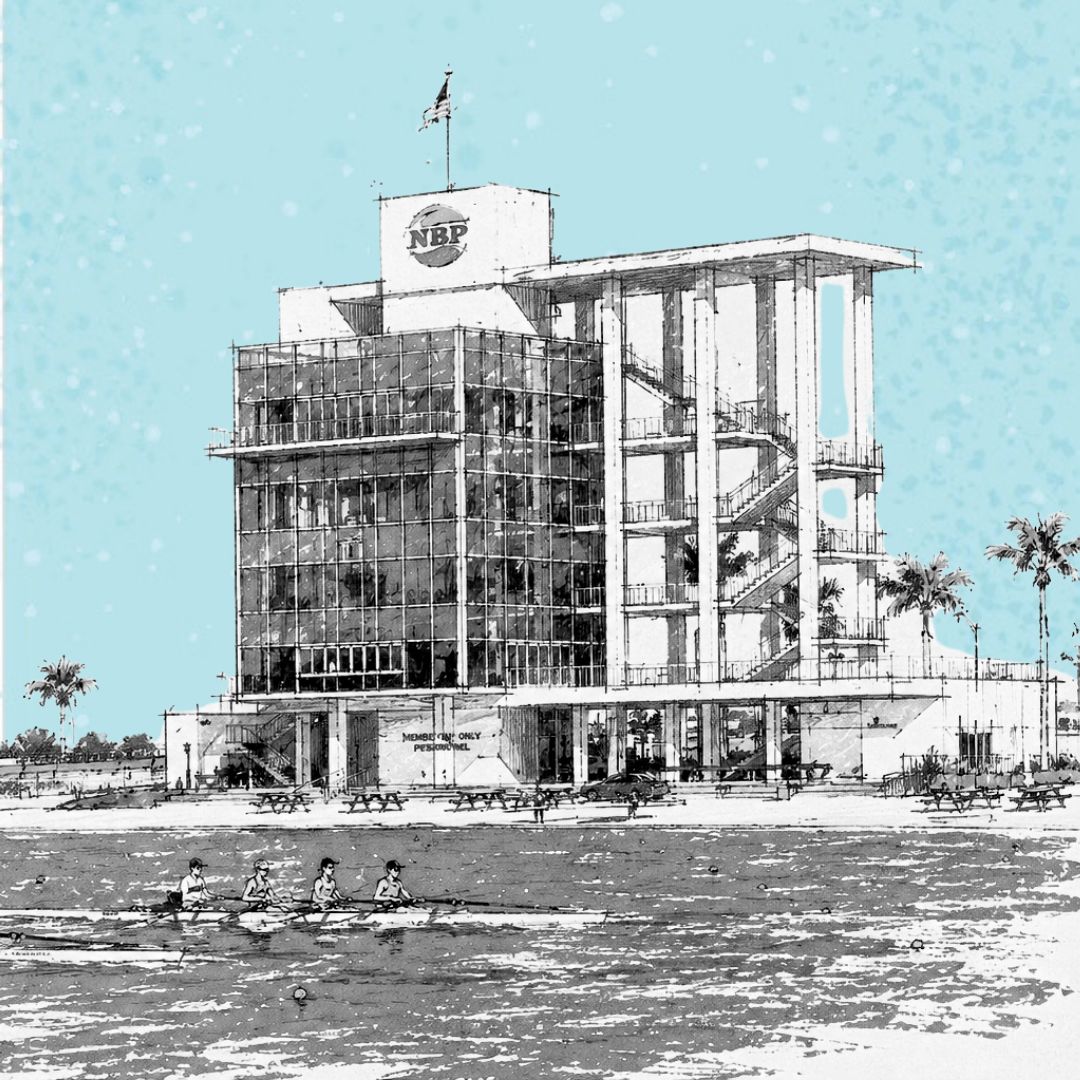
Image: AI-Generated Image/ChatGPT
Nathan Benderson Park
5851 Nathan Benderson Circle, Sarasota
Formerly known as the Sarasota County- owned Cooper Creek Park and once an excavation pit for road construction, Nathan Benderson Park opened to the public in 2014, following a $1 million donation from Benderson Development in 2007 to create a health and wellness destination. Founded by the late Nathan Benderson, the company is one of the nation’s largest private real estate and development companies. It owns and develops University Town Center properties, among many others in our region. The park and its 400-acre lake and 2,000-meter regatta course are managed by the Suncoast Aquatic Nature Center Associates Inc. and host multiple aquatic events, including world rowing championships.
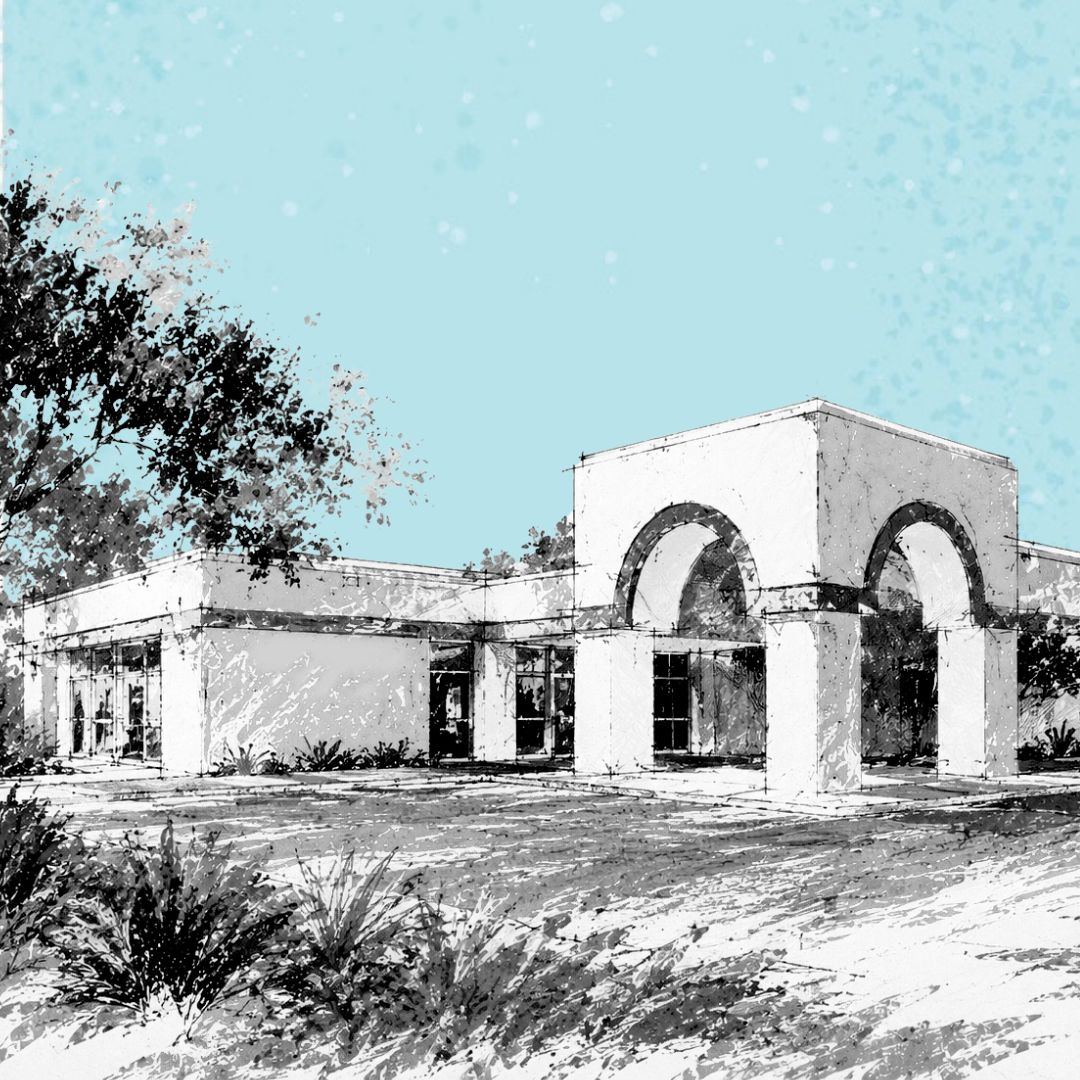
Image: AI-Generated Image/ChatGPT
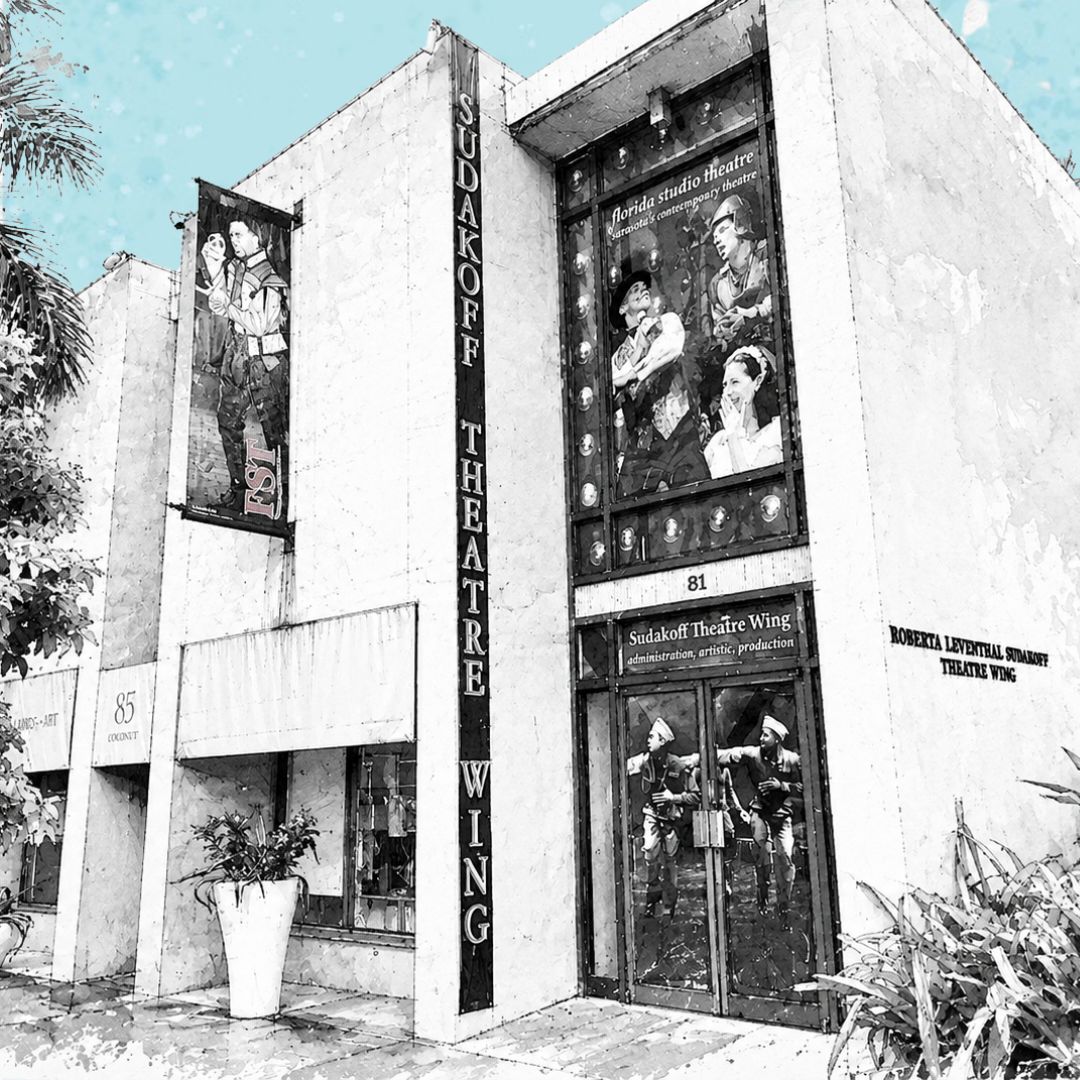
Image: AI-Generated Image/ChatGPT
Harry Sudakoff Conference Center
5845 General Dougher Place, Sarasota
Roberta Levanthal Sudakoff Theatre Wing
1241 N. Palm Ave., Sarasota
A 400-seat multi- purpose venue located on New College of Florida’s campus is named for Harry Sudakoff, a developer and financier who was well known for his philanthropy. Together with his wife Roberta Levanthal Sudakoff, they gave millions of dollars to the community. Florida Studio Theatre’s Roberta Levanthal Sudakoff Theatre Wing also bears the Sudakoff name and houses the organization’s artistic, education and administrative offices.
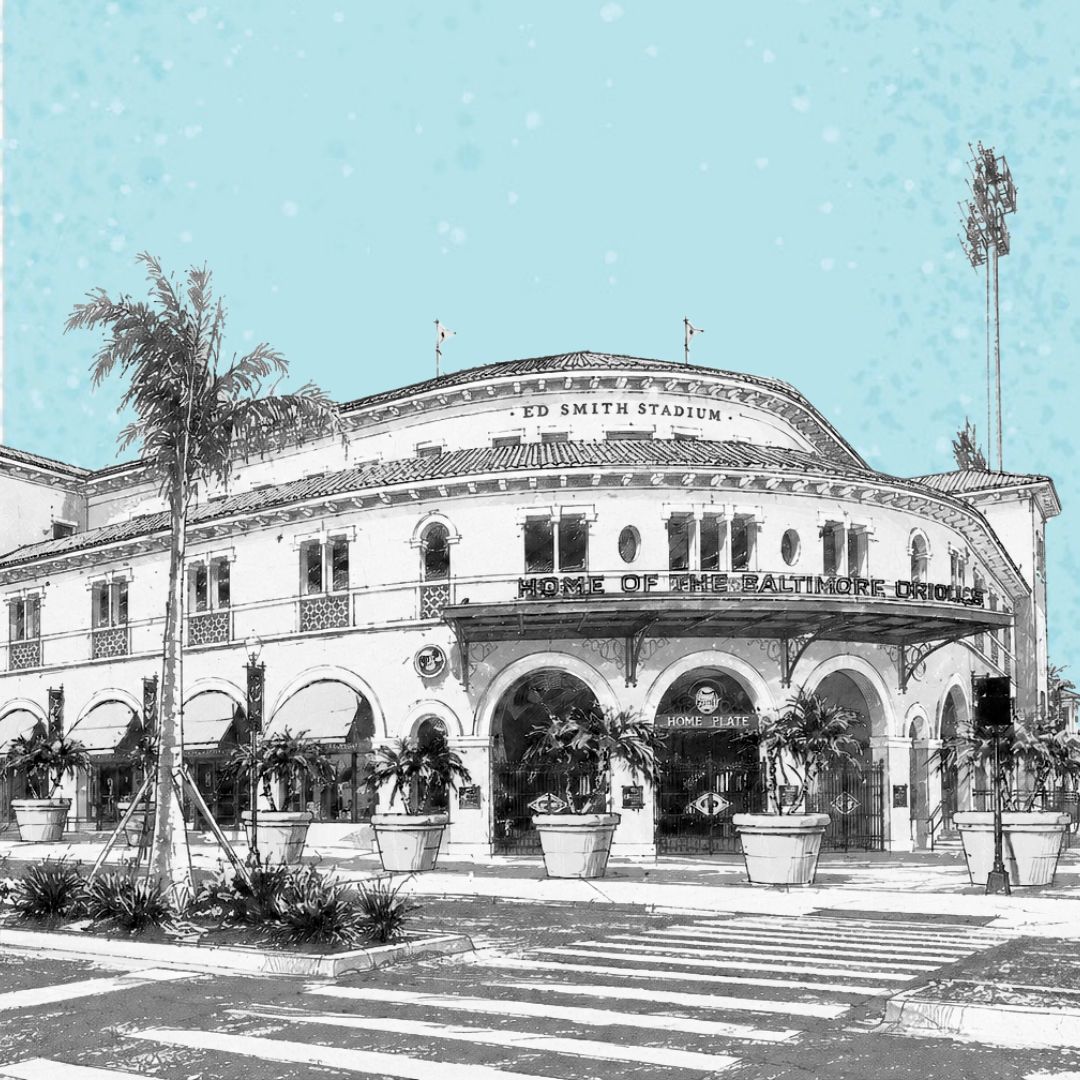
Image: AI-Generated Image/ChatGPT
Ed Smith Stadium
2700 12th St., Sarasota
A prominent civic leader, real estate broker and longtime president of the Sarasota Sports Committee, Ed Smith—who moved here from Ohio—was instrumental in luring the Chicago White Sox from Tampa as Sarasota’s spring training team in 1960. Once the White Sox expressed dissatisfaction with the old Payne Park facilities near downtown, Smith was instrumental in securing $8.9 million in funding to build a new spring training stadium, Ed Smith Stadium, now the spring home of the Baltimore Orioles.
Betty J. Johnson North Sarasota Library
2801 Newtown Blvd., Sarasota
Betty Johnson was a longtime Selby Public Library (named for another historical legacy, Marie Selby) employee who dedicated her life to her community’s youth and literacy. Johnson advocated for a library in Newtown, Sarasota’s historically Black community, where she lived. Through volunteer friends and a library group she started in 1979, she secured a $10,000 grant to help pay for a mobile library that brought books to Sarasota neighborhoods.
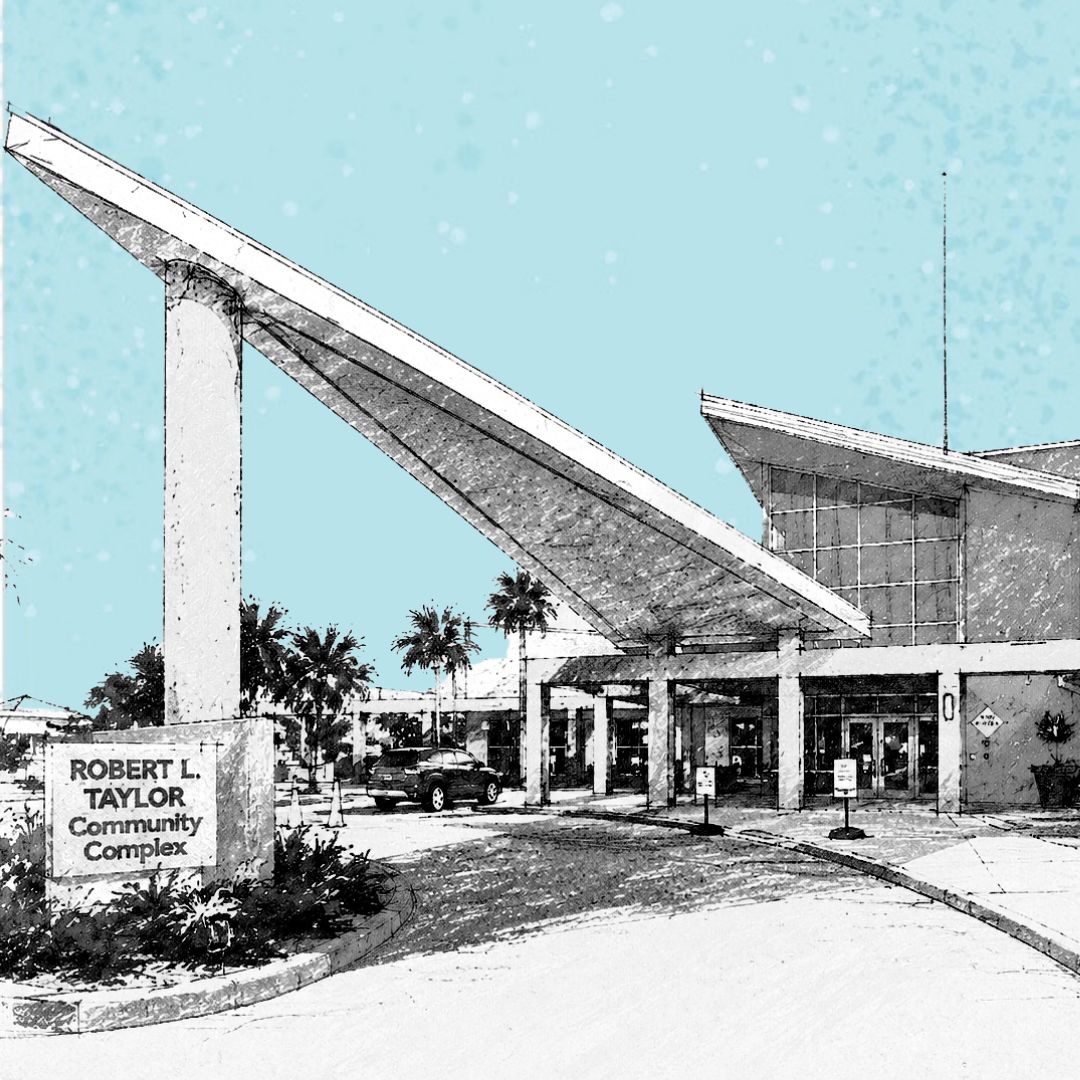
Image: AI-Generated Image/ChatGPT
Robert L. Taylor Community Complex
1845 John Rivers St., Sarasota
Robert Taylor began as a part-time employee of what used to be the Newtown Community Center—called The Rec—before becoming its manager, and is credited with developing its recreational programming beginning in the 1950s, when venues and activities were closed to the Black community. The 13-acre Robert L. Taylor Community Complex, which was rebuilt into a modern facility, features an outdoor park with a large lighted multisport field, pool and splash park. Inside is a 44,000-square-foot facility with a fitness center, basketball court, computer lab, game room and meeting space.

Image: AI-Generated Image/ChatGPT
Emma E. Booker Elementary School
2350 Dr. Martin Luther King Junior Way, Sarasota
Pioneering educator Emma E. Booker moved to Sarasota in 1914 to teach at Sarasota Grammar, the county’s only public school for Black students, housed in a rented building. By 1923, she became the school’s principal and led fundraising efforts to buy a building for the school, which opened in 1925. In 1989, the school was moved to its current location and renamed Emma E. Booker Elementary School. Sarasota County’s Booker Middle School and Booker High School were also named in her honor.
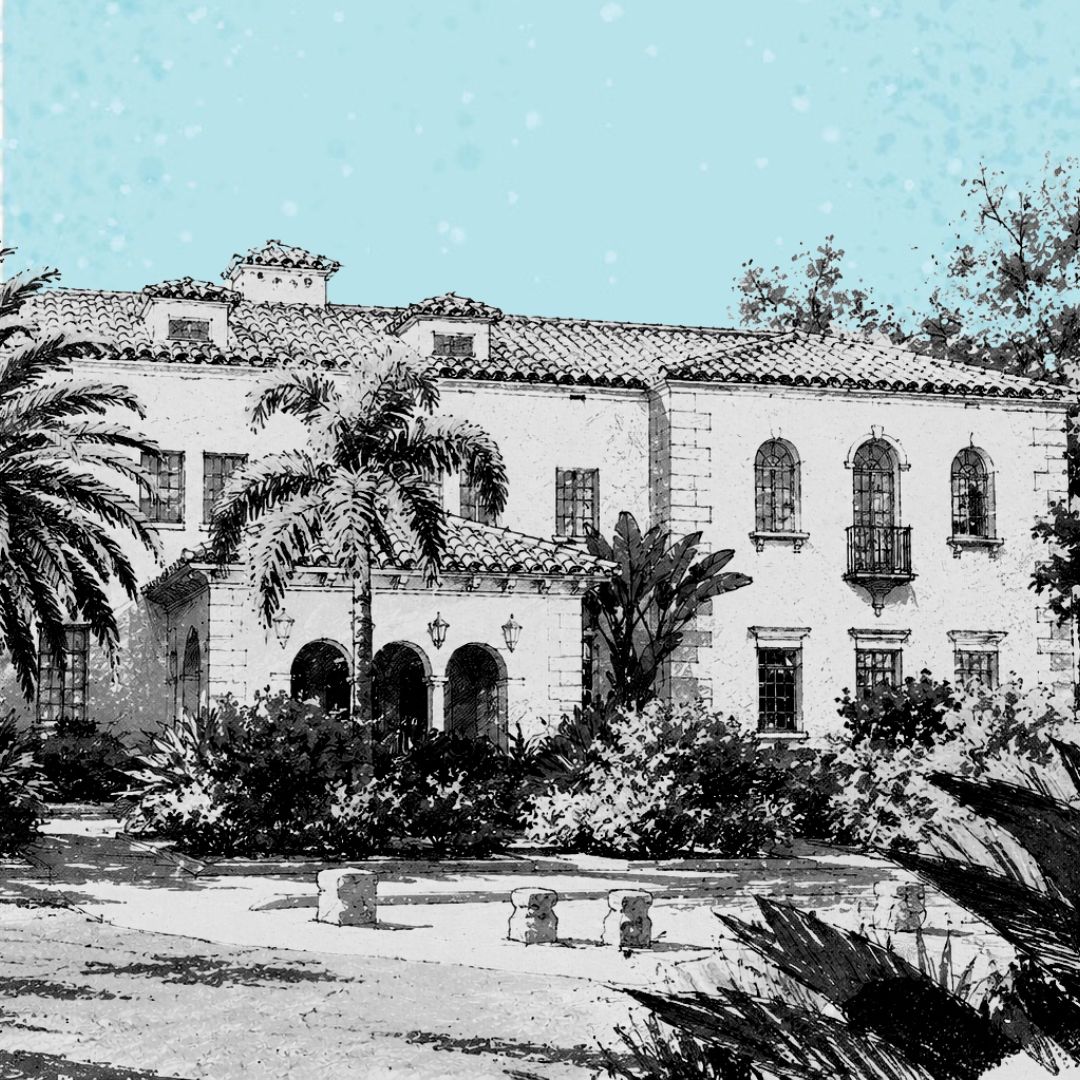
Image: AI-Generated Image/ChatGPT
Seagate at the Powel Crosley Estate
8374 N. Tamiami Trail, Sarasota
In 1929, Ohio industrialist Powel Crosley Jr. built his 21-room, 11,000-square-foot Mediterranean Revival-style winter estate, Seagate, designed by famous architect Dwight James Baum, as a gift to his wife Gwendolyn, who died of tuberculosis on-site in 1939. Crosley Jr. was an inventor of the first automobile radio, the world’s most powerful radio station, the first portable freezer, the first lights on a major league baseball field and the first mass-produced small economy car. He rarely visited Sarasota after his wife’s death and sold the estate in 1947, but not before allowing the U.S. Army Air Corps to use the home for airmen training for World War II. Today, the Powel Crosley Estate is listed on the National Register of Historic Places and operates as an events hall.