




North Port Adopts 18-Month Data Center Moratorium
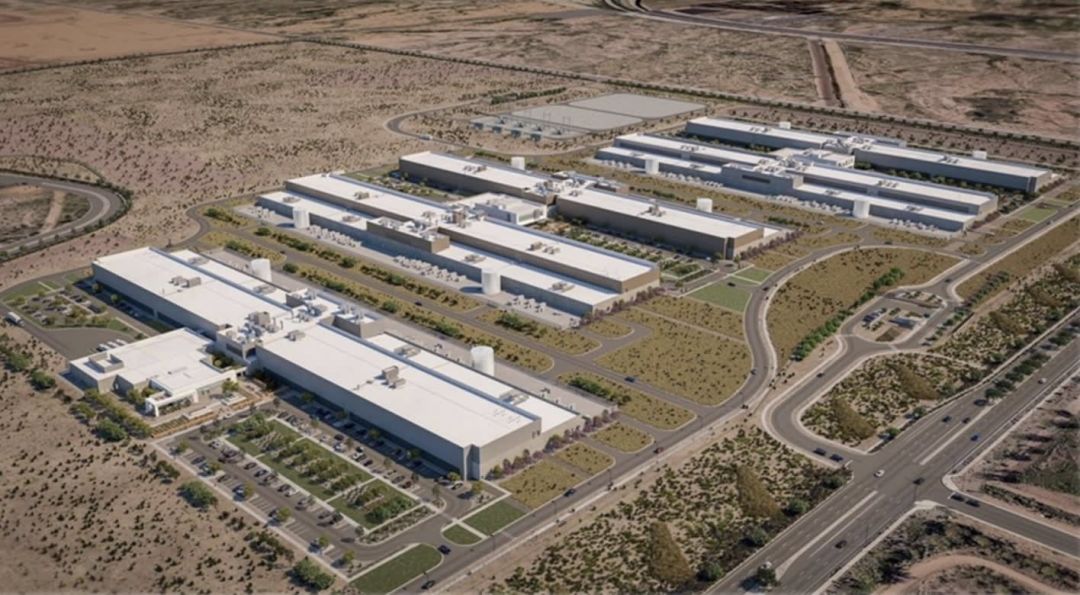
Image: Suncoast Searchlight
North Port commissioners adopted an 18-month moratorium on data center development Tuesday night, ending weeks of debate with a 3-2 vote that pauses new proposals but stops short of rejecting the controversial Deep Park project.
Mayor Pete Emrich, Vice Mayor Barbara Langdon and Commissioner Phil Stokes voted in favor of the moratorium. Commissioners Demetrius Petrow and David Duval voted against it—not because they favored the data center, but because they said they wanted the city to stop the pending application more completely.
The commission approved the moratorium, not the data center.
The ordinance generally freezes new data center applications while North Port studies possible regulations governing water and electricity use, noise, environmental effects, emergency services and infrastructure. It also prevents the city from granting final approval to the pending Deep Park proposal during the moratorium.
The owning entity, North Port Holdings 300 LLC, however, may continue responding to staff comments and moving its application through processing and technical review. Commissioners would still have to make a final decision before construction could proceed.
The company is seeking approval for seven data center buildings totaling approximately 896,000 square feet on about 112.7 acres within the broader 282-acre Deep Park development concept north of Interstate 75 and south of Yorkshire Street.
Dozens of people spoke or had written statements read, with opposition dominating the comments. Some supported adopting the moratorium as a legally cautious way to buy time, but even those speakers expressed opposition or serious reservations about the proposed project.
Residents raised concerns about water availability, electricity demand, continuous noise, backup generators, diesel fuel, light pollution, wetlands, wildlife, hurricanes and possible effects on nearby homes and schools.
Elsewhere, the risks have moved beyond projections. Google’s data centers now consume about one-third of the municipal water in The Dalles, Oregon. In Cheyenne, Wyoming, officials traced bacteria in the city’s reclaimed-water system to wastewater from construction of a Meta data center, forcing cleanup and tighter discharge rules. In the PJM electricity market, which serves 13 states and Washington, D.C., the grid monitor has identified data center growth as the primary reason for sharply higher capacity prices. The cases show the potential stakes: strained water supplies, wastewater contamination, grid pressure and higher electricity costs.
Some asked for independent studies, substantial setbacks, sound enclosures, dark-sky lighting and guarantees that the developer would cover infrastructure and mitigation costs.
Andrew Wright, who said he lives about 500 feet from the property, requested enforceable noise testing, enclosed cooling and generator equipment, lighting controls and a buffer between the project and nearby properties.
Jenna DaCosta urged the city to use the moratorium to answer unresolved questions about cooling, stormwater, backup generators, emergency response and the project’s tax treatment. Her position was that the moratorium wasn’t the solution itself, but time the city could use to develop one.
The comments also became heated.
Several speakers used profanity while accusing commissioners of failing to protect residents. Some warned that commissioners would face political consequences if the project advances.
Colten, who identified himself as being from The Nik & Colten Show, said he had worked on a data center in Pennsylvania and challenged claims about closed-loop cooling systems. A second man affiliated with the show described himself as Charlotte County’s largest political podcaster and vowed to work against commissioners who supported the ordinance in its current form.
“I’m coming after you if you vote yes (...) I’ll unseat you,” he said, referring to elections. He added: “I’m not threatening you guys. I’m just warning you.”
The commissioners’ disagreement centered largely on the risk of a lawsuit.
City Attorney Michael Fuino warned that stopping the pending application entirely would likely prompt the developer to seek an injunction. He said litigation could also expose the city to damages, attorney fees and other costs.
Fuino also told commissioners that the city had spoken with the developer’s attorney between the ordinance’s first and second readings. According to Fuino, the attorney said that “at least as of right now” the developer wouldn’t sue over the version commissioners adopted.
That wasn’t a binding promise, but it influenced the majority’s decision.
Stokes said allowing the application review to continue was the most fiscally responsible approach because it gives the city time to obtain information about the project before deciding whether to reject it.
“We can always say no and go to court and battle it out,” Stokes said. “But doing it prematurely, before we have any information about how they’re going to power this, how they’re going to mitigate these issues, I just don’t think is responsible.”
Langdon said she wouldn’t consider herself obligated to approve the project. If the city adopts new regulations and the applicant is unwilling to meet them, she said, she would vote to reject the application and “happily go to court at that point.”
Emrich said an immediate legal battle could cost taxpayers substantial sums while still allowing the data center to proceed if the city lost. He favored using the moratorium period to collect information and strengthen the city’s position.
Petrow and Duval reached the opposite conclusion.
Petrow argued that continuing to process the application allows the developer to invest more money and potentially improve its position in a future legal dispute. He also accused city administrators of deliberately shielding the project from commissioners and residents.
City staff said the application documents weren’t initially entered into the city’s public permitting system because the applicant had requested confidentiality. Development Services Director Elena Rager said the documents were uploaded and assigned an application number after that confidentiality expired and the application was resubmitted.
Duval had supported the ordinance on first reading but changed his vote Tuesday.
“If they want to sue us, I say let them sue us,” he said. “I will not vote yes on this second reading the way this ordinance is stated right now.”
The vote doesn’t approve Deep Park, authorize construction or establish that the project can obtain sufficient electricity or water.
The application may continue through city processing and technical review, including revisions made in response to staff comments. But the city can’t grant final approval while the moratorium remains in effect.
The arrangement gives North Port time to study data centers and develop regulations while obtaining more information about Deep Park. It also allows the applicant to continue spending money on engineering, environmental analysis and project revisions—one of the principal reasons opponents wanted the application stopped entirely.
The filings estimate average potable-water demand of 15,500 gallons per day, but don’t clearly identify the proposed cooling system or establish whether that figure includes all cooling-related water use. The filings also don’t state a definitive electrical load.
Those unanswered questions will likely shape both the city’s review of Deep Park and the regulations developed during the moratorium.
Nearby Manatee County is moving toward its own temporary pause. Commissioners held the first of two required hearings Sept. 22 on Ordinance 26-42, which would establish a 12-month moratorium on new data center and other large-load development applications in unincorporated Manatee County. The measure isn’t yet in effect; commissioners are scheduled to consider final adoption Oct. 6.
In North Port, the moratorium is now adopted. The question is no longer whether the city will pause new data center proposals, but what regulations it will write during that pause—and whether the Deep Park application can ultimately satisfy them.