




Remembering Architect Carl Abbott

Image: Courtesy Photo
For Carl Abbott, a house began with what was outside it: the movement of sunlight, the shape of the land and the relationship between water and sky helped determine what he built, and how people would live within it.
“Every building we do is in effect a series of viewing platforms for nature,” he told Sarasota Magazine in 2020.
Abbott, the last surviving member of the original Sarasota School of Architecture, died this week at age 90. The Paul Rudolph Institute for Modern Architecture announced his death after a short illness, joining architects and institutions in remembering a designer whose influence extended well beyond Florida.
His death closes a living chapter of Sarasota’s architectural history. Abbott studied under Paul Rudolph, worked alongside architects who would become international figures and continued developing the region’s modernist ideas through decades of practice. He also shared that history firsthand, through teaching, conversation and guidance to younger architects.
Image: Mick Hales
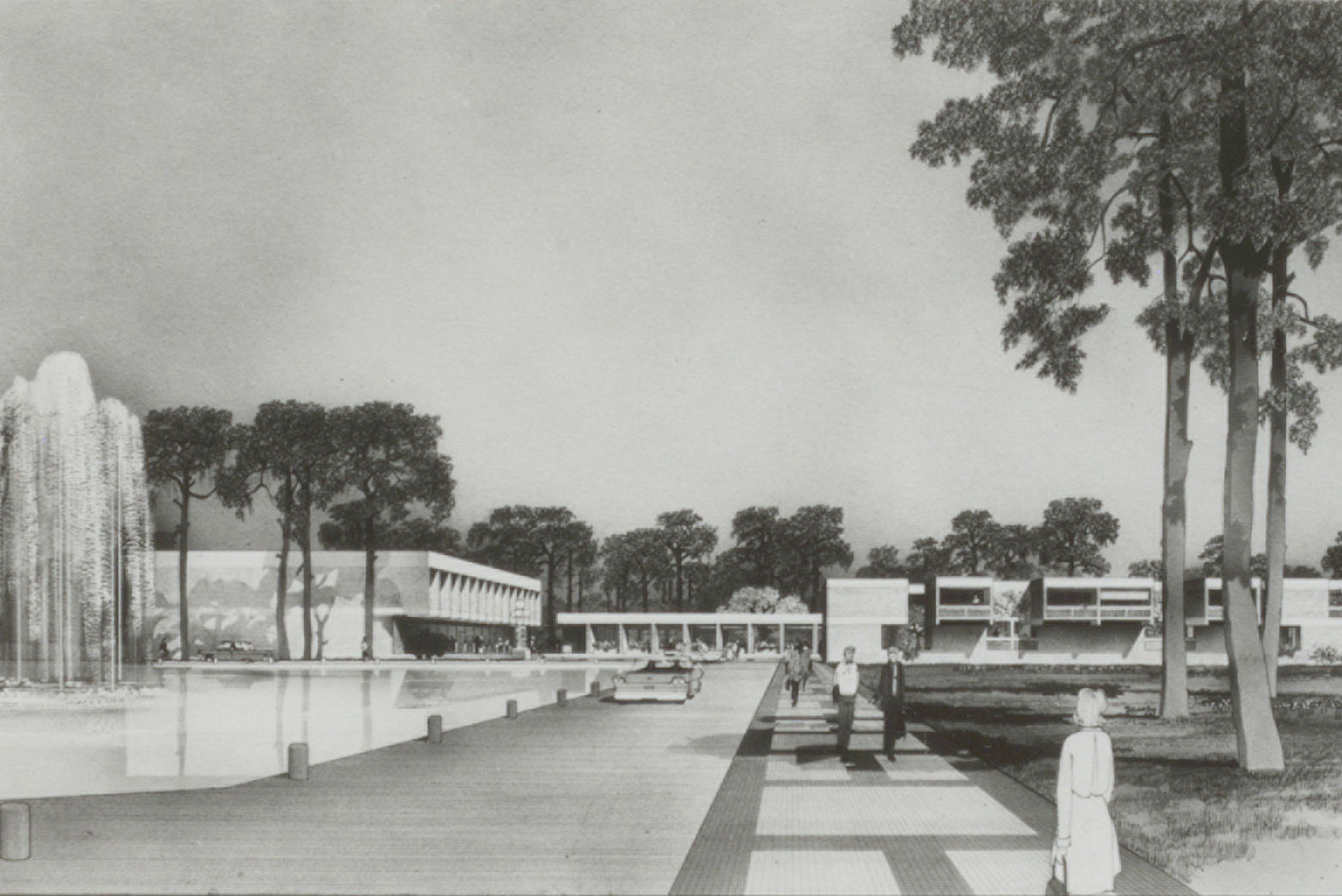
The Sarasota School of Architecture was a regional modernist movement that emerged in the 1940s and 1950s, associated with architects including Ralph Twitchell, Rudolph and Victor Lundy. Its buildings responded to Florida’s heat, light and landscape with deep overhangs, shaded outdoor spaces, natural ventilation and open plans. Large expanses of glass connected rooms to their surroundings, while carefully placed roofs and screens made those connections comfortable. The work helped establish Sarasota as a place where architecture could be both experimental and suited to everyday life.

Image: Steven Brooke
Abbott carried those principles into a distinctly sculptural body of work. His houses could be bold, angular and monumental, with strong geometric forms and deep shadows. Yet their drama remained tied to the site: a wall framed a view, an opening revealed water, a sequence of spaces changed how someone experienced the landscape. “To throw you out into nature, that’s always my goal,” he said.

Image: Courtesy Photo
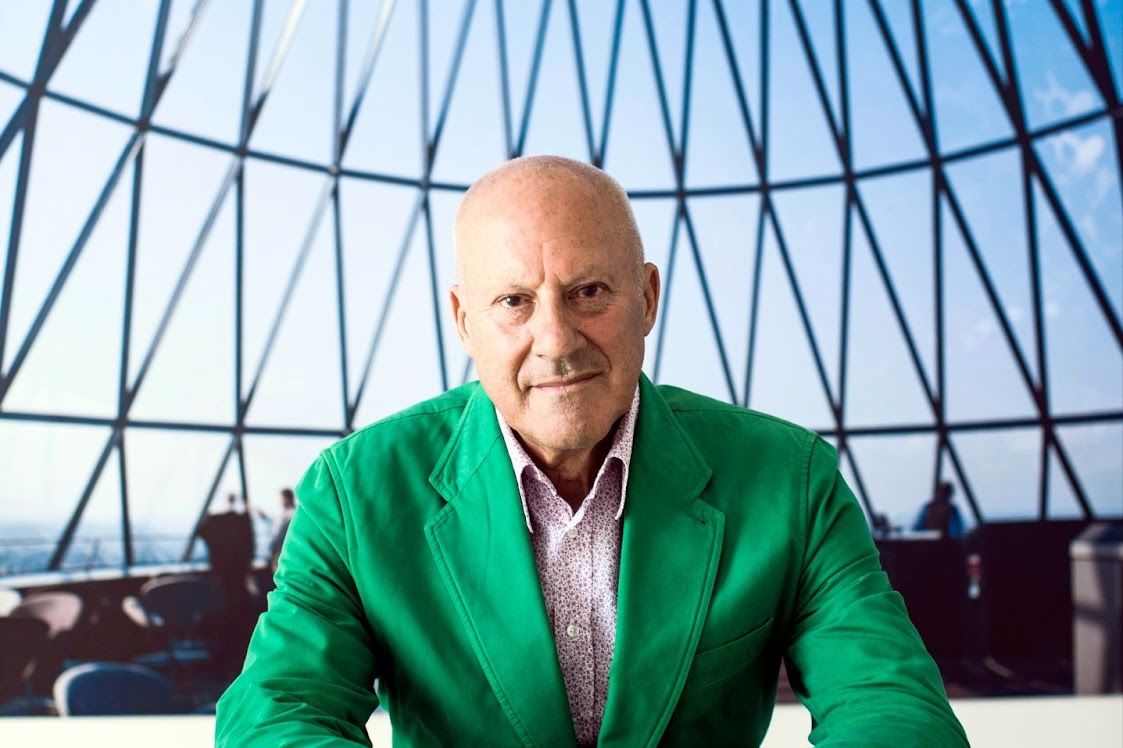
Born near Darien, Georgia, in 1936, Abbott earned his undergraduate architecture degree at the University of Florida and his master’s at Yale in 1962, studying under Rudolph and Louis Kahn. He worked in New York with I.M. Pei and in London with fellow Yale classmates Norman Foster and Richard Rogers before establishing his Sarasota practice in 1966.
Early on, his work drew national attention early. The Weld Beach House in Boca Grande appeared in Architectural Record’s Record Houses in 1972 and Vacation Houses in 1977. Among his other notable residential designs were Casa del Cielo on Siesta Key, the Lido Bayfront House and the Putterman Residence in Lido Shores. Casa del Cielo and the Putterman house earned AIA Florida/Caribbean Test of Time awards, recognizing their enduring architectural significance.
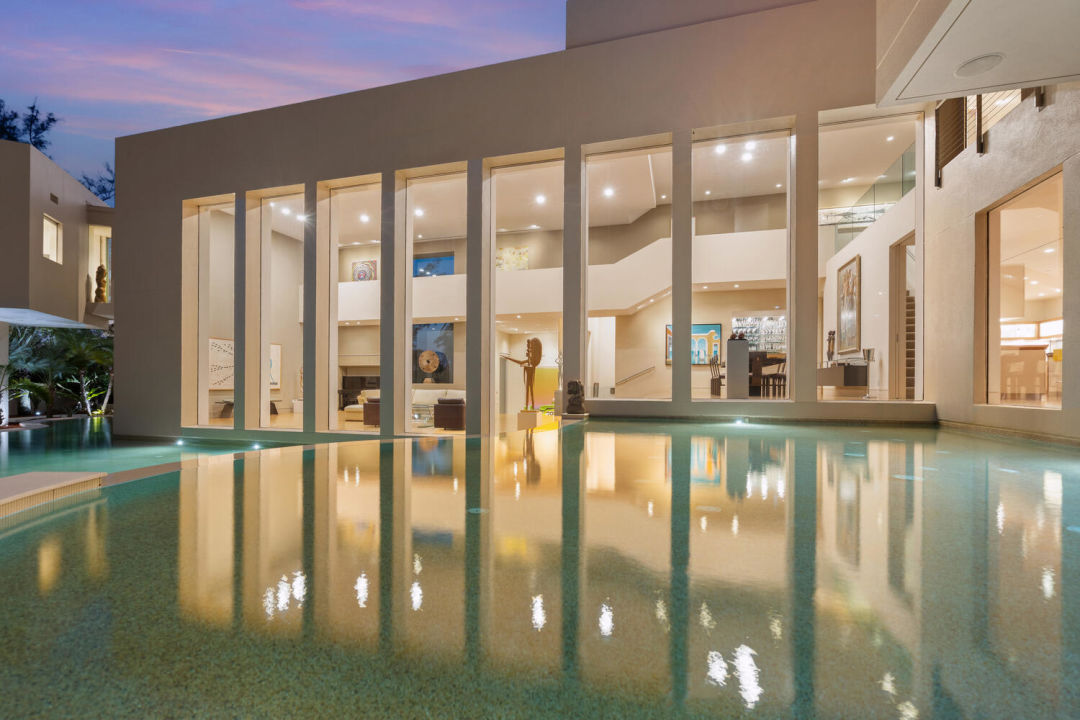
Image: Coastal Home Photography
That attention continued decades later. In 2007, he was highlighted in the New York Times. Architectural Digest covered the Abbott-designed Sarasota waterfront home owned by Creedence Clearwater Revival bassist Stu Cook in 2025. This year, his House of Columns on Longboat Key also received international attention when it came to market for $22 million. Completed in 2007, the bayside residence demonstrates how Abbott expanded the Sarasota School’s vocabulary: strong piers, soaring glass and layered volumes organize the home around light and water. Its scale is grand, but the underlying ethos carries through from the movement’s earliest houses: how to make a building belong where it stands.
The tributes following his death describe a legacy that includes people as well as buildings. Solstice Planning and Architecture recalled Abbott spending an hour and a half with architect Jonathan Parks in 1995, marking significant Sarasota projects on a map, including other architects’ work.
And his influence continues through local architects such as Leonardo Lunardi, who worked under Abbott before establishing his own firm. Lunardi told us that the experience shaped his attention to the lessons and traditions of Sarasota’s early modern movement.
In 2023, AIA Florida honored Abbott with its Presidential Award for preserving the legacy of the Sarasota School of Architecture. At the convention, he also recorded an interview for the organization’s archives, preserving his firsthand account of the movement and his career. The University of Florida School of Architecture also recognized his teaching and his donation of professional archives, which will remain available to future researchers and designers.

Image: Leonardo Lunardi
Some of Abbott’s celebrated houses have already been demolished, including Casa del Cielo and the Lido Bayfront House. His death adds urgency to the care of those that remain. They preserve more than an architectural style. They show how closely a home can attend to the place around it.
A memorial is yet to be announced. Follow here for possible updates.