




Want a Rose Garden Like Mable Ringling's? We Asked The Ringling's Landscape Pros for Tips.
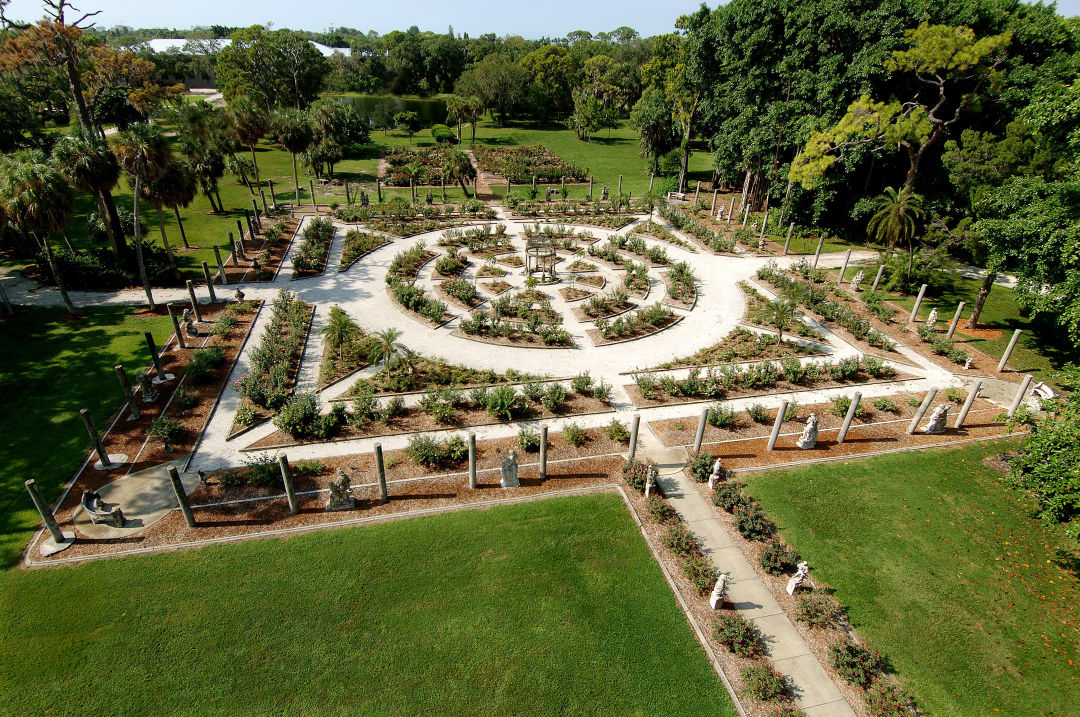
Image: Courtesy Photo
This winter's cold snaps—which saw temperatures dipping as low as 34 degrees Fahrenheit, with even colder wind chill—was brutal for our tropical landscape. Plants that thrive in Sarasota, which is in zone 10A on the USDA's Plant Hardiness Zone Map, aren't used to prolonged chills, and many of us, especially inland, found ourselves sadly removing dead cold-stricken plants from our gardens and trying to figure out a replanting scheme.
But there's one type of plant that actually liked the cold weather: the rose.
"Growing roses in this part of the world can actually be a struggle because we don't get enough cold," says Brendan Dooley, the owner of owner Sarasota's Green Tech Landscape Management. Dooley has worked as a contractor on The Ringling Museum grounds for years, which is home to one of the most famous rose gardens in the area, a 27,000-square-foot plot originally designed by Mable Ringling and completed in 1913.
Even back then, Mable was fighting an uphill battle to keep her roses hearty and healthy—which makes the beauty of her garden all the more awe-inspiring. "It gets incredibly hot and humid here, which roses hate," Dooley says.
In fact, the 2024 hurricane season had a much more profound impact on the landscape than this winter's cold.
"The hurricanes flattened the rose garden," Dooley says. "There were legacy roses here that got hammered by the wind. So we had to start again."
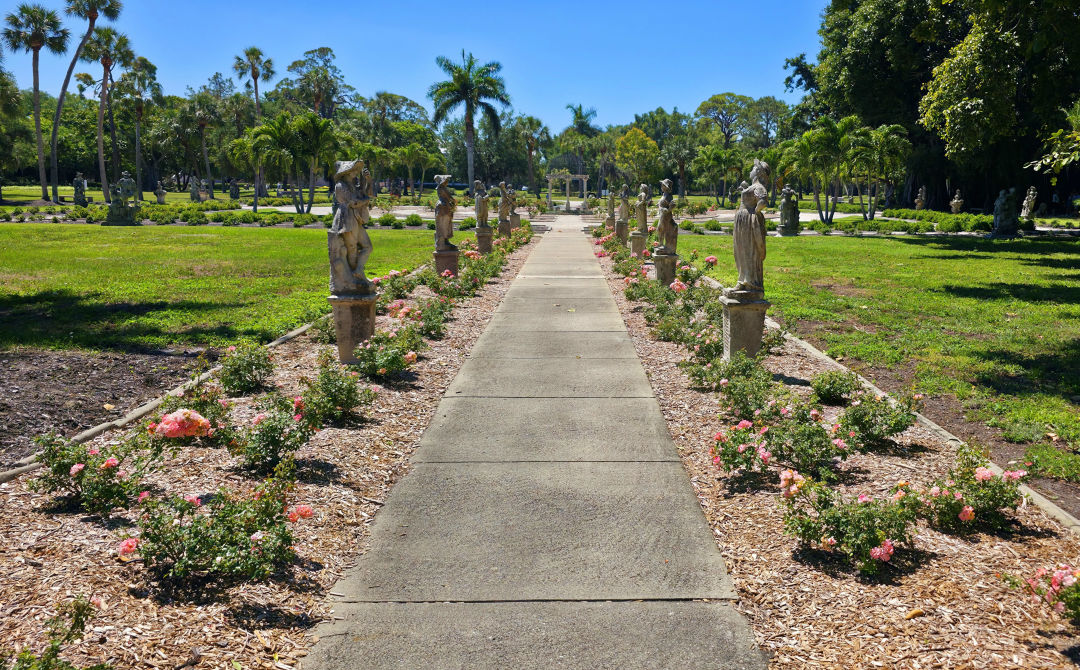
Working with John Fleming, Ringling's director of facilities, the team replanted the entire garden, grafting each one onto Rosa × fortuniana rootstock—a disease-resistant breed that thrives dry, sandy soils—to ensure they survive in our tropical climate.
And this winter's cold weather hit was actually a boon for the baby roses, Dooley says. "They loved it. They want to go down into a level of cold vernalization [when a plant or seed is exposed to low temperatures for a prolonged period of time to accelerate the flowering process], then bounce back from that," he explains. "So it suited the roses quite well."
Even though The Ringling's new crop of post-hurricane roses haven't been in the ground that long, they're growing, with some expected to get as large as 3 feet or 4 feet tall in certain areas of the garden. "It takes a season or two for them to get to their full size," Dooley says, "but they're perennial shrubs that, in the right conditions, will last a long, long time." Just look to Mable's original garden for proof.
Image: Shutterstock
How to Grow Roses at Home
Want to grow roses at your house? It takes care and attention, but it can be done—and you'll be rewarded with flushes of fragrant blooms year after year. Here are Dooley and Fleming's top tips.
Choose the right varieties.
When people think about roses, they often picture the long-stemmed, bright red variety that's prevalent around Valentine's Day. But those types of roses don't work here, Dooley says. Instead, listen to the experts at your nursery to find the best rose for your garden. "You need to use the roses that will survive in this area," he says, like disease-resistant floribundas. Want a list of specific varieties to try? The University of Florida's IFAS Extension says that Mrs. B.R. Cant, Spice, Louis Phillipe and Knock Out are the best-performing varieties for our state. Read more about them here.
Prepare your soil correctly.
"Don't put high-quality roses into poor-quality ground," Dooley says. "Spend money getting your foundation right, which is your soil conditions.
Plant in full sun.
"If you're going to plant roses here, you need to put them in full sun," Dooley says, "and make sure it's also in an area that gets some air movement, or air flow." That's important for keeping away pests and diseases.
Water the right way.
"Watering is imperative for roses, but they do not like to get water on their leaves," Dooley says. They want to be irrigated around the roots. If you irrigate them over the leaves, you establish a culture that is favorable to fungi and insects, and then you're fighting diseases the whole time." He recommends using a drip or micro bubbler and irrigating less often, but deeply, to encourage the development of a deep root system that helps the plant's health.
Don't be afraid to prune.
The best time to prune roses in the winter—which means that this past winter's cold spell was an ideal time to prune the Ringling roses. "A lot of people get worried about pruning because they hear how technical it is," Dooley says. "But you don't need to be a horticulturist to prune a lot of the roses that grow here—especially the multi-flowering bush roses." The most important thing, he says, is to remove dead flowers—a process called deadheading. "If you do that, you'll encourage more flowers to grow," he says.