

Patrick Radden Keefe Brings His Latest Book to Sarasota in February
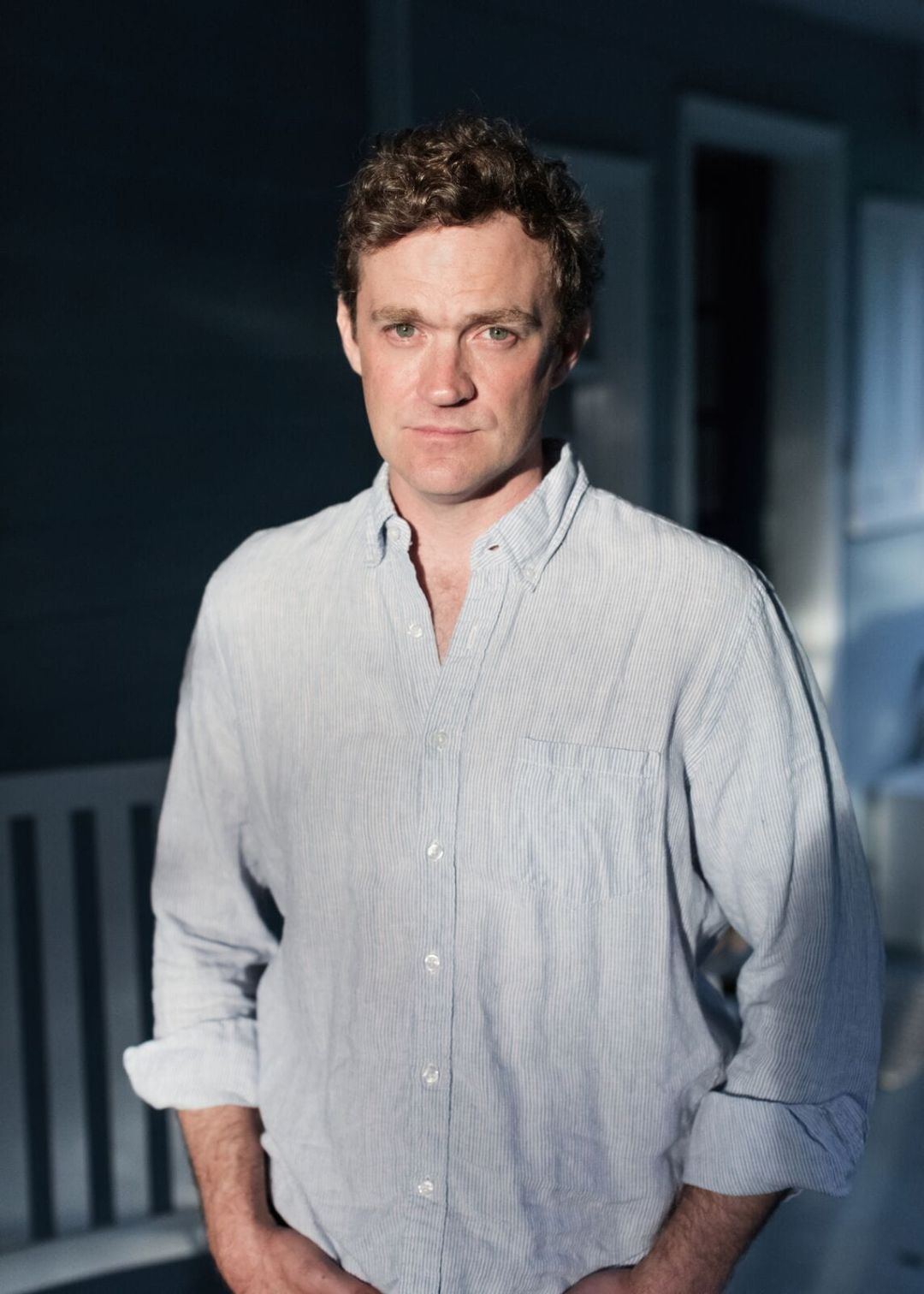
Image: Courtesy Photo
The Library Foundation for Sarasota County’s annual “Love Our Libraries” author luncheon is coming up Feb. 5, and this year the foundation has snagged investigative journalist and writer Patrick Radden Keefe as speaker.
Keefe is well-known as a longtime reporter for The New Yorker, but he’s also written several books, the latest of which, London Falling: A Mysterious Death in a Gilded City and a Family’s Search for Truth, debuted last spring. It tells the true story of a young man, Zac Brettler, who fell to his death from a luxury apartment tower into the River Thames, and in so doing both navigates a criminal London underworld most of us know nothing about and also delves into how much parents can ever really know about their children.
Goodreads has called the book “a bravura feat of reporting and writing”—an achievement Keefe’s readers will be familiar with from earlier works including Say Nothing, which explores Ireland’s Troubles (and became an award-winning television series adaptation), Empire of Pain (researching the Sackler family dynasty and its role in the opioid crisis) and more.
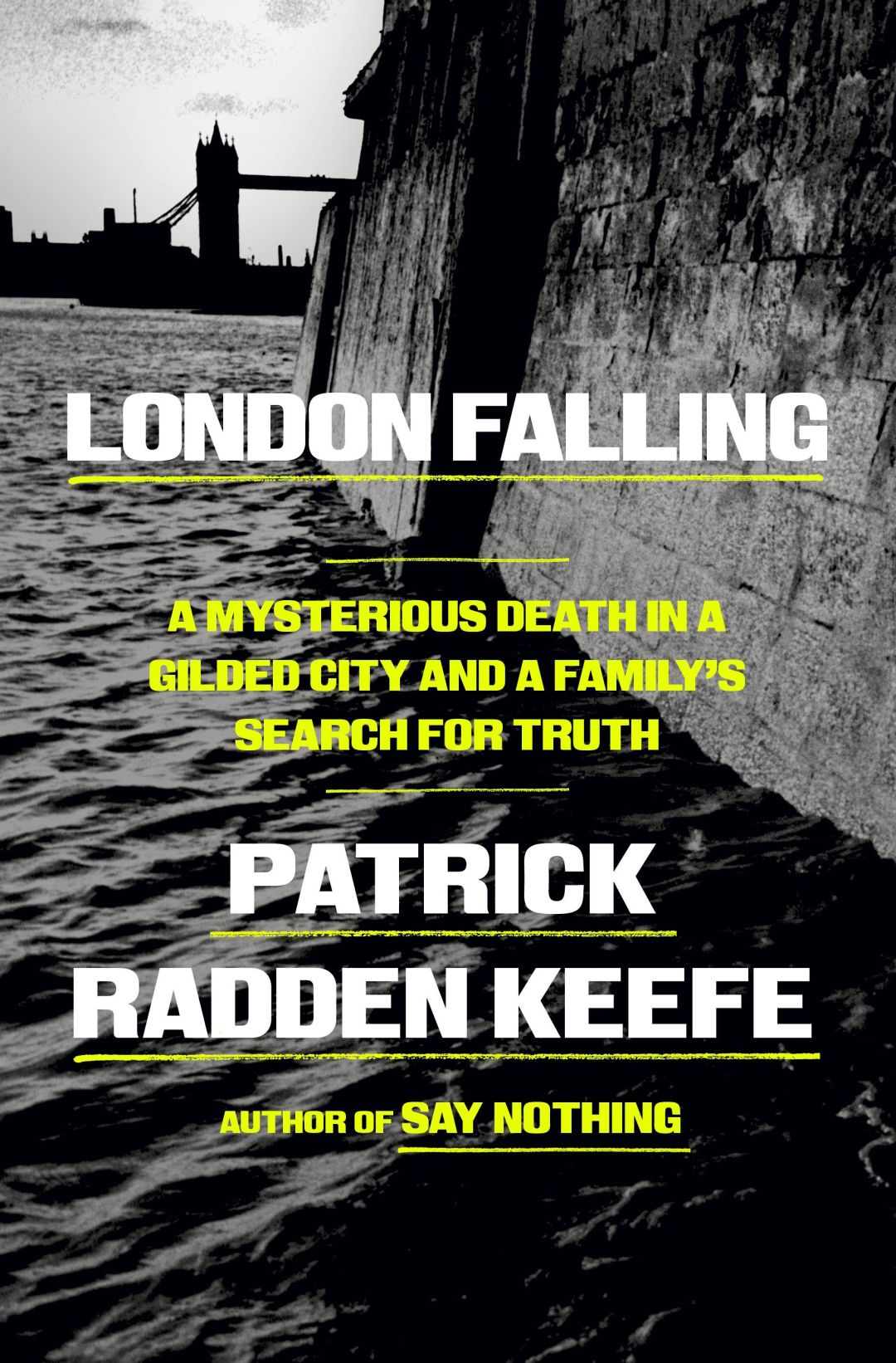
Image: Courtesy Photo
We spoke with Keefe just after he returned from a trip to the United Kingdom about how and why he does what he does. This conversation has been edited for clarity and length.
You’ve done a number of things in your professional career before turning to writing nonfiction. How have they helped you when it comes to writing?
"I trained as a lawyer, which probably did help me, particularly with research. And I have often written about people who would prefer me not to write about them, and sometimes they threaten to sue me, so it’s useful experience."
Have you had more physical types of threats as well?
"Not really, but I have written a book about the IRA and my latest includes people adjacent to Russian oligarchs in London and gangsters, so I am occasionally mixing it up with some unsavory folks. The worst threats I’ve faced come from rich people. I’ve encountered more decency from some gangsters I’ve dealt with."
How do you know when a story has the potential to be a full-length book? Do you have some attempts that don’t work out?
"My day job for 20 years has been writing for The New Yorker—long investigative pieces. Most of the time when I write one of those stories I get to the end and I know I’ve said everything I have to say, having spent six months to a year on it. But on four occasions, I felt I’d only scratched the surface. So each of those has turned into a book.
"I haven’t started books I’ve abandoned. I generally know if I’ve spent six months working on an article, it has the legs for a long project."
What draws you to a story, knowing the time and effort it will take?
"I’ve learned to listen to my own attention span and level of interest. If somebody’s telling me a story, and I’m leaning in, and I feel my heart start to beat a little quicker, that’s a good sign."
You’ve written about the Sacklers, the IRA, global eavesdropping, a Chinese immigrant smuggling operation and now a young man’s death when he poses as someone else. That’s a wide range of topics, but do they have anything in common?
"Not really, although in retrospect you could probably find some themes that run through. I’m interested in the powerful personalities who kind of reshape the world, along with the power of self-delusion and the stories we tell ourselves to excuse the bad things we sometimes do. I’m interested in the illicit world, like in walking through an area where there’s a bunch of big, beautiful real estate developments that you don’t realize at first are paid for by misdeeds."
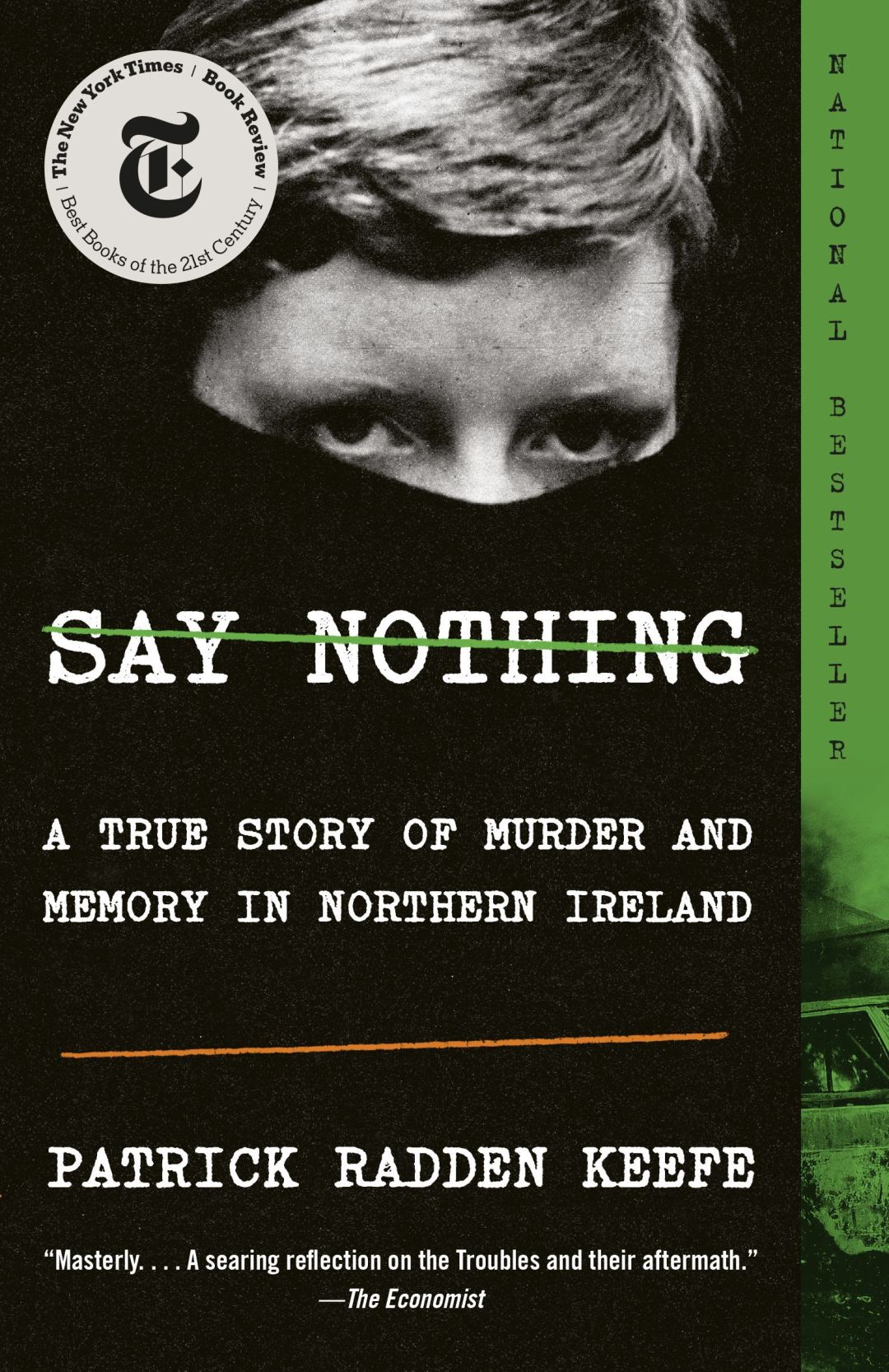
Image: Courtesy Photo
How do you convince reluctant people to talk to you?
"It’s different with everybody, and that’s part of what I love about the job—there’s never a dull moment. One moment I’m talking to a professor, the next to someone who works for a drug cartel. With each of those people, you have to find the dynamic, something to relate to them on.
"Sometimes people don’t talk at all. I’ve written big stories about people who didn’t want to play ball, period. None of the Sacklers talked to me. To me, that’s a challenge. I talked to their housekeepers, their college roommates, their doormen and yoga instructors. If you talk to enough people, you can paint a pretty compelling picture of the person who won’t talk to you. Reality TV producer Mark Burnett didn’t want to talk to me [for another story], but he had two ex-wives who did. I got a pretty interesting picture from talking to them."
You do such exhaustive research. Do you have any help with that?
"I sometimes use assistants in a limited way; they will pull things from archives for me or do some documentary research. Not so much in New Yorker articles, but in my books. I would never let someone else do an interview for me. I take this work seriously. We always hear that journalism is in decline, and there’s a sort of sense there’s less power. I think there’s still a lot of power in journalism. When I write these articles or books, hundreds of thousands of people read them, and I feel I need to exercise that power carefully. People have to be able to look at me and know, this is the guy who’s gonna produce the article. It’s my byline. If they have a problem, I’m the guy they call."
Speaking of those readers, what kinds of feedback do you get?
"I’ve been on a book tour for basically six months, and it’s amazing the feedback you get. With London Falling, I’m hearing from a lot of parents who read the story of Zac as kind of an allegory for raising a young person today, but also from young people on what it’s like to grow up in this world. And when you publish, you run into all these people you wish you knew about when you were working on the story.
"Andy Baker is a gangster I spoke to for London Falling. He was out of prison for a while; then he got thrown back in. He calls me from prison in Wales, and so I actually went and did my first book signing in a maximum security prison there, my Johnny Cash moment. I was talking to guys who were spending the rest of their lives in prison. They’re not supposed to have phones there, and it probably makes them better readers.
Are you working on something new now?
"It’s a bit of a struggle right now. I was in Texas over the weekend, got home late Sunday night, did a talk in Manhattan last night. It’s tough to get the reporting in there, if you develop a relationship with somebody and they’re starting to open up, and then I have to disappear for 10 days.
"But I do have three things on the go. One is a new book I can’t really talk about, an amazing true story set partially in the U.S. and partially in Central America. I have a new podcast coming soon, and we are turning London Falling into a TV series. That’s in the very early stages. [Another book, The Snakehead, is also in development for television.]"
Anything else you’d like to mention?
"Libraries. It took me many years to finally start writing for The New Yorker; it was a big dream of mine. And I first discovered The New Yorker in my high school library. Libraries matter a lot to me. They’re part of the reason I’m doing what I do in life. So it’s great to come down [to Sarasota] and support libraries and books."
Patrick Radden Keefe’s appearance at the Library Foundation luncheon takes place at 11:30 a.m. Feb. 5 at The Ora. For ticket information, call (941) 404-3139 or go to click here.