



Sarasota Orchestra Music Center Tunes Up
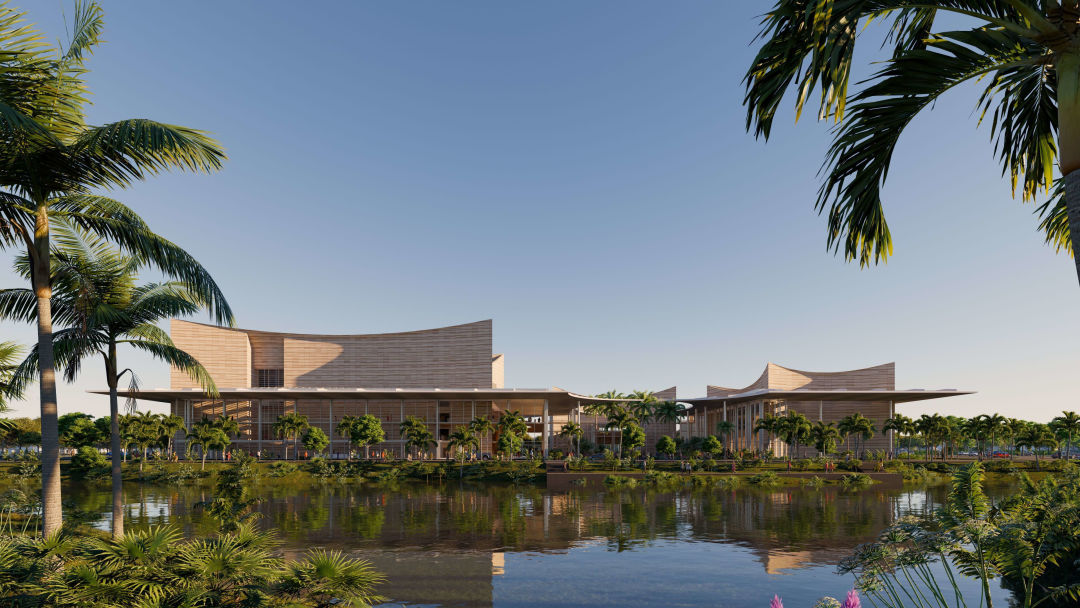
Image: Courtesy Sarasota Orchestra
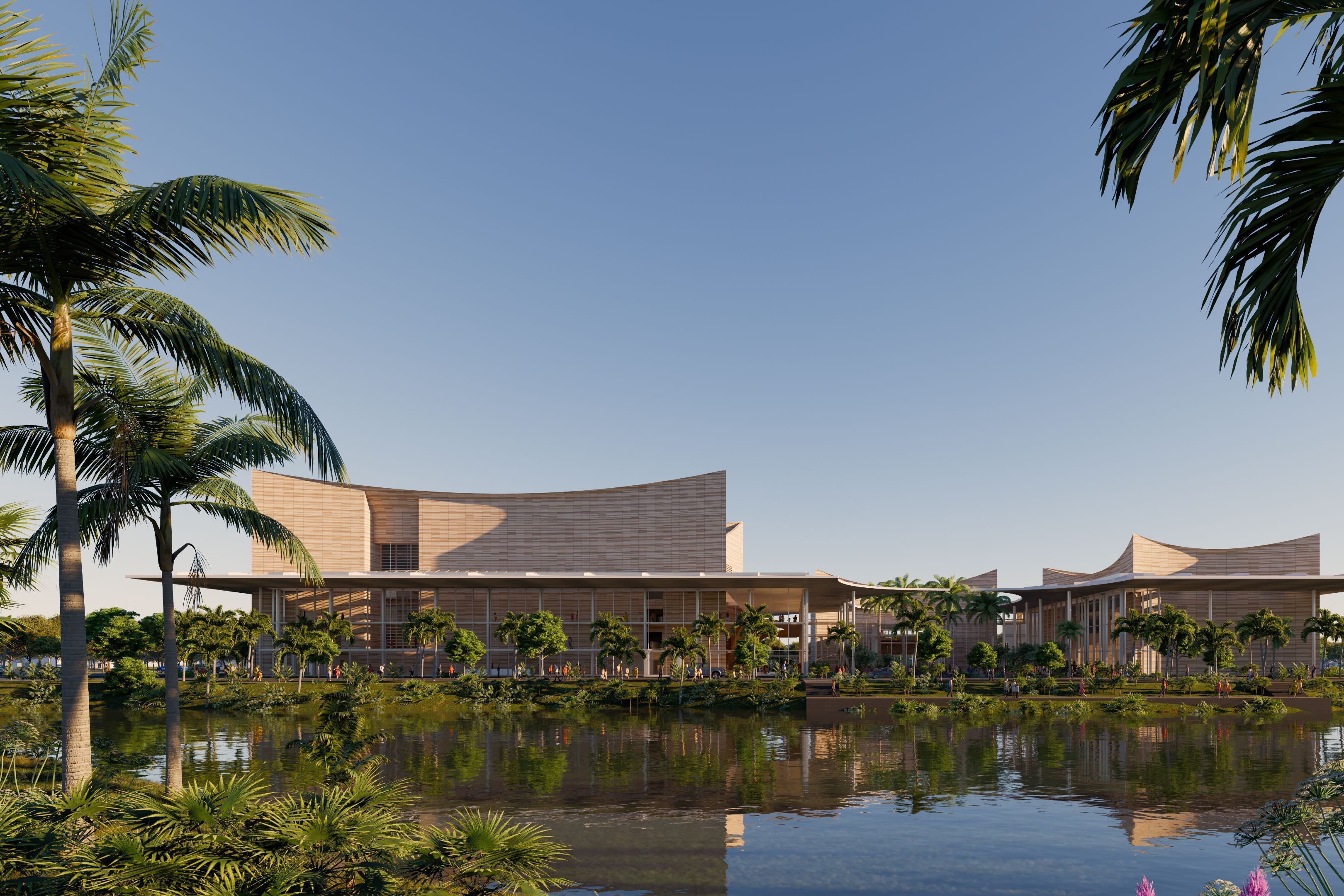
The Sarasota Orchestra has been making plans for a new Music Center for about a decade—working behind the scenes to create designs, seek donors, and build support. Now they’re taking their show on the road, presenting to audiences around town updates on their progress.
Case in point: Thursday’s event at Architecture Sarasota’s McCulloch Pavilion, in the organization’s “Future Landmarks” series. That venue makes sense, as the plans for the new center are very much in keeping with Sarasota School of Architecture principles, which Architecture Sarasota celebrates.
On hand to offer insights into the center’s progress were Sarasota Orchestra president and CEO Joe McKenna, music director Giancarlo Guerrero, Cultural Strategic Partners principal Matt Edwards, and William Rawn Associates principal Cliff Gayley. William Rawn are the architects for the estimated $325 million to $475 million project, with help from HKS architectural firm and OJB landscape design firm.
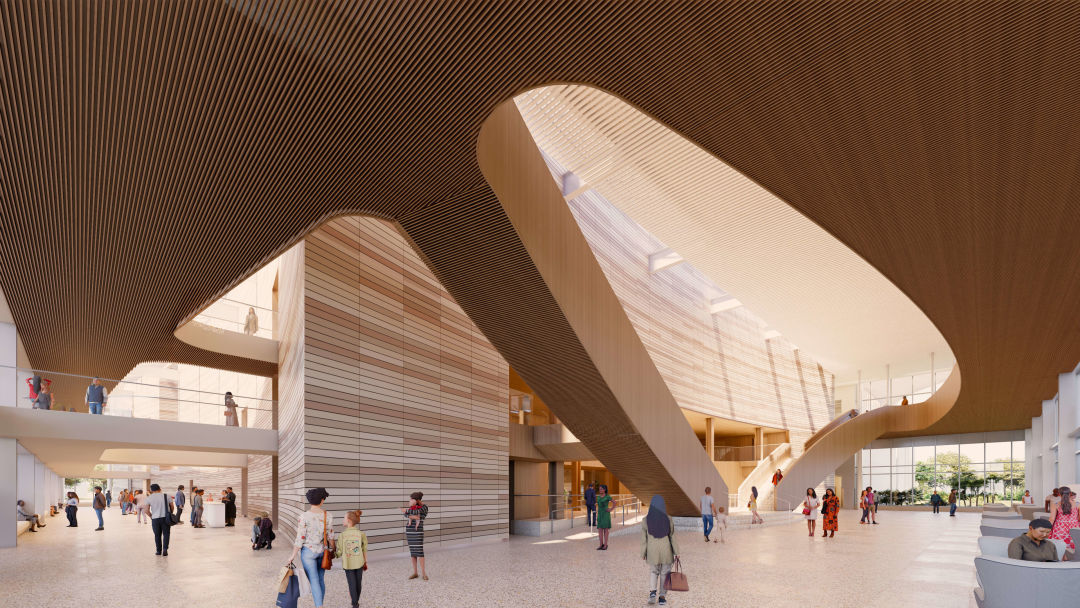
Image: Courtesy Sarasota Orchestra
But while looks in design are important, one thing McKenna stressed to the audience was that acousticians were the first hires by the orchestra. Stages Consultants were brought in early to make sure the center’s acoustic designs fulfilled the orchestral needs not met by the Van Wezel Performing Arts Hall, where the full orchestra currently performs many of its concerts. Also crucial to the early planning: resilience and mitigation, in light of flooding and storm impact along our coastline from Hurricanes Helene and Milton in 2024. The current design for the new center elevates the buildings to 26 feet above sea level, well above requirements, and offers various ponds for flood mitigation as well.
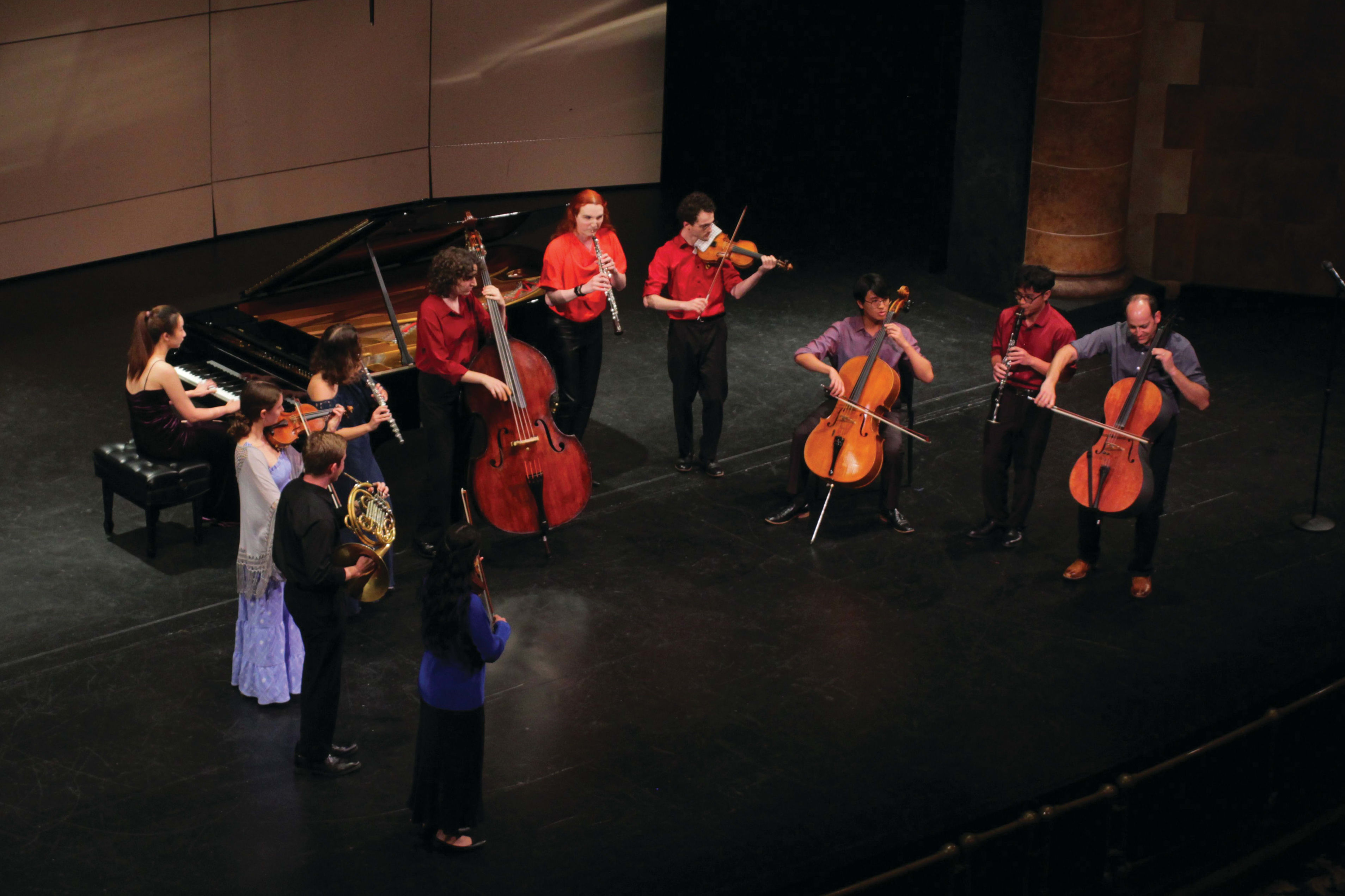
But while all of that is the important meat and potatoes of the project, it’s more fun to hear from the enthusiastic Guerrero about how the center will greatly improve experiences for both musicians and audiences. Guerrero has also been involved in the project from early on, and he mentioned that while he’s played in concert halls of great distinction across the globe, many of those halls are 150 to 200 years old. “We’re building for the 21st century,” he told the audience. “The concert hall is an instrument, too. You don’t know how good the orchestra is” until it’s heard in the new hall.
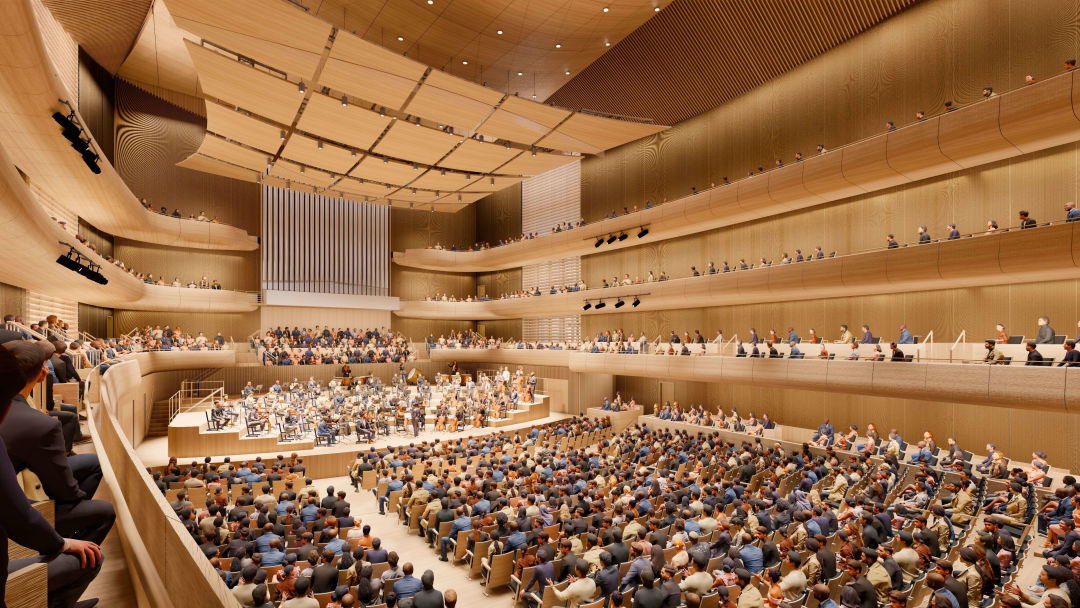
Image: Courtesy Sarasota Orchestra
Guerrero also emphasized that the orchestra “is not your grandfather’s orchestra, and it shouldn’t be. Music of every genre will be celebrated” in the new center.
Sharing images of the nearly 32-acre site on Fruitville Road near I-75, where the center will be built, the speakers first looked back to earlier Sarasota School of Architecture buildings in Sarasota by the likes of Paul Rudolph and Victor Lundy, explaining that the design of the center is “sculpted to embrace the sun and movement, with excellence in acoustics and sightlines.” Also heavily emphasized: the center’s education wing, which will hold equal prominence with the larger concert hall (up to 1,800 seats) and the smaller recital hall (700 seats), allowing the orchestra’s education programs to expand far beyond what they are able to achieve in their current home at Holley Hall.
Architect Gayley joked that, “We didn’t want to be a Sam’s Club for music” in explaining how, while the venue will be visible from the road, parking will be spread throughout and more tucked away in the landscape, not leading to a big, barren-looking lot. “Light lyricism” is the key phrase used to describe how indoors and outdoors will live together, with nature integrated into the equation.
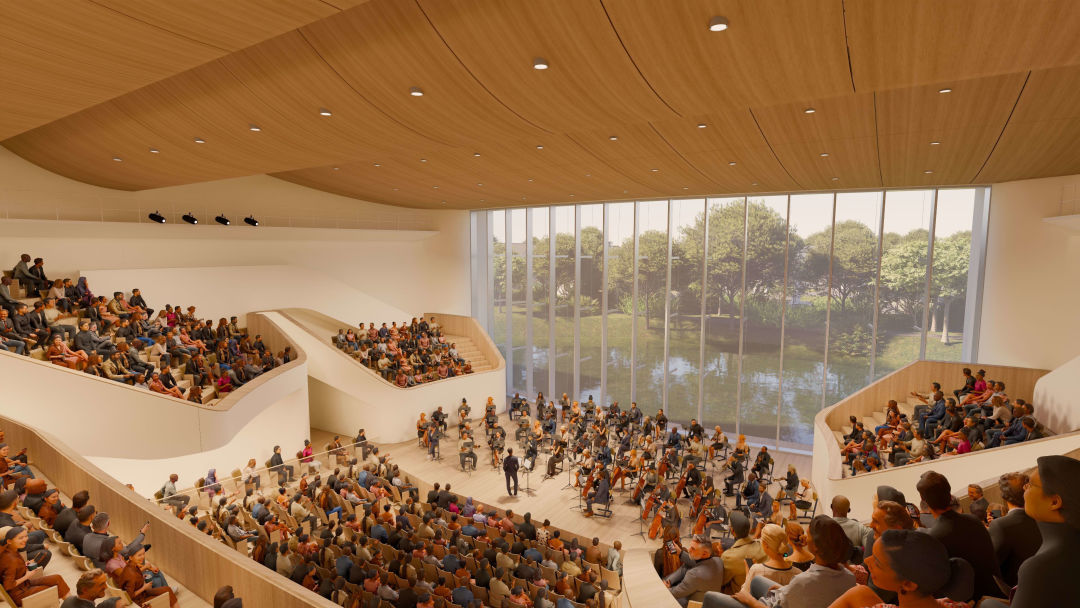
Image: Courtesy Sarasota Orchestra
“You don’t just listen” when you attend a concert, said Guerrero. “It involves the five senses, the light. You first catch it with your eyes.” And, since the hall design doesn’t include a proscenium arch, the stage is more visible to all in the audience, not just the first rows. “The orchestra is in the same room with you,” is the way Guerrero put it.
Practically speaking, cross aisles and more space between rows will make for easier access for patrons. The main hall will also boast 50 wheelchair seats—more than just about any hall the team knows of.
The new center, Guerrero promises, “is a collection of all my favorite halls in the world.” Construction is expected to begin sometime next year, with an opening date in the 2029-30 season.
For more information on the new music center, visit sarasotaorchestra.org/musiccenter. For more on Architecture Sarasota’s programs, including the “Future Landmarks” series, go to architecturesarasota.org.