



Sarasota's Skyline Rose in Stucco and Barrel Tile

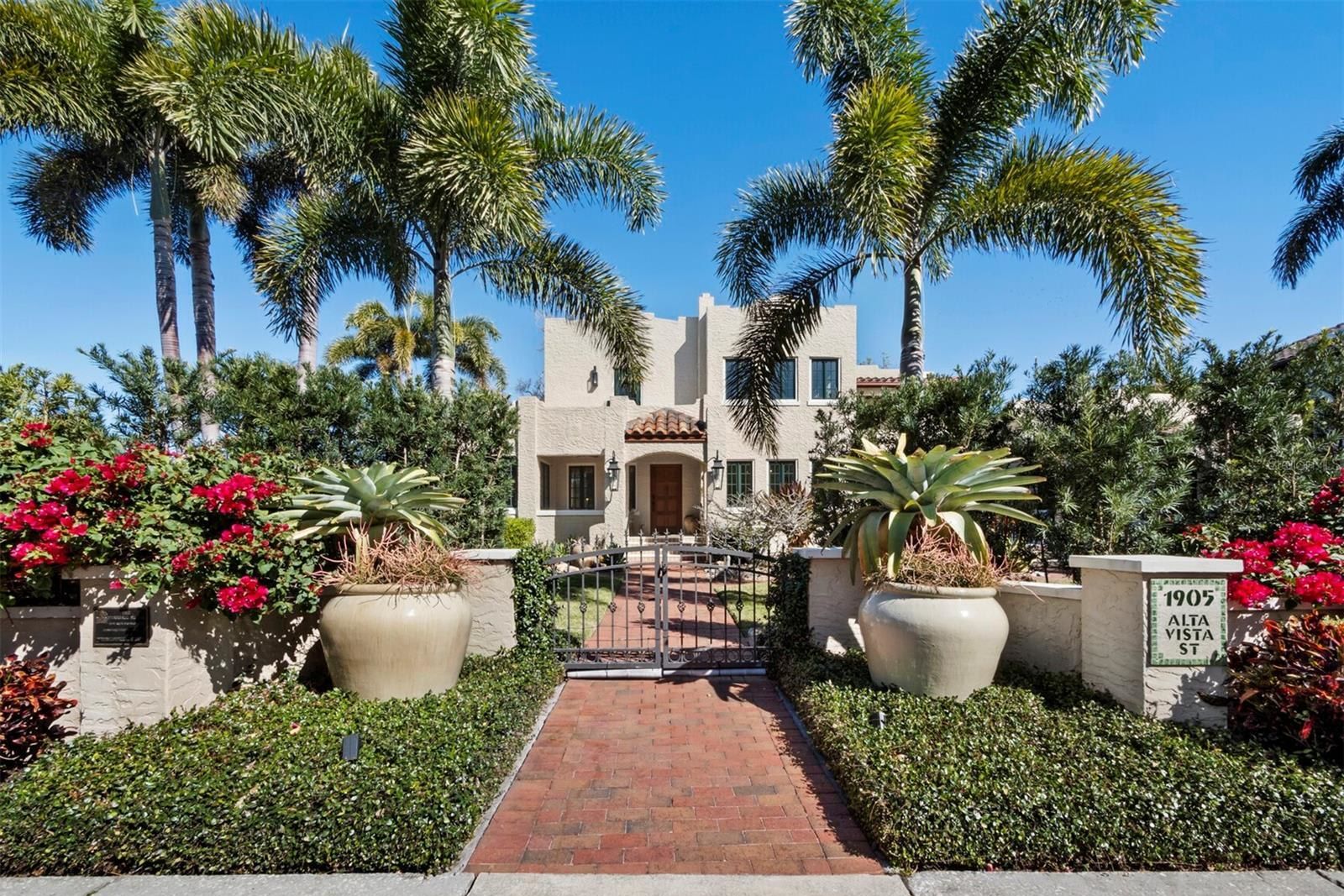
In the 1920s, Sarasota’s skyline rose out of the Florida Land Boom in stucco and barrel tile, importing the Mediterranean Revival style as both a sales pitch and a reference to European glam. Dwight James Baum, a New York architect, gave us our enduring monuments: Ca’ d’Zan, the Venetian-Gothic fantasy completed for John and Mable Ringling in 1926; the Sarasota County Courthouse; and the Broadway District buildings that included the El Vernona Hotel and the Broadway Apartments—now the Belle Haven—all commissioned under the vision of developer Owen Burns.
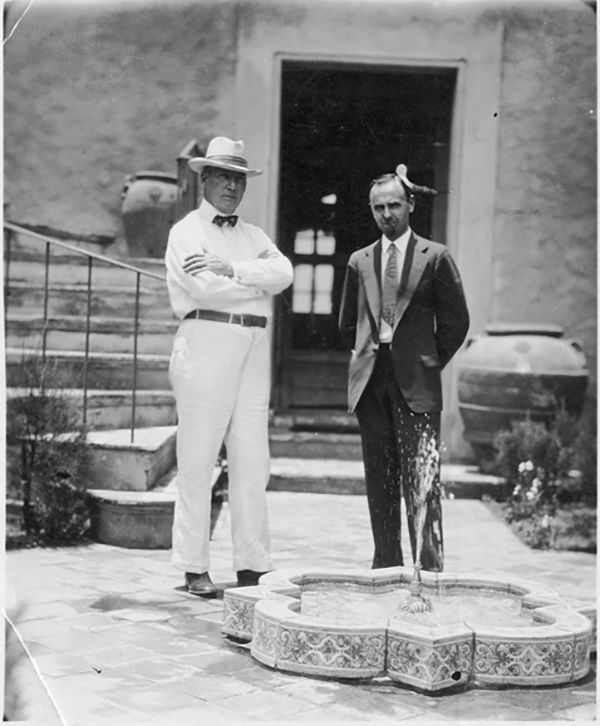
Image: Courtesy Photo
Thomas Reed Martin, a Wisconsin-born architect once linked to Frank Lloyd Wright, worked at a smaller scale, creating Burns Court in 1924-25, a neighborhood of stucco bungalows likewise financed by Burns. Addison Mizner, the celebrity architect of Palm Beach, briefly lent his name to Sarasota promotions, though none of his designs were built. Ralph Twitchell first arrived in late 1925 as Baum’s supervising architect at Ca’ d’Zan, commuting seasonally until settling permanently in 1936; his early immersion in Mediterranean motifs would later serve as a foil for his mid-century modernism.
Together, these architects—and Burns, the developer who backed much of their work—left Sarasota with a built environment that was theatrical and forever marked by the speculative optimism that evaporated when the boom went bust in 1926.