



The Makings of a Florida Cracker Cabin
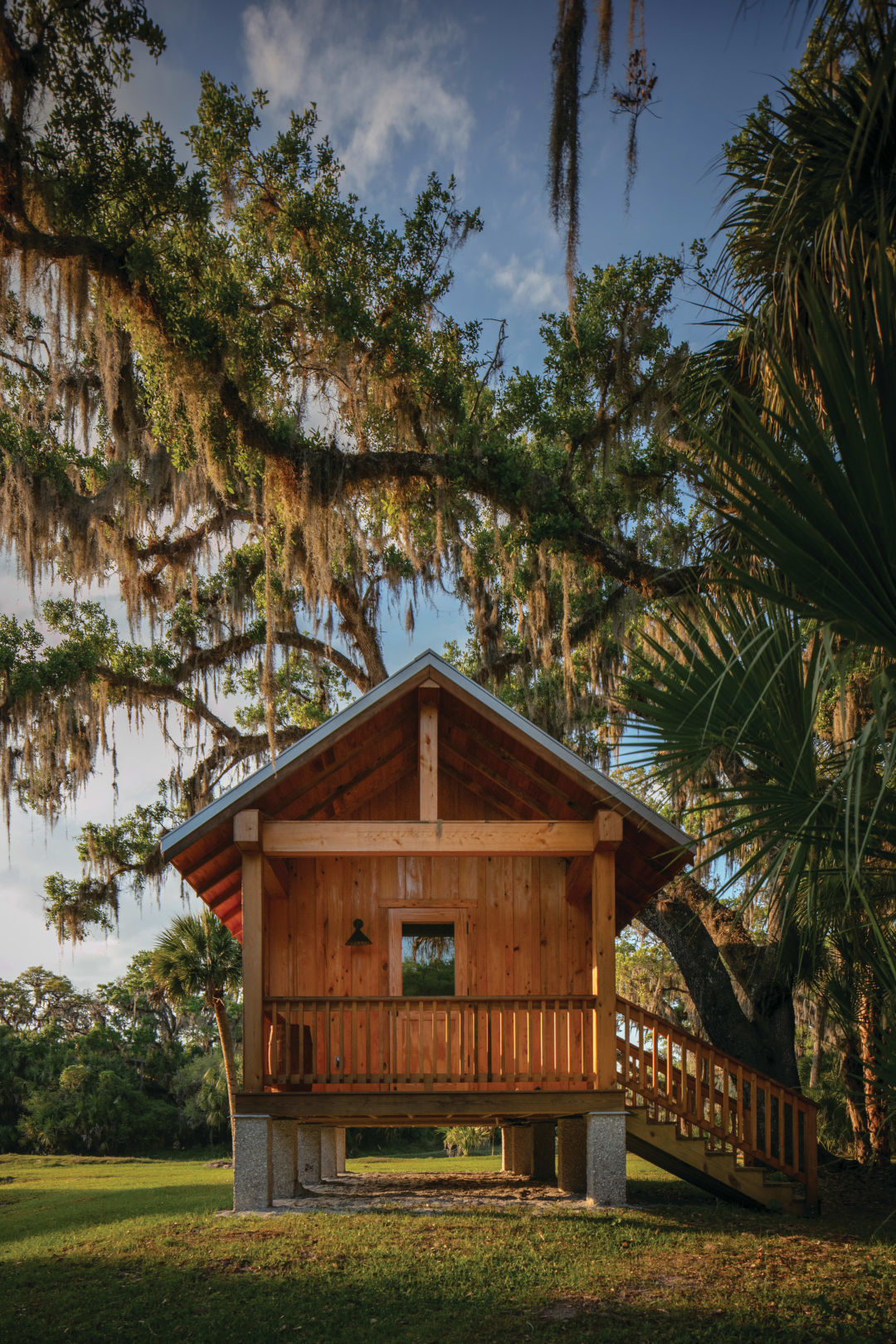
Image: Ryan Gamma
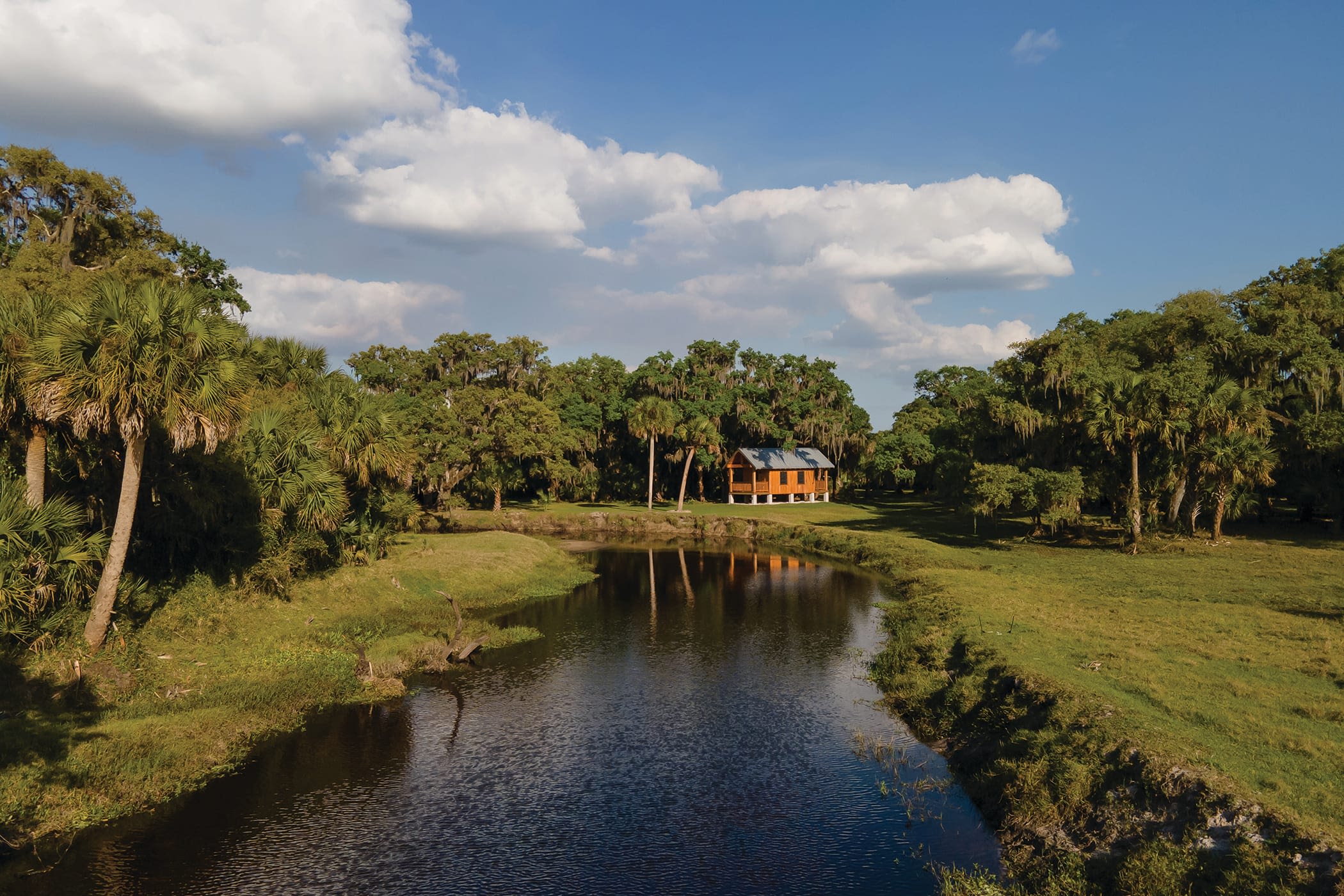
Traditionally, one-room Cracker cabins were made from native tall pines or pecky cypress—known for being rot and pest resistant—and were built to adapt to Florida’s heat, humidity and heavy rainfall.
The 18th- and early 19th-century architecture reflects the importance of ventilation and shade, with homes designed with high ceilings and large windows to allow breezes to move freely through the house. The cabins’ signature wraparound porch provided a shaded outdoor living space while protecting interior rooms from direct sun and rain, aided by steeply pitched roofs of metal or wooden shingles.
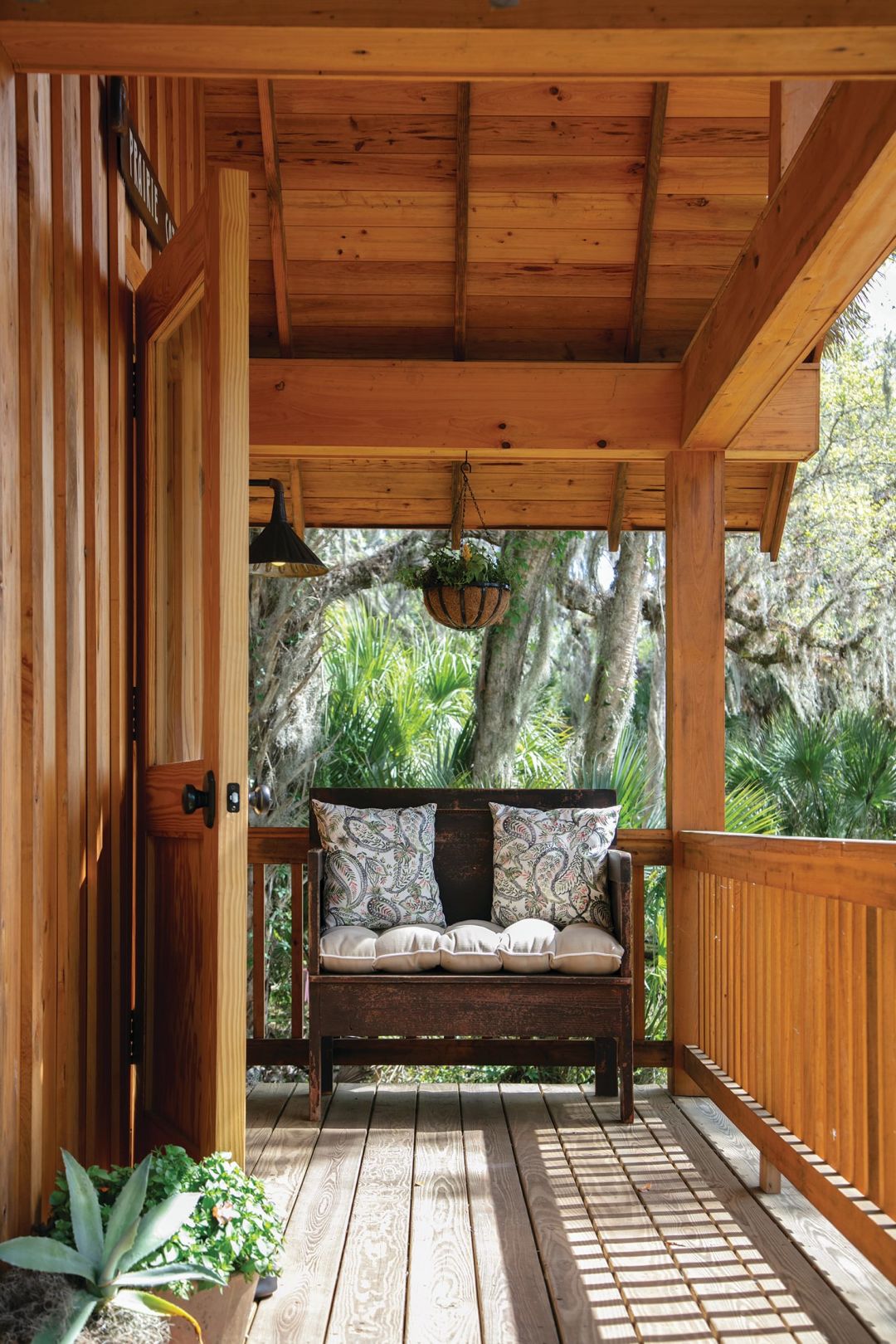
Image: Ryan Gamma
Homes were often raised from the ground on stilts, which lifted them above damp ground, allowing air to circulate beneath the floor. This helped cool the house and reduce moisture-related damage. While wooden stilts were the most common for elevating Cracker cabins, tabby concrete was used, too. It’s made from a mixture of lime, sand, water and crushed oyster shells, and has been used in Florida architecture since Western colonization.