





Sarasota City Manager’s 100-Day Report Sparks Discussion About Commission Procedures

Image: Courtesy Photo
Sarasota City Manager Karie Friling's first 100 days on the job earned enthusiastic reviews from city commissioners at a workshop Monday, Oct. 26. Her plans for economic development, better communication, financial oversight and long-term planning were largely welcomed.
But the praise came with a page-numbered exception.
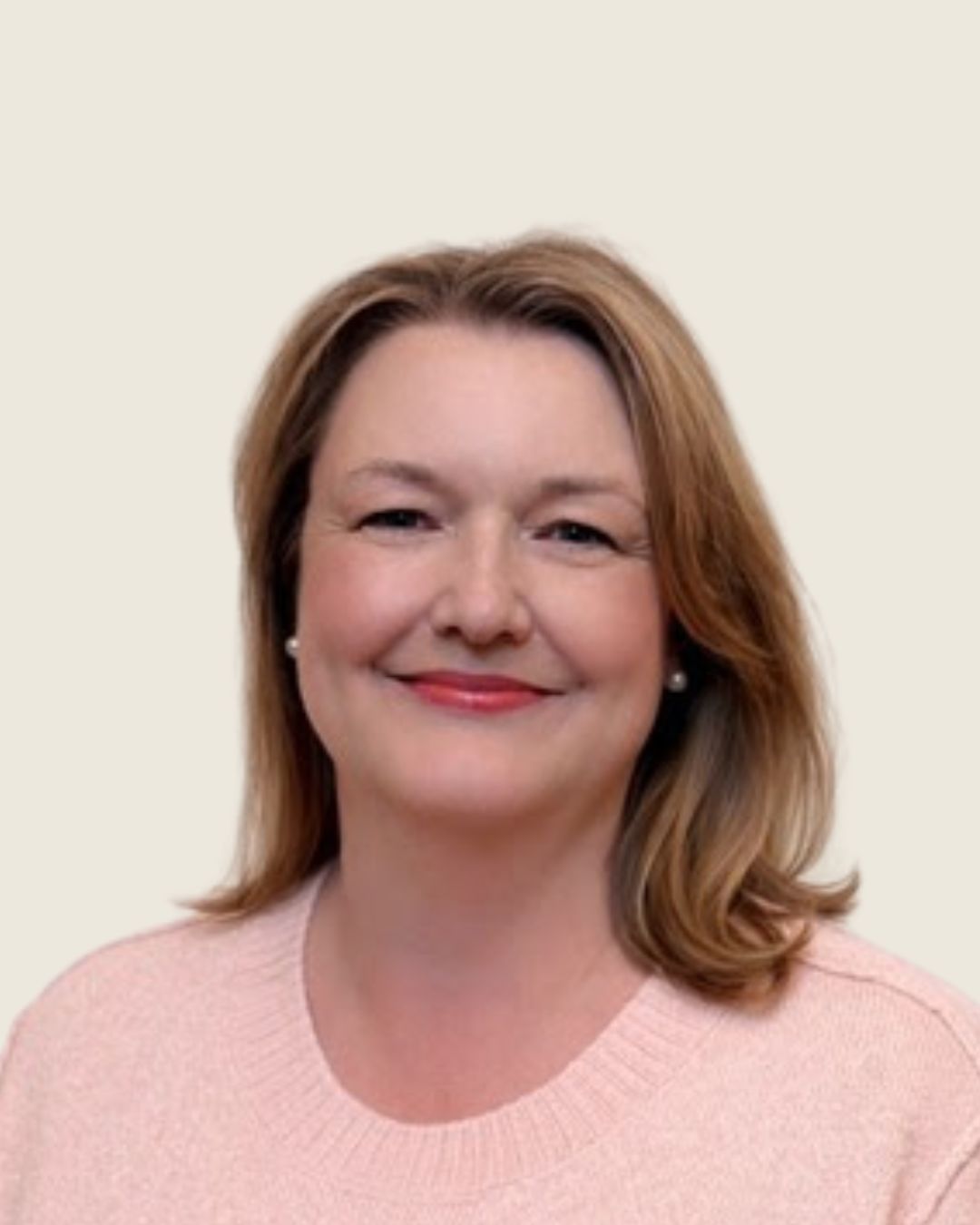
Image: Courtesy Photo
Pages 11 and 12 of Friling's report contain seven recommendations for changing how commissioners conduct business. By the end of the workshop, Mayor Debbie Trice was calling them "the dreaded pages 11 and 12."
Commissioner Jen Ahearn-Koch was more direct.
"I think you did an excellent job, with the exception of pages 11 and 12," she told Friling.
Those pages, part of a report titled "From Listening to Action," propose changes to when residents can address commissioners, how individual commissioners add items to meeting agendas and how they request information from city employees.
The question is whether those changes would make government more efficient without limiting residents' access or commissioners' independence.
When Can Residents Have Their Say?
Under existing procedures, residents generally have three minutes to address commissioners when eligible agenda items come up for consideration, before decisions are made.
Friling proposes moving comments on ordinary legislative items to public-comment periods at the beginning and end of meetings, rather than allowing residents to speak when those items are considered. Legally required public hearings would still allow testimony.
Her reasoning is practical. Commission meetings can stretch for hours, leaving residents waiting much of the day to speak. Designated comment periods could let them make their points and leave.
The trade-off is timing. Someone concerned about a parking regulation, for example, might have to speak before hearing the staff presentation or commissioners' discussion.
Friling's proposal also doesn't specify whether the existing 30-minute limits on general public-comment periods would be extended to accommodate additional speakers.
Her report also calls for greater neighborhood engagement and reaching people whose work schedules or family obligations keep them away from City Hall.
In an April interview with Sarasota Magazine, before taking office June 1, Friling said, "When I get there in June, my job will be to listen."
"Public participation is essential, but participation doesn't always mean representative," she said Monday, observing that some residents regularly attend meetings while many others cannot.
Ahearn-Koch, meanwhile, spent several minutes explaining the opportunities residents already have to participate.
She described the city's Zoom option, which lets residents address commissioners remotely, and recalled previous attempts to make meetings more accessible.
Daytime meetings can be difficult for people who work traditional hours. But evening meetings created problems for parents, shift workers and city employees.
"No matter what we do, we're going to exclude somebody who's working or their timeframe doesn't fit this," Ahearn-Koch said, adding that the current daytime schedule also helps avoid overtime expenses.
City Auditor and Clerk Shayla Griggs added that although residents are asked to register for Zoom participation by 5 p.m. the Friday before a meeting, her office has accommodated later requests, including some received the morning of a meeting.
Ahearn-Koch suggested making that flexibility better known.
"We value those who do participate, but we also want those who feel like there is some barrier to know that we will do everything we can to reduce that barrier," she said.
Who Gets to Set the Agenda?
Friling's other recommendations could change how individual commissioners bring issues forward.
She wants commissioners to obtain collective support and take a formal vote before adding an item to a future agenda. Major work assignments or changes in priorities should also come from the commission as a whole, rather than individual members.
She recommends routing requests for staff information through the city manager's office instead of directly to departments.
The goal is to manage a workforce already stretched by hurricane recovery, everyday services and nearly two years without permanent executive leadership. Every new request takes time away from other responsibilities, Friling wrote.
The changes could help departments manage competing demands, but also raise questions about how individual commissioners would pursue concerns from constituents that haven't yet won broader support.
Friling also acknowledged that the commission, not the city manager, has authority over its procedures.
"This is your responsibility, not mine. This is your lane, not my lane," she told commissioners.
Her goal, she said, is to help commissioners work together while preserving public access and time for debate.
She also suggested combining two lists of routine government business into one, encouraging commissioners to submit technical questions before meetings and reinforcing respectful debate.
Ohlrich, who welcomed Friling's plans for strategic planning and organizational improvements, offered no detailed assessment of the procedural proposals.
"[We'll deal with] adding to the agenda and other commission rules another time," she said. And that was where the matter rested.
Praise, with an exception
The disputed pages didn't overshadow the commission's generally favorable response.
Ahearn-Koch praised the proposed return to comprehensive strategic planning and Friling's recognition of parks as essential infrastructure.
Ohlrich welcomed better coordination between departments, although she reminded Friling that District 3—which covers the most eastern parts of the City of Sarasota, including most areas east of U.S. 301—deserves attention alongside Newtown when it comes to discussing underserved areas.
Commissioner Kyle Battie praised Friling's community engagement and attention to Newtown, while Commissioner Liz Alpert raised concerns about vacant Main Street storefronts. Friling said the city was seeking proposals from companies that could help study the market and recruit businesses.
Trice, who pointed out that she wouldn't be on the commission when the procedural recommendations are discussed, had a suggestion of her own: Schedule complicated public hearings earlier in the day.
Under the current arrangement, she observed, commissioners often handle easier matters in the morning and tackle difficult ones when everyone is exhausted.
What Happens Next?
For now, nothing changes.
Monday's meeting was a workshop, where commissioners can hear presentations, ask questions and discuss proposals but cannot take formal action. Public comment generally isn't allowed at workshops, either.
Friling said that if commissioners want to pursue her recommendations, she'll return with specific proposals for public review and formal consideration. Until then, the city's existing public-comment procedures remain in place.