




Sarasota County Launches First-of-Its-Kind Malaria Surveillance
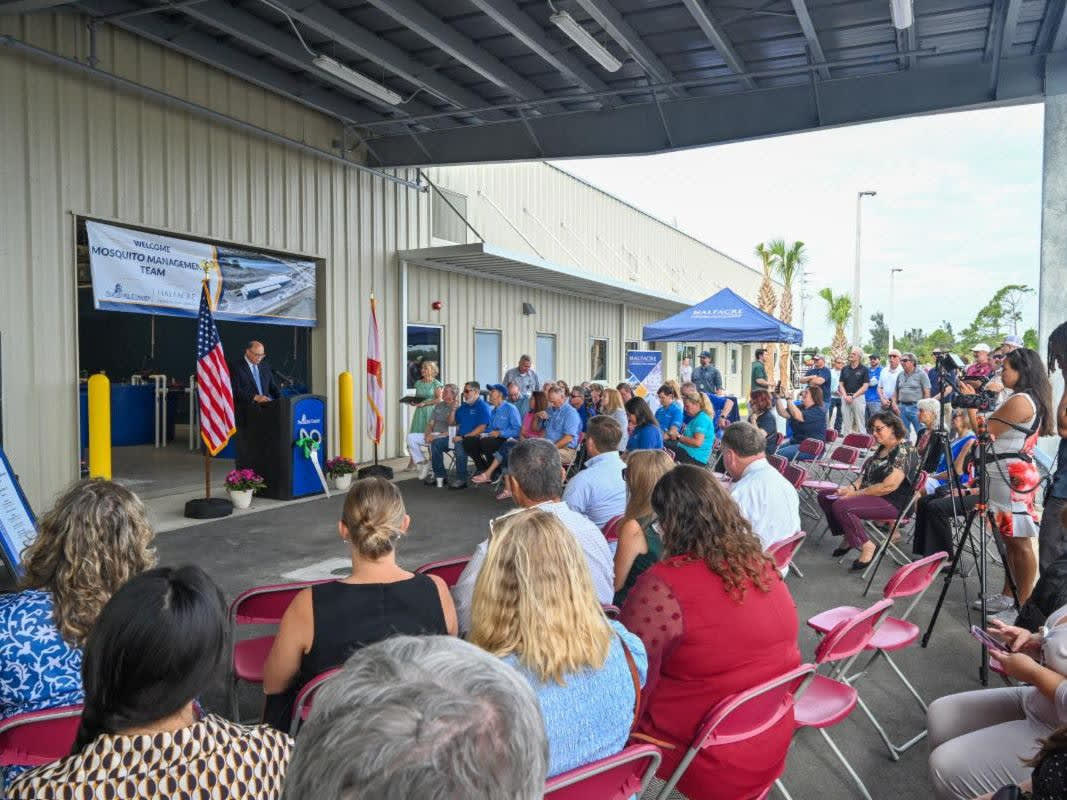
Image: Courtesy Photo
Inside a sleek new facility tucked near I-75 in Nokomis, Sarasota County is confronting one of Sarasota’s least glamorous—and most critically important—realities: mosquitoes.
The unveiling of the county’s state-of-the-art mosquito management facility comes three years after a rare cluster of locally acquired malaria cases that put Sarasota in the national spotlight. At the time of the outbreak, the division worked around the clock implementing intensive, targeted control measures and was able to successfully trap three infected mosquitoes, a notoriously challenging achievement. As a result of rapid collaboration with the county, the Centers for Disease Control and Prevention (CDC) was able to develop a new genetic sequencing tool that allowed them to confirm the cases originated in central South America.
Now, instead of waiting for infected humans to trigger intervention, Sarasota County Mosquito Management will be conducting the first malaria surveillance in the state, if not the country. Traditionally, malaria surveillance is handled reactively by the CDC during active outbreaks. Sarasota hopes to shift that model toward prevention.
“It’s not just a new building,” said Sarasota County health officer Chuck Henry at the ribbon cutting. “It’s a new tool. Every detail is designed to strengthen both our mission and protect the residents of the community.”
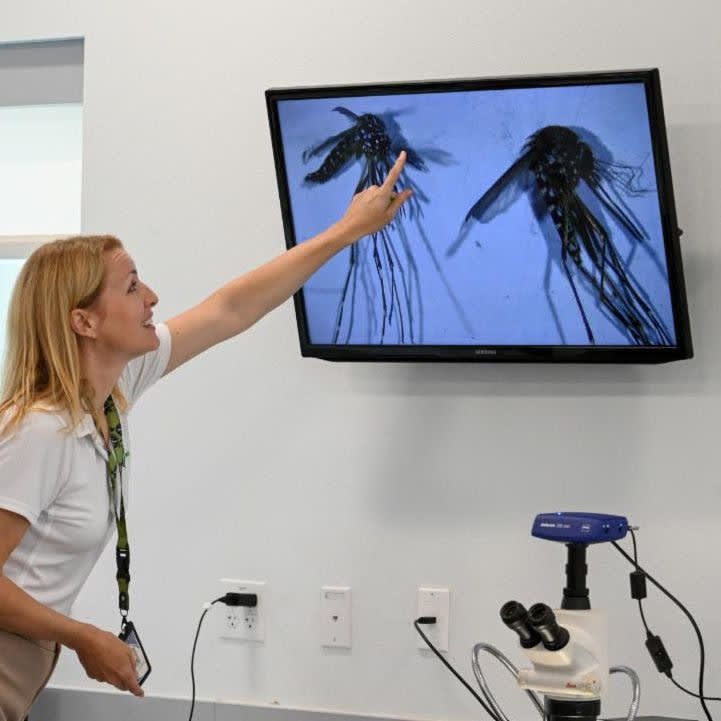
Image: Courtesy Photo
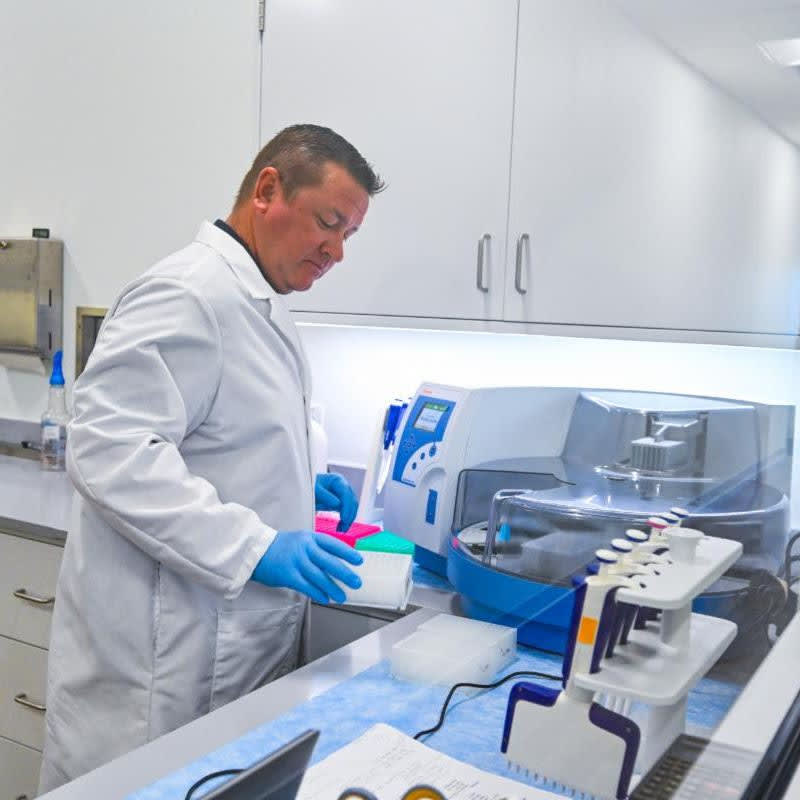
Image: Courtesy Photo
The 19,600-square-foot building features a laboratory with a viewing window for educational purposes, an aquaculture facility, a bio-filtering bog, climate-controlled storage for pesticides and covered parking for a fleet of specialized mosquito control vehicles.
But the new headquarters is about far more than malaria. Mosquitoes in Florida are capable of carrying a plethora of illnesses including West Nile and Zika, both of which become increasing concerns as warmer temperatures and heavier rainfall create ideal breeding conditions. The expansion also allows the county to scale up some of its most powerful prevention programs, like its mosquitofish operation, one of the largest and most advanced in Florida. The small freshwater fish naturally feed on mosquito larvae and are distributed into retention ponds and other bodies of standing water throughout the county as a chemical-free method of mosquito population control.
The division also maintains 12 flocks of sentinel chickens stationed across the county who are routinely tested for antibodies that can indicate the presence of mosquito-borne illnesses circulating in the environment, functioning as an early warning system for potential outbreaks before they spread to humans. Crews use drones to apply larvicides in difficult-to-access marshes and flooded woodlands, while trapping systems and laboratory testing help pinpoint which mosquito species are active, where they’re breeding and whether they may be carrying disease.
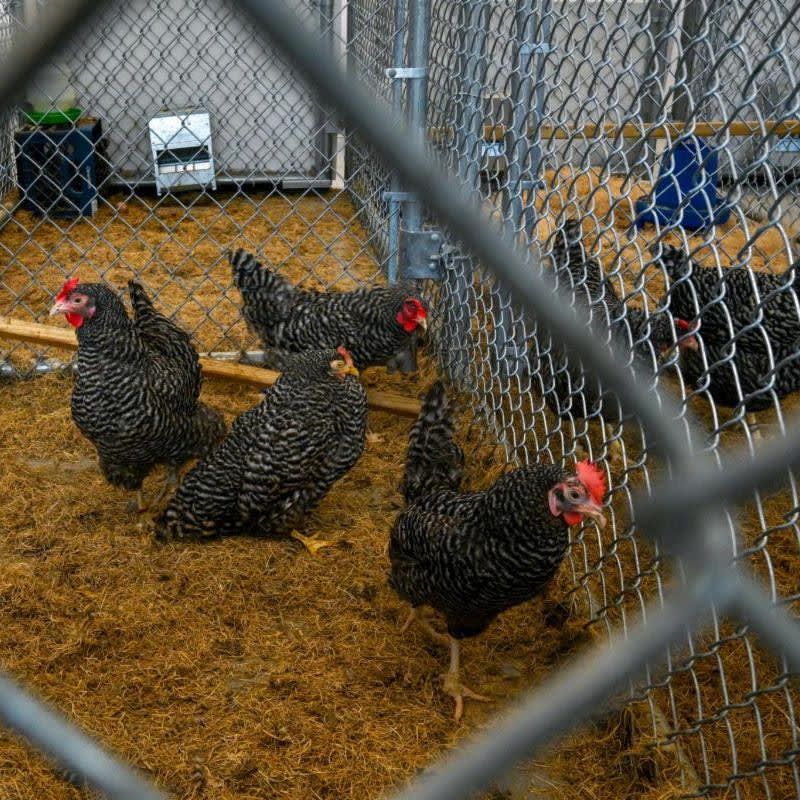
Image: Courtesy Photo
Still, county officials stress that even the most advanced technology can only go so far without public participation. The mosquitoes most likely to spread illnesses often breed not in distant swamps, but in residential backyards—in clogged gutters, flowerpots, birdbaths, tarps and forgotten containers holding even the most miniscule amounts of standing water. Ultimately, residents are the first line of defense, which is why the county continues to emphasize its “drain and cover” message: drain standing water whenever possible and protect yourself with repellents and protective clothing, especially at dawn and dusk when the insects are most active.
By moving from a reactive stance to a preventive surveillance model, the facility provides a layer of security that benefits both the local community and the broader field of public health. While the technology inside the new building represents a significant step forward, the success of the mission still rests on the continued partnership between the county’s scientists and the residents they serve.
You can learn more about mosquito management in Sarasota County by visiting its website.