



Who Chooses What You See in an Esports Broadcast?
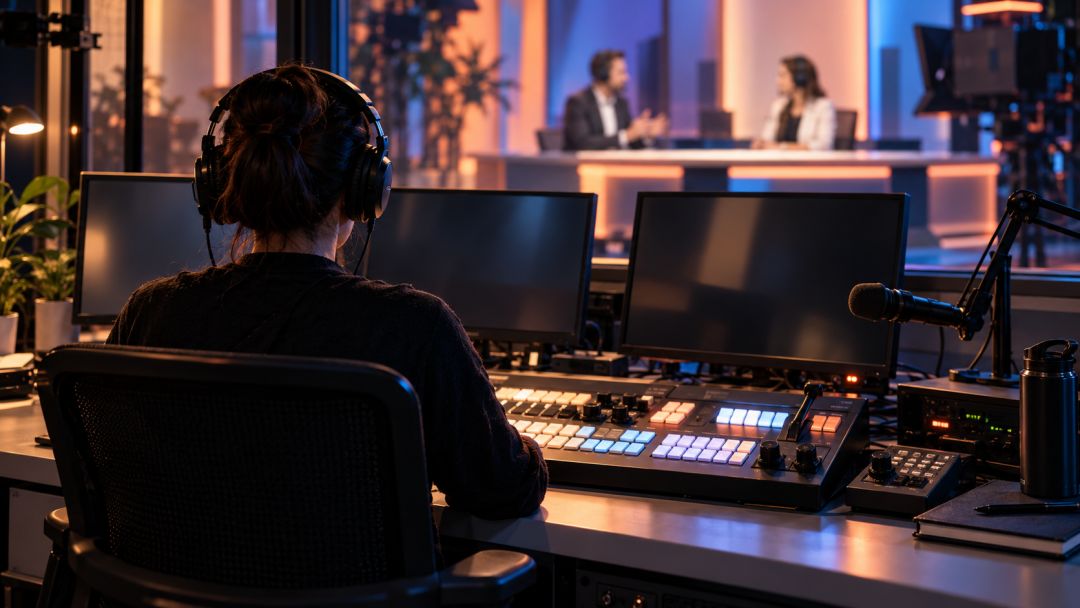
Watching a competitive video game means following action that does not stay in one place. A Counter-Strike broadcast moves between views inside the game, then gives way to discussion away from the match. The players make their own decisions throughout. The audience receives a selected account of those decisions, shaped by the pictures shown and the explanation around them. Someone has to turn simultaneous activity into a sequence that viewers can follow.
That work begins with the observer. In a June 2025 Raidiant interview about observing, observer Heather “sapphiRe” Garozzo describes the role as an in-game camera operator. Observers use virtual cameras to show the action rather than filming it with physical equipment. A separate part of the production happens around the game, where hosts and analysts discuss the competition and connect individual moments to the wider match.
The 2026 Thunderpick World Championship combines online Counter-Strike series and a closed qualifier with a LAN finale in Malta, where competitors play at a shared venue. Across a tournament, the immediate action sits within a longer competitive story. Individual matches produce results, and those results determine how the event progresses. Following both involves different kinds of explanation: the gameplay picture directs attention to decisions being made, while discussion connects the performance with the competition around it.
The camera inside the game
Players and observers work with the same game, but they are doing different jobs. Competitors make decisions with the aim of winning their matches; the observer chooses how to show their performance to an audience. Following the action as a participant and presenting it to people watching elsewhere require attention to different parts of the contest.
Garozzo describes the pressure of capturing important moments while they happen. Her account places responsibility for the visible action with a person, rather than treating the broadcast as an automatic recording of everything worth seeing. Selecting the picture involves judgment about which action to show.
She names ELEAGUE’s Boston Major and Cloud9’s win among her career highlights, describing the satisfaction of helping show a historic moment to fans. Her recollection connects the observer’s work with a recognizable competitive achievement. The players produced the performance; she contributed to how that performance reached its audience.
The word camera covers two different kinds of pictures in this setting. Physical cameras can record the people and venue surrounding a match. The observer’s virtual camera presents the competition inside the game. Looking at a person playing and looking at the play itself provide different information. Both belong to the event, but only the latter follows the action within its digital setting. This distinction keeps the observer’s job separate from filming presenters or competitors at their computers.
The explanation around the action
Seeing a moment does not settle what it means. A result records an outcome; explaining it requires attention to the decisions and relationships behind it. Viewers can recognize that something has happened without yet understanding how it connects to the rest of the match.
Counter-Strike desk host Freya Spiers describes the practical work behind that explanation in a September 2025 UKCSGO interview about hosting. Preparation involves the subjects that analysts want to discuss and how production can illustrate them. Production needs advance notice of the moments the desk intends to discuss, allowing the relevant footage to be prepared. The host can then connect an analyst’s explanation with pictures chosen to illustrate that point for the audience.
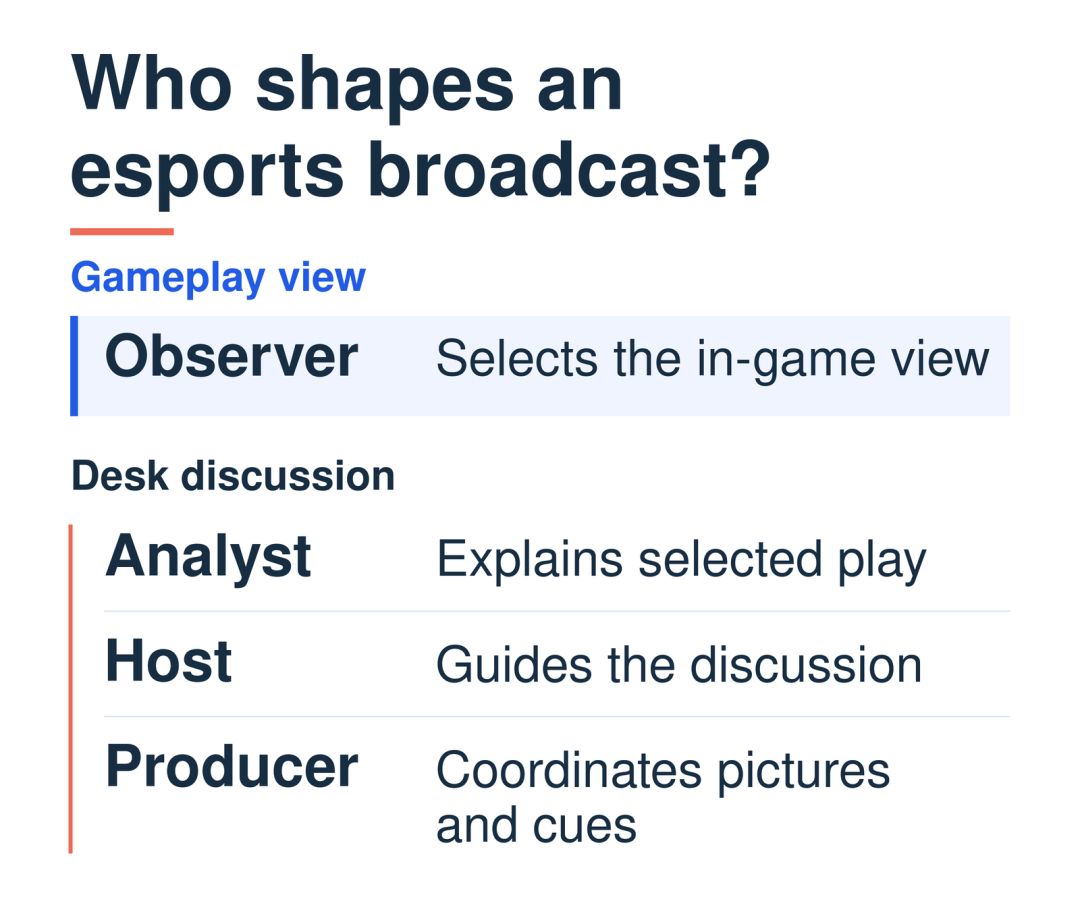
The analyst’s subject and the selected footage need to belong together. A clip supplies something visible for the discussion to examine. The host connects speakers and subjects, while production supplies the pictures supporting the explanation. That relationship gives a desk segment a purpose beyond presenting another collection of memorable plays.
Spiers prefers a connected account to a succession of rounds checked off in order. At BLAST Open London in September 2025, she identified M80’s progress from regional qualification to the playoffs as an interesting story. The playoff appearance was a result; the team’s route to it supplied context. Connecting those stages explains a specific achievement within the competition, rather than simply adding another result to a list.
A replay and an explanation serve different purposes. Repeating the picture lets the audience look again. Analysis interprets what is visible. Keeping those functions separate allows spectators to distinguish the recorded action from a speaker’s reading of it, without treating either as a substitute for the other.
The conversation viewers do not hear
Spiers describes a second conversation with the producer running alongside the discussion on screen. For her, trust in that relationship is central to the job. The visible exchange between host and analysts is therefore only part of the collaboration: the producer also helps connect what is being discussed with what the program is ready to show.
The audience experiences those contributions through the finished segment. A host’s question, an analyst’s answer, and the supporting footage can form one continuous explanation, although they involve different decisions. The connection between them determines whether the pictures and discussion address the same point.
Between matches, that discussion can return to completed action with the result already known. The competitors had to make their decisions before knowing how the contest would end. Looking back allows the program to examine those decisions from a different position. When play resumes, the observer’s view returns attention to the unfolding match, carrying the audience from explanation back into the competition itself.