




Best Gravel for Driveway Projects in 2026: Sizes, Layers and Costs
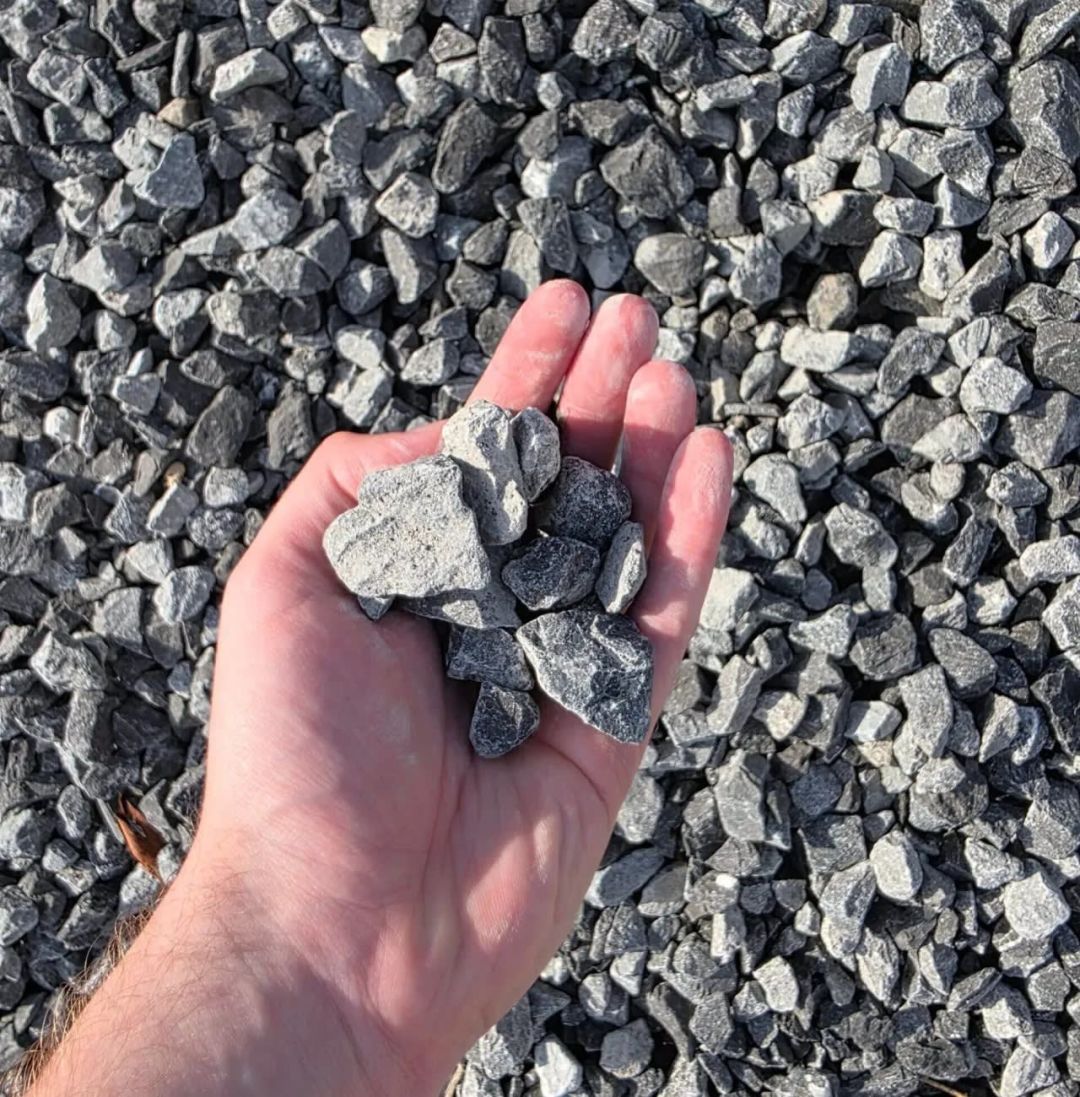
Image: Courtesy Photo
The best gravel for driveway projects is angular crushed stone, because its sharp edges lock together under tires and stay put. Round materials like pea gravel and river rock roll out of the tire tracks no matter how well you pack them down. In Florida, that crushed stone is often limestone, depending on the nearest quarry.
Which Gravel Type Should You Use for Each Layer?
|
Gravel Type |
Size |
Best Use |
Notes |
|---|---|---|---|
|
Driveway gravel / #57 crushed stone |
~¾", angular |
Surface layer |
Drains well, locks under tires |
|
Road Base / Crusher Run |
Mixed stone + fines |
Base layer |
Packs hard; compact in lifts |
|
1½" Crushed Gravel |
1½", angular |
Bottom layer on soft/wet ground |
Bridges weak subgrade |
|
Pea Gravel / River Rock |
Rounded |
Avoid for driving surfaces |
Better suited to foot paths |
How Does the 3-Layer Driveway System Work?
|
Layer |
Material |
Depth |
|
Subgrade |
Native soil, graded with a crown |
— |
|
Fabric |
Geotextile |
— |
|
Soft or wet ground only |
1½" crushed gravel |
Starter layer |
|
Base |
Road base / crusher run |
4–6", compacted in lifts |
|
Surface |
#57 crushed stone |
2–3" |
Start With a Firm, Crowned Subgrade
A crown means the center of the driveway sits slightly higher than the edges, so rainwater sheds to the sides rather than pooling in tire tracks. Before any gravel goes down, the subgrade, the native soil underneath, needs to be graded with a crown.
Lay Geotextile Fabric Before the Base
On sandy soil, this step is not optional. Without it, the gravel base slowly migrates down into the sand over time, and you lose depth and stability season by season. Geotextile fabric goes between the subgrade and the base layer. Use a woven geotextile rated for driveways, not thin garden fabric, which tears under load.
On soft or wet ground, lay a starter course of 1½" crushed gravel on top of the fabric, before the road base. It bridges soft spots and gives the road base something firm to sit on.
Compact the Road Base in Lifts
The base is 4-6 inches of road base, also called crusher run: crushed stone and fines that pack into a dense, hard layer. Compact it in lifts of about 2 inches at a time, because one thick layer won’t pack properly. This is the step most DIY projects rush, and it’s why some driveways develop soft spots and ruts within the first year.
Finish With 2-3 Inches of Clean Angular Stone
The surface layer is 2-3 inches of clean, angular driveway gravel, usually #57 crushed stone at about ¾", which drains well and stays firm. This is the layer tires contact every day, so it takes the most wear and needs occasional topping up. Plan on adding about 1 inch of fresh stone every year or two to keep the surface even.
What Does a Gravel Driveway Cost?
Image: Courtesy Photo
Material-only pricing and installed pricing are different numbers. Confusing them is the most common budgeting mistake. A delivered price per ton covers the material and hauling. An installed price per square foot covers excavation, grading, fabric, compaction, and labor on top of the material.
The table below uses installed cost estimates from HomeAdvisor's 2025 guides and is meant for project planning, not quoting.
|
Cost Item |
Gravel |
Asphalt |
Concrete |
|---|---|---|---|
|
Installed cost per sq ft |
~$1.25-$4 |
~$7-$15 |
~$8-$18 |
|
Upkeep |
Top up 1" every 1-2 years |
Periodic sealing and crack repair |
Low, but cracks over time |
|
DIY |
Manageable with a rented compactor |
Requires contractor |
Not practical for DIY |
For a rough material estimate: 1 ton of gravel covers about 100 square feet at 2 inches deep. A 12×50 ft driveway is 600 square feet, so a single 2-inch lift takes around 6 tons. A full three-layer build across the same driveway comes to roughly 14-21 tons across all materials
What You Need to Know About Gravel Driveways in Florida
Summer storm drainage is the dominant factor. A crown that sheds water to the sides, combined with a clean aggregate surface that drains quickly, matters far more than stone size for preventing washout and surface erosion.
Potholes are a drainage problem, not a stone shortage. Water pools where the crown has flattened or a ditch has silted up, so regrade the crown and clear the edges first, then fill the low spots with fresh stone. Do it the other way round and you’ll be filling the same holes after the next rainy season.
Sandy soil doesn’t give gravel anything solid to lock into. The geotextile fabric and a properly compacted road base determine whether the driveway holds up or needs rebuilding. Skipping either costs more to fix later.
Frequently Asked Questions
How deep should driveway gravel be?
Plan on 6-9 inches of compacted stone in total: 4-6 inches of road base under 2-3 inches of clean angular stone on top. On soft or wet ground, add a starter layer of 1½" crushed gravel underneath.
Is crusher run or #57 better for a driveway?
You need both, because they do different jobs. Crusher run has fines that pack hard, so it makes the base. #57 is clean stone that drains, so it makes the surface. Crusher run on top tends to turn muddy in heavy rain, and #57 on its own won’t pack into a solid base.
How many tons of gravel do I need?
1 ton covers about 100 square feet at 2 inches deep. A 12×50 ft driveway (600 sq ft) needs about 6 tons for every 2 inches, which works out to roughly 8-12 tons of road base and 6-9 tons of surface stone. Your supplier can confirm the figures for their stone.
Do I need fabric under a gravel driveway?
On sandy soil, yes. Without fabric, the base slowly works its way down into the sand, and the driveway loses depth and firmness every season. It costs little compared with rebuilding the base later.