





How to Choose the Right Plastic Surgeon: A Patient's Guide
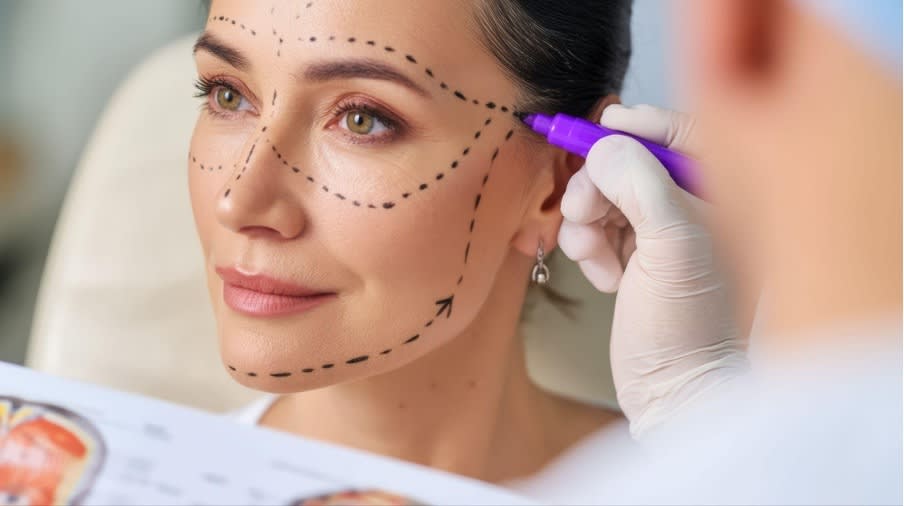
Choosing a surgeon is the most important decision you will make in any cosmetic procedure, and it deserves more research than most people give it. The result you live with for years depends far more on who performs the work than on the specific technology involved.
Most areas have no shortage of options, which makes knowing what to look for essential. These are the factors that separate a good choice from a risky one.
Start With Specialization
Not every cosmetic surgeon does everything, and that is a good thing. A surgeon who focuses on a specific area of the body tends to develop deeper expertise and more consistent results than a generalist splitting attention across the entire body.
A facial plastic surgeon, for example, concentrates specifically on the face. For anyone considering facial procedures, that kind of focused specialization is worth prioritizing over a practice that treats the face as one item on a long menu. Patients comparing plastic surgery in Fort Myers practices offer should weigh specialization heavily.
Board Certification Matters
Board certification tells you a surgeon has met rigorous training and safety standards in their field. It is one of the first credentials you should confirm, and a reputable practice will make that information easy to find.
Beyond the certificate itself, ask about where and how a procedure is performed and what safety measures are in place. A trustworthy surgeon welcomes those questions rather than deflecting them.
Surgical and Non-Surgical Options
A well-rounded facial practice offers more than one path to a goal. Alongside surgical procedures such as face lifts, eyelid surgery, and brow lifts, many patients benefit from non-surgical options like injectables, Morpheus8, or laser resurfacing.
The right surgeon helps you match the procedure to the problem rather than pushing the most expensive option. Sometimes the honest recommendation is a less invasive treatment, and that candor is a good sign.
The Consultation Is Your Interview
Think of the consultation as a two-way interview. You are evaluating the surgeon's communication, honesty, and understanding of your goals just as much as they are assessing your candidacy.
Pay attention to whether the surgeon sets realistic expectations and explains risks clearly. A provider who promises perfection or glosses over recovery is a warning sign, while one who is straight with you is showing you how they practice.
The Takeaway
The best cosmetic outcomes come from matching a well-credentialed, specialized surgeon to a clearly understood goal. Technology and price matter, but they come second to skill and judgment.
The smartest first move is booking consultations and asking hard questions. The practice that answers them openly is usually the one worth trusting.