





How Cream Chargers Work and What They’re Used For
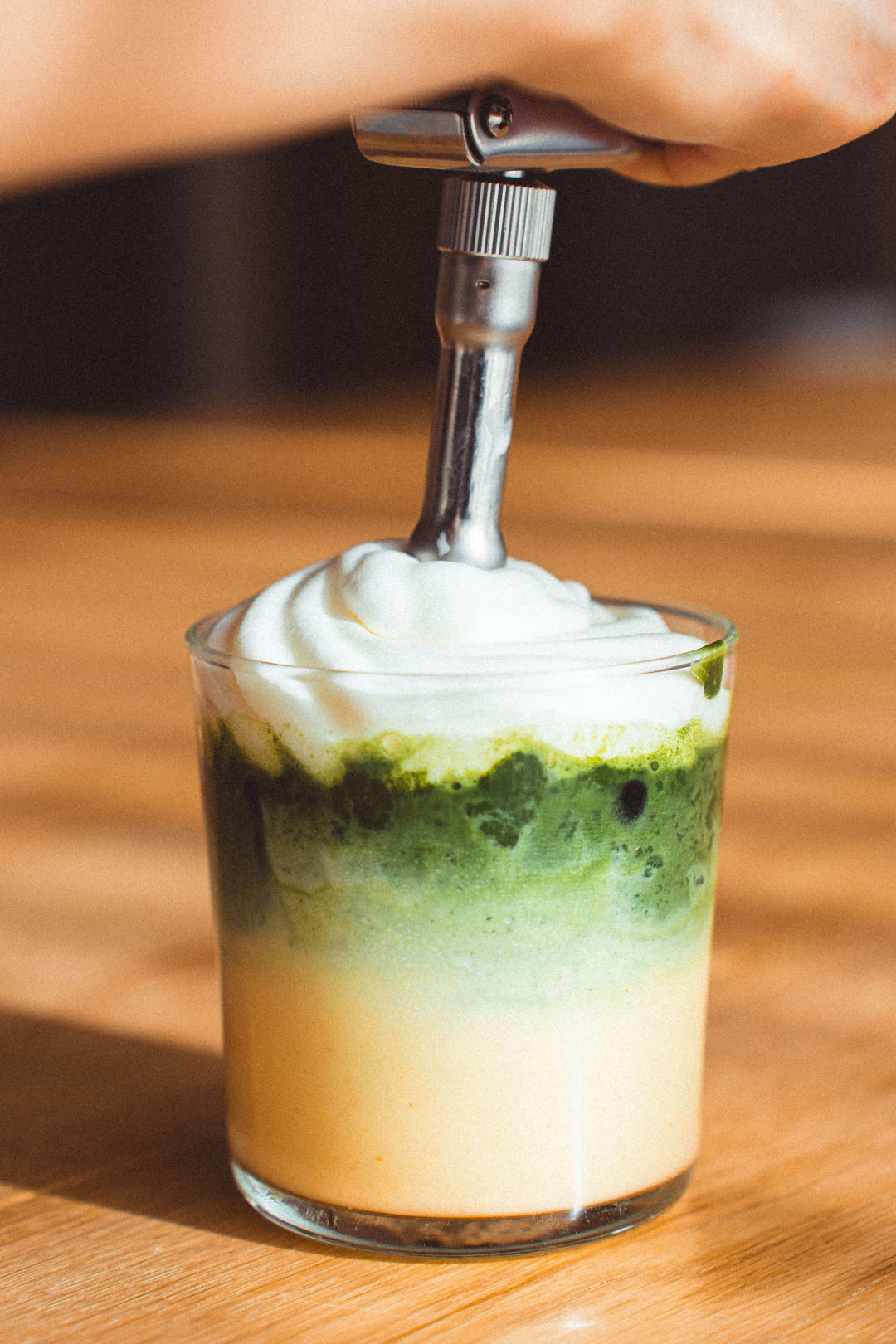
Image: Szymon Shields / Pexels
Cream chargers are one of those kitchen tools that can seem mysterious until you understand the simple science behind them. A small metal cartridge can transform liquid cream into a light, airy topping in moments, helping home cooks, baristas, pastry chefs, and professional kitchens create consistent results with far less manual effort. Yet whipped cream is only the beginning. The same pressure-based process can support culinary foams, sauces, infusions, and other creative preparations that add texture and refinement to food and drinks.
Understanding how cream chargers work also helps users appreciate why the right equipment and proper handling matter. These cartridges contain pressurized nitrous oxide and are specifically designed for culinary use with compatible whipping siphons or dispensers. When used as intended, they provide a practical way to aerate certain preparations. Knowing what happens inside the dispenser, however, makes it easier to achieve better results while maintaining a responsible approach to safety.
Understanding What a Cream Charger Is
A cream charger is a small, sealed cartridge containing pressurized nitrous oxide, commonly written as N₂O. The charger itself is not the appliance that produces whipped cream. Instead, it supplies the gas used by a compatible cream dispenser or whipping siphon. The dispenser holds the cream or other suitable preparation, while the charger introduces the pressure needed to create an aerated result. This distinction is important because the cartridge and dispenser work as a system rather than as interchangeable pieces of equipment.
Nitrous oxide is particularly useful in culinary applications because it can dissolve into fat-containing liquids under pressure. Cream is therefore an ideal ingredient for this process. Once the charger is activated within a sealed dispenser, the gas enters the container and becomes incorporated into the cream. Shaking the dispenser helps distribute the gas throughout the preparation, creating the conditions needed for a smooth and consistent texture when the product is later dispensed. Culinary equipment manufacturers and food-service professionals commonly rely on this principle for whipped preparations, foams, sauces, and similar finishes.
For readers looking to better understand the terminology and culinary context surrounding these products, resources such as nangwizard.net can provide additional background on cream chargers and related equipment. The most important point, however, is to remember that a charger is a pressurized gas cartridge intended to work with equipment designed for that purpose. Compatibility, correct handling, and following the manufacturer's instructions should always take priority over experimentation with unsuitable tools.
The Science Behind the Whipping Process
The process begins when a suitable liquid preparation is placed inside a compatible dispenser, and the charger is secured according to the equipment's instructions. As the charger is pierced within the charging mechanism, the pressurized nitrous oxide is released into the sealed dispenser. The pressure inside the container causes the gas to dissolve into the liquid rather than simply remaining as a separate pocket of gas.
In the case of cream, the gas interacts effectively with the fat content of the liquid. This is one reason the composition and temperature of the ingredients can affect the final result. Well-chilled cream with an appropriate fat content generally provides a better structure for whipping than a thin or unsuitable liquid. The dispenser's instructions may also specify filling limits, charging requirements, and the number of times the container should be shaken, all of which help create consistent aeration.
The most visible part of the process occurs when the dispenser valve is opened. The pressure inside the dispenser drops as the preparation leaves the nozzle. The nitrous oxide that was dissolved under pressure expands, producing bubbles throughout the mixture and creating the familiar light texture of whipped cream or another aerated preparation. In simple terms, pressure allows the gas to become incorporated into the liquid, while the release of pressure allows that gas to expand and create a foam-like structure.
Whipped Cream and Dessert Preparation
The best-known use for cream chargers is the preparation of whipped cream. This application is popular because it offers speed, consistency, and convenience. Instead of manually whisking cream or relying on an electric mixer, users can prepare a chilled mixture in a suitable dispenser and produce individual portions as needed. This can be particularly useful when presentation matters, such as when finishing cakes, hot drinks, waffles, pastries, or plated desserts.
Consistency is another advantage in busy food-service settings. A restaurant or café may need to prepare similar drinks and desserts repeatedly throughout the day. Manual whipping can produce different results depending on technique, timing, and the person preparing the cream. A properly used dispenser provides a more controlled process, making it easier to maintain a consistent texture and portioning style during service. Food-service guidance commonly identifies whipped toppings and dessert finishes as core applications for cream whippers and chargers.
Cream chargers can also support more creative dessert work. Flavored creams, mousses, light sauces, and other aerated components may benefit from the same underlying process, provided the recipe and equipment are suitable. The ability to control texture can help chefs create contrast on the plate, pairing dense or rich ingredients with something lighter and more delicate. This is why whipping siphons have become familiar tools not only in pastry kitchens but also in modern restaurant cooking.
Culinary Foams and Modern Presentation
Beyond traditional whipped cream, cream chargers can be used to create culinary foams. These preparations can range from sweet to savory and may include ingredients such as fruit purées, flavored creams, sauces, or carefully prepared liquid mixtures. The goal is often not simply to make an ingredient fluffy, but to alter how its flavor and texture are experienced.
A foam can deliver a familiar flavor in a lighter form. For example, a rich sauce may become an airy finishing element, while a fruit preparation can be transformed into a delicate topping for a dessert. This technique gives chefs another way to build contrast and structure into a dish. Instead of placing several heavy components together, an aerated element can introduce visual height and a softer mouthfeel.
The effectiveness of a culinary foam depends heavily on the recipe. Not every liquid can be placed into a whipping siphon and expected to produce a stable result. Ingredients may require the right balance of fat, natural solids, or other food-safe structural components to hold the bubbles created during dispensing. Proper straining may also be necessary to prevent particles from blocking the nozzle. As a result, successful use of a cream charger involves both the equipment and an understanding of how different ingredients behave under pressure.
Rapid Infusions and Flavor Exploration
Another recognized culinary application for pressurized whipping systems is rapid flavor infusion. Traditional infusions can require hours or days for ingredients such as herbs, spices, fruits, or other flavorings to transfer their characteristics into a liquid. Pressure can be used as part of a process that encourages liquid and flavoring ingredients to interact more quickly, allowing chefs and beverage professionals to experiment with combinations in a shorter period.
This approach can be useful for creating flavored syrups, oils, creams, and beverage ingredients, depending on the recipe and the equipment being used. The value is not that pressure automatically improves every flavor, but that it gives culinary professionals another controlled technique to explore. A chef may use it when testing a new combination, while a barista or beverage specialist may use related methods to develop distinctive finishing ingredients.
Experimentation should still be guided by food safety and equipment instructions. Ingredients that are not suitable for a dispenser should not be forced through one, and the preparation should always be handled according to the requirements of the recipe. The appeal of rapid infusion lies in efficiency and creativity, but reliable results still depend on understanding the process rather than treating the charger as a shortcut for every culinary task.
Why Proper Equipment and Handling Matter
Because cream chargers contain pressurized gas, they should be treated as purpose-built kitchen products rather than ordinary disposable containers. Users should choose chargers that are compatible with their specific dispenser and follow the appliance manufacturer's guidance regarding capacity, charging, cleaning, and storage. Equipment should not be used if it is damaged, and pressurized cartridges should be protected from excessive heat and direct sunlight.
It is also important to understand that culinary use and misuse are entirely different matters. The U.S. Food and Drug Administration has specifically warned consumers not to inhale nitrous oxide products, noting that intentional inhalation or recreational misuse can cause severe health effects, including serious neurological injury and death. Cream chargers should therefore be used only for their intended culinary applications and with compatible equipment.
Responsible handling also includes following local rules and disposal guidance where applicable. Empty and used cartridges should be managed according to manufacturer instructions and relevant recycling or waste requirements. A charger should never be modified, forcibly opened, refilled, or exposed to conditions outside its intended operating environment. Good culinary results begin with good technique, but they also depend on respecting the limitations of pressurized equipment.
Choosing the Right Approach for Culinary Use
The best way to use a cream charger is to start with the intended application. Someone preparing simple whipped cream at home may have very different needs from a café producing multiple beverages or a restaurant developing sophisticated plated dishes. The equipment, ingredient volume, recipe, and frequency of use should all influence the setup.
Compatibility is especially important. Chargers and dispensers are manufactured in different formats and capacities, and users should rely on the instructions provided for their specific equipment rather than assuming that every cartridge or accessory can be combined safely. Professional kitchens often value consistency and efficiency, while home users may place greater emphasis on simplicity and ease of cleaning. In either case, selecting appropriate culinary equipment helps reduce unnecessary complications.
A thoughtful approach also means focusing on the quality of the finished food rather than the novelty of the equipment. Cream chargers are useful because they offer a particular function: controlled aeration under pressure. When that function serves the recipe, the results can be efficient, attractive, and enjoyable. When it does not, another preparation method may be more appropriate. Understanding this difference helps users make better choices in the kitchen.
Conclusion: A Simple Tool with a Wide Range of Culinary Possibilities
Cream chargers demonstrate how a straightforward scientific principle can have a meaningful impact on everyday food preparation. By introducing pressurized nitrous oxide into a compatible dispenser, they make it possible to create whipped cream and other aerated preparations through a controlled process. From classic dessert toppings to culinary foams and rapid flavor experiments, their value lies in the way they help shape texture, presentation, and consistency.
The key to getting the most from cream chargers is knowledge and responsible use. Understanding how the gas behaves, choosing compatible equipment, preparing suitable ingredients, and following safety guidance can make the process more reliable and effective. When treated as specialized culinary tools rather than novelties, cream chargers offer home cooks and food professionals a practical way to explore lighter textures and creative finishing techniques while keeping safety firmly at the center of the experience.