





What Sets a Craft Ice Cream Shop Apart From a Chain Scoop Counter
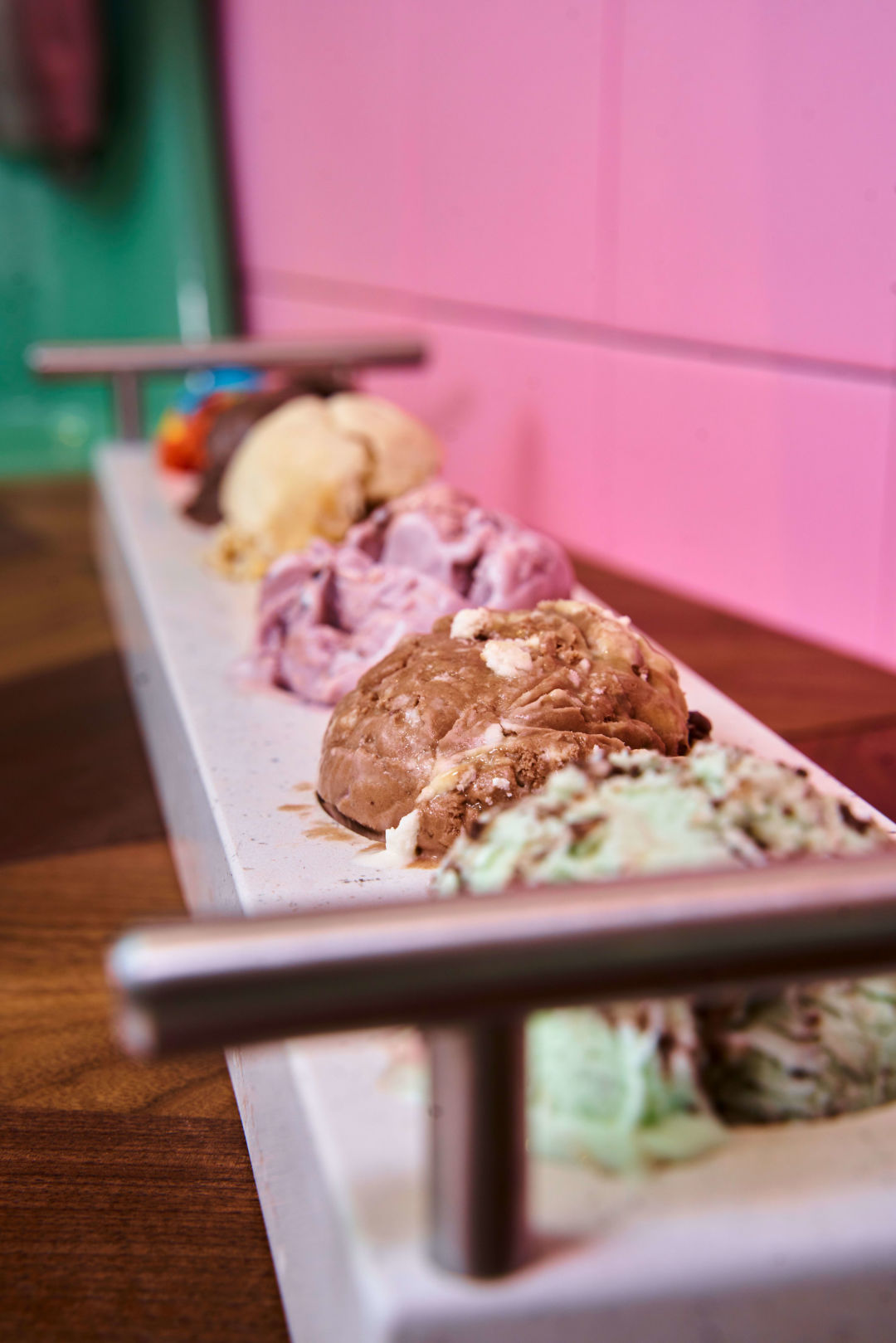
Image: David Disponett / Pexels
A craft ice cream shop offers more than a quick serving of a familiar flavor. Its character comes from local production, careful ingredient selection, inventive recipes, and attentive service. Chain counters usually prioritize speed and uniformity across numerous locations. Independent parlors can focus on nearby customers, seasonal ideas, and memorable details. Those differences affect taste, atmosphere, menu variety, and the value guests take home after each visit.
A Local Point of Difference
An independent parlor gives residents a more personal stop than a standardized counter. At a Lake St. Louis ice cream shop, guests can compare small-batch flavors, ask about ingredients, and choose pints for home. The setting links dessert with neighborhood routines, seasonal outings, and familiar service, rather than a national menu repeated across distant locations. Regular visits also help families find dependable portions, take-home choices, and staff who remember common preferences.
Small Batches Create Better Control
Craft production generally involves smaller quantities than chain manufacturing. That scale lets makers monitor texture, sweetness, and mix-ins during each preparation cycle. A limited run can support unusual flavors without requiring nationwide distribution. Guests may notice smoother consistency, balanced sweetness, or more even inclusions. These qualities reflect closer oversight from the mixing stage through the final scoop.
Ingredients Shape the Signature
A recognizable flavor begins with its components. Craft makers can choose dairy, fruit, cookies, sauces, and spices according to each recipe’s function. Ingredient lists can show a clearer link between the base and the finished taste. Some shops also separate traditional dairy recipes from vegan selections, helping guests compare choices according to dietary needs, texture preferences, or personal taste.
Creative Recipes Build Identity
Chain menus often depend on established staples that appeal to broad audiences. Independent parlors can take greater creative risks because originality helps define their reputation. A frozen interpretation of Gooey butter cake connects dessert with a Saint Louis breakfast tradition. Italian butter cookie provides another distinctive option. Recipes like these give visitors a recognizable flavor memory instead of another generic vanilla variation.
Fresh Ideas Keep Visits Interesting
A changing flavor list can encourage return visits without depending on constant promotions. New combinations give regulars a reason to check the case, while established favorites provide reassurance. Small producers can test a recipe, gather customer reactions, and quickly adjust future batches. That process keeps selection lively while preserving familiar choices for cautious eaters.
Service Feels More Personal
A chain counter may use the same greeting, serving process, and store layout in every city. An independent parlor can give staff greater freedom to discuss flavors, toppings, portions, and take-home options. That exchange helps first-time guests choose with confidence. Personal recommendations also make the purchase feel more attentive, particularly for children, families, and visitors managing food sensitivities.
The Setting Adds Meaning
A craft parlor often reflects its neighborhood through location, atmosphere, and customer patterns. Families may stop after dinner, friends may meet for a cone, and regulars may recognize familiar staff. These ordinary interactions create a sense of place that a uniform counter cannot easily reproduce. The surroundings become part of the experience, alongside flavor, temperature, texture, and portion size.
Take-Home Options Add Practical Value
A well-equipped shop can satisfy an immediate craving while supporting later enjoyment. Pints, packaged containers, and delivery services give households more flexibility than a single cone or cup. One purchase can serve several people, last into another evening, or offer multiple flavors for comparison. That practical choice broadens the shop’s usefulness beyond an impulse dessert.
Local Production Supports Distinction
A Missouri microcreamery that makes ice cream in Saint Louis has a clear geographic connection with nearby customers. Local preparation can shorten the distance between production and service, while direct feedback informs future flavors. Guests can assess a shop through its stated methods, ingredient information, recipe range, and community presence. Those details offer stronger evidence than a polished slogan alone.
Craft Versus Chain: The Main Difference
The central contrast involves focus. A chain scoop counter must maintain broad consistency across many markets. A craft shop can concentrate on a smaller service area, original recipes, and direct customer feedback. Neither format suits every occasion. Chains often provide predictable convenience, while independent parlors offer greater character, local relevance, and opportunities for discovery.
Conclusion
Craft ice cream shops stand apart through smaller production, distinctive recipes, flexible service, and neighborhood connection. Their value appears in tangible details, including local preparation, varied menu categories, take-home pints, and flavors linked to regional traditions. A chain counter can satisfy a familiar craving efficiently. An independent parlor adds choice, conversation, and character, giving each visit a clearer connection to the people and place it serves.