




The Rise of Subscription-Based Flower Styling for Restaurants, Cafés, and Boutique Offices in Sarasota
What Is a Flower Subscription Service?
It's simple. A florist comes to you. Regularly.
Instead of ordering flowers for a special event, a business signs up for recurring deliveries — weekly, biweekly, or monthly. The florist handles everything: sourcing, arranging, styling, and sometimes even replacing wilted blooms mid-week.
No stress. No last-minute trips to the market. Just fresh flowers, always.
Why Businesses Are Choosing This Model
The Numbers Don't Lie
The global floral market was valued at around $104 billion in 2023. Subscription services are among the fastest-growing segments within it — projected to grow at over 7% annually through 2030.
Restaurants account for a significant share of B2B (business-to-business) floral spending. One U.S. survey found that 64% of diners say the visual ambiance of a restaurant influences their decision to return.
That's not a small number. That's most people.
Consistency Matters More Than Perfection
Consistency Matters More Than Perfection
One stunning arrangement won't build your brand. But flowers every single Tuesday? That builds habit. That builds expectations. Guests start to notice when something is missing—and that's when you know the flowers are working. Boutique offices report similar effects.
You can try asking people themselves via anonymous group chat apps whether they actually notice flowers in establishments and whether it influences their purchasing decisions. Certain conclusions can be drawn via video chat on the CallMeChat, including determining attitudes toward the brand, the store's reputation, and whether its location is convenient. People enjoy anonymous online chat and will share information if it's done in a relaxed manner.
Who Is Actually Using This?
Cafés: Small Spaces, Big Impact
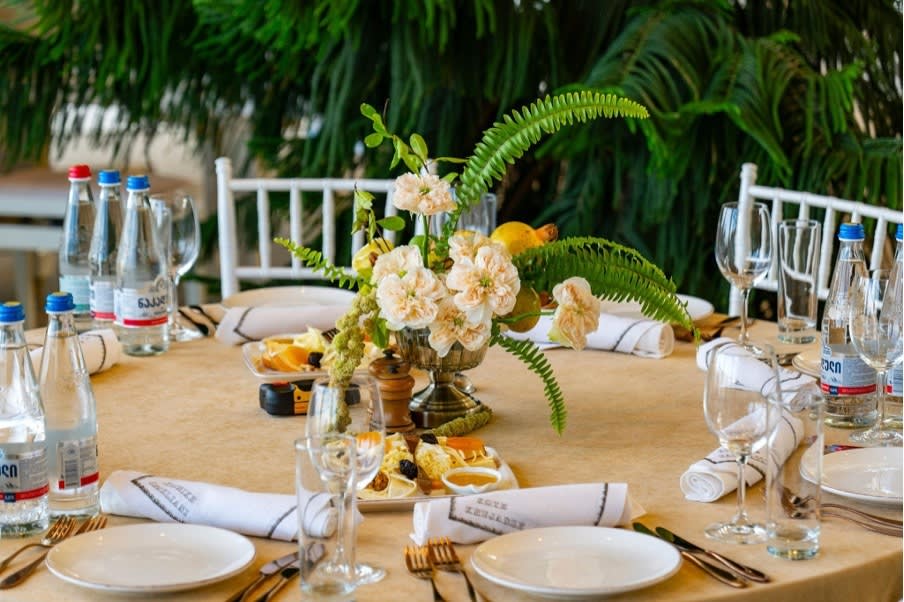
Independent cafés were early adopters. Space is limited, budgets are tight, but the atmosphere is everything. A well-placed bud vase on each table does more than any Instagram ad.
Subscription pricing makes this affordable. Many urban florists now offer café packages starting at $80–$150 per week — less than a daily coffee tab for a mid-sized team.
Restaurants: Seasonal and Strategic
Fine dining establishments have always used flowers. What's changed is the approach. Chefs now collaborate with florists the same way they work with suppliers — strategically, seasonally, with intention.
A spring menu calls for tulips and ranunculus. Autumn shifts to dahlias and dried seed pods. The flowers and the food tell the same story.
Boutique Offices: The New Hospitality
Law firms, creative agencies, wellness studios — they've borrowed hospitality logic. If a hotel lobby deserves flowers, so does a client-facing office. First impressions are not just for restaurants anymore.
Subscription services fit neatly into office management budgets. Recurring costs are predictable. Invoices are clean. No surprises.
How Florists Build These Packages
What a Typical Offer Looks Like
Most B2B florists offer tiered plans. A basic tier might include one or two arrangements per week. Premium tiers cover every table, reception desk, restroom, and windowsill.
Some include seasonal swaps — a full redesign when the flowers change with the months. Others offer same-week replacements if something wilts early.
Pricing Models Vary
Per-arrangement pricing is common for small cafés. Monthly flat fees work better for larger spaces with consistent needs. Some florists charge a setup fee for the first installation, then a lower weekly rate after.
Transparency is key. The best services publish their pricing clearly. Clients stay longer when there are no hidden fees.
What Makes a Good Subscription Florist?
Reliability Over Flair
A florist who delivers breathtaking arrangements three weeks out of four — and forgets the fourth — is a problem. Businesses need someone who shows up. Every time.
Reviews and referrals matter here more than in most industries. Ask the café around the corner who does their flowers. That's real data.
A Sense of the Space
Good florists visit before they quote. They look at the light. They check ceiling height. They ask about the clientele.
A florist who treats every client the same will produce generic results. The best ones treat your space like a brief — and solve it with petals and stems.
Challenges Worth Knowing
Seasonality and Supply
Not every flower is available every week. A subscription florist must work with what's in season — or pay premium prices to import out-of-season blooms. This affects cost and design.
Some businesses love the seasonal variation. Others want the same look, always. That conversation needs to happen early.
Sustainability Questions
Flowers have a footprint. Cut flowers can travel thousands of miles before reaching your table. Carbon, water, pesticides — these are real concerns.
A growing number of florists now offer locally sourced or organic options. They may cost slightly more. But for sustainability-minded brands, the alignment is worth it.
The Future of Floral Styling in Business
The subscription model is not a trend that will fade. It fits too neatly into how modern businesses operate — outsourced, recurring, optimized.
Expect deeper integration ahead. Florists will sync with interior designers. Arrangements will match seasonal menus. Flowers will be considered part of brand identity, not decoration.
Some already are.
Final Thought
Fresh flowers are not a luxury. Not anymore. They are a business decision — quiet, beautiful, and measurable. The businesses that understand this are already paying a florist to show up every week.
The ones who haven't? They're the ones whose tables still feel like something is missing.