






Fantasy Football Draft Night Is Changing: Auction Leagues Are Having a Moment
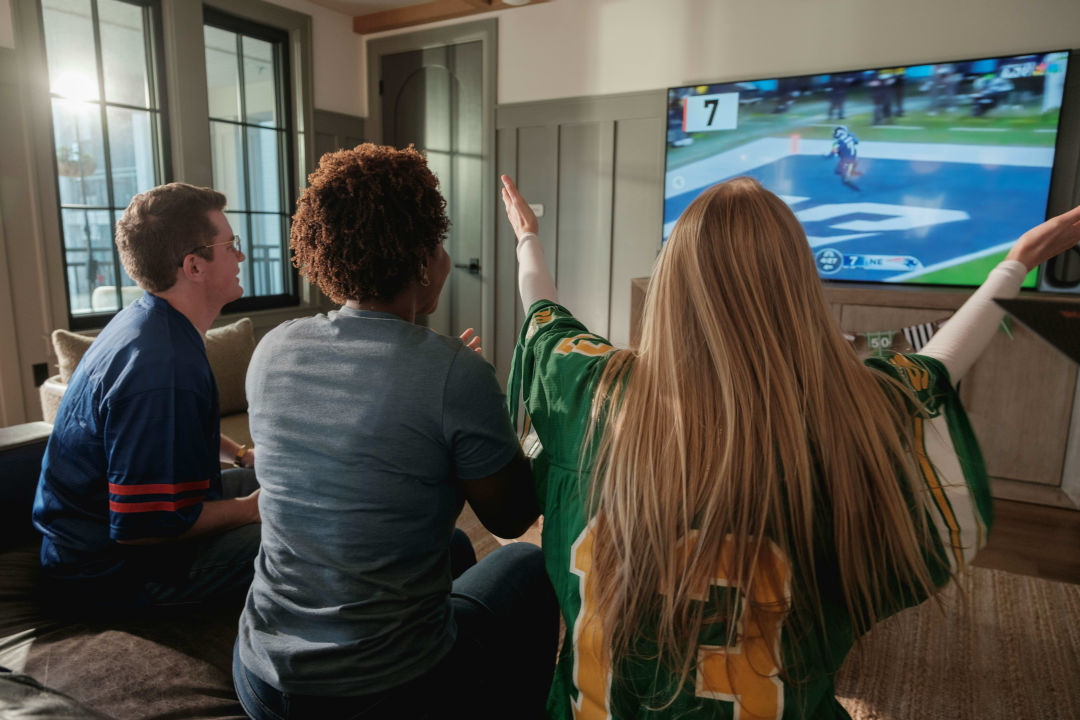
Image: Apartment Life / Unsplash
Snake drafts still run the show in most fantasy football leagues, but auction formats are pulling in more converts every August, especially among managers who have played the same league for a decade and want a new problem to solve. If your group chat has spent the last two weeks debating whether to finally switch formats before this season's draft, you are not alone.
Why More Leagues Are Trying the Auction Format
An auction draft hands every manager a fixed budget, typically $200, and lets them bid on any player at any point in the draft rather than waiting for a turn in a fixed order. ESPN's own guide to salary cap drafts notes that a "stars and scrubs" approach, spending heavily on a few elite names and filling out the rest of the roster cheaply, is often recommended for managers trying auctions for the first time, while more balanced spenders prefer to spread their budget across a deeper group of starters. Neither strategy is automatically correct. What auctions remove is the fixed pick order that decides half your team's fate before the draft even starts.
Setting a Budget Before Bidding Starts
The hardest part of a first auction is not the bidding, it is the preparation beforehand. Every player needs a dollar value attached before the draft, or managers end up guessing in real time while the clock runs. Tools like RotoWire's fantasy football auction values let managers plug in their league size, scoring format and total budget to generate personalized price tags for the entire player pool, rather than working off a generic list that assumes a $200 cap and PPR scoring when a league runs something different. Walking into draft night with real numbers, adjusted for a league's specific settings, is the difference between bidding with confidence and bidding on vibes.
Print that sheet, or load it on a second screen, and cross off names as they go. Reference prices only work if a manager can find them fast enough to act before a bidding war passes them by.
Common First-Timer Mistakes
New auction managers tend to make the same two errors. The first is spending too much early out of adrenaline, then sitting on a roster of $1 bench players by the fourth round. The second is the opposite problem, holding onto a full budget so long that the best players are gone by the time a manager finally decides to spend. Neither approach ages well over a 17-game season. A workable middle ground is deciding ahead of time what percentage of the $200 goes to each position, then adjusting only when a genuine bargain appears, not because the room feels tense.
Nomination order matters more than most first-timers expect, too. Putting an expensive player up early, before managers have spent much of their budget, tends to drive up bidding. Waiting until money is tight to nominate a player a manager actually wants can land that player for less than his listed value. None of this is a niche hobby anymore, either. A study run by the Angus Reid Group for the Fantasy Sports & Gaming Association found that an estimated 84 million adults in the United States and Canada took part in fantasy sports or sports betting over the past year, up from 81 million in 2024, which helps explain why so many long-running leagues are finally experimenting with a format overhaul.
Where to Watch It All Play Out
Once the rosters are set, the real season starts, and Sarasota has no shortage of places to watch it unfold. Our guide to things to do around town rounds up the bars, patios and weekend events worth building a Sunday around, whether that means a full slate of early games or just checking a phone between errands. A league that argued over auction values in August tends to argue just as loudly over standings by October, and that is half the fun of switching formats in the first place.