






Coastal Blinds: A Homeowner’s Guide to Protecting Interiors From Florida Sun
Florida homes are designed to welcome daylight in: expansive windows, sliding glass doors, bright rooms and views that invite the outdoors inside. In Sarasota, that light is one of the great pleasures of living near the coast, but it can quietly be hard on the things that make a home feel personal. Thoughtfully selected custom blinds from Blinds To Go help homeowners manage intense light, protect valuable interiors and preserve the relaxed, open feeling that makes coastal living special.
Over time, strong direct sun can fade fabrics, discolor wood finishes, wash out artwork and leave uneven patches on rugs and flooring. The goal is not to turn a light-filled home into a dark one. It is to make daylight work on your terms, protecting your interiors while keeping the airy, open feeling that makes a coastal home special.
Bring coastal texture to the window
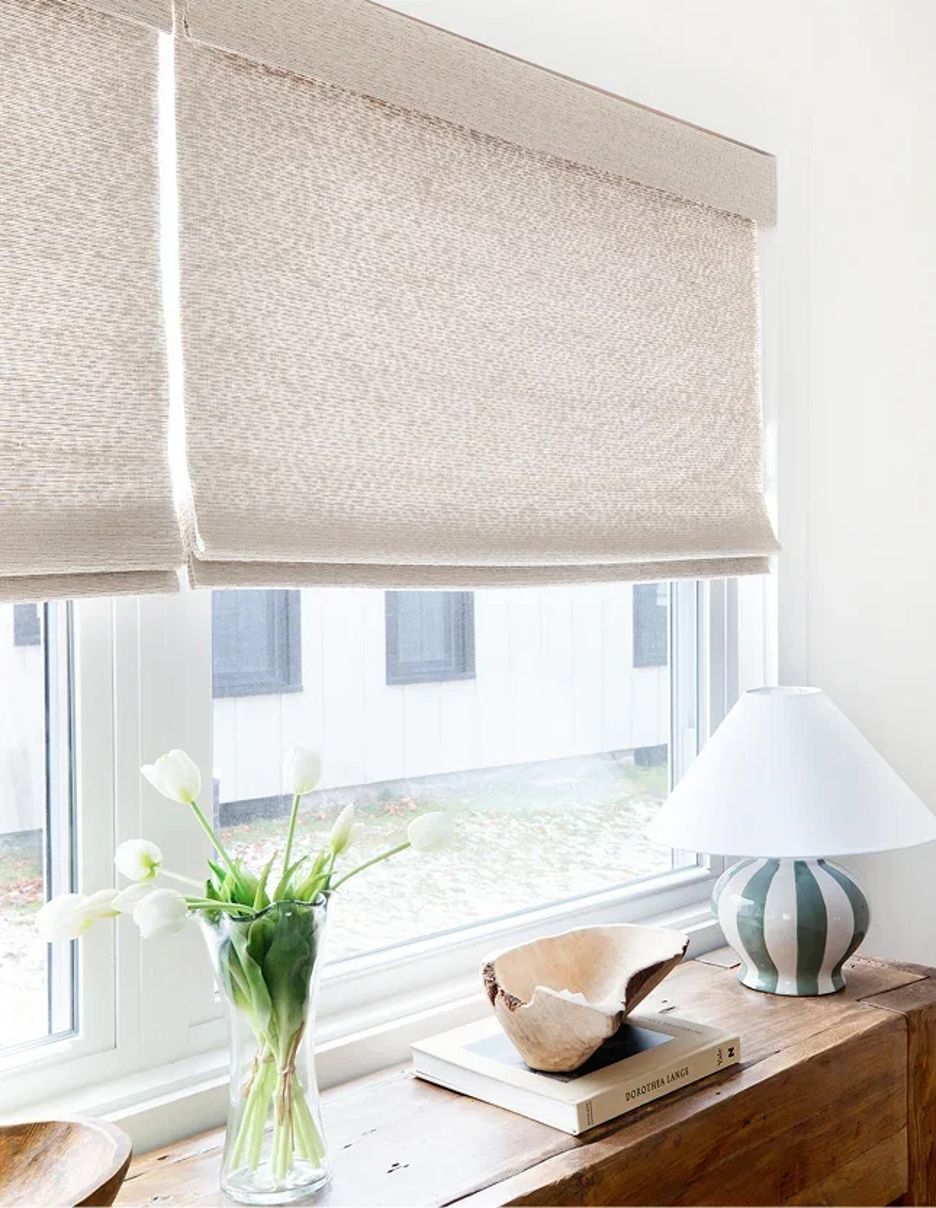
For homeowners who want a warmer, more natural look, custom woven wood shades, often called bamboo shades, are a particularly fitting choice for a Sarasota home. Their organic texture pairs easily with coastal, tropical and transitional interiors, adding visual interest without overwhelming a sun-filled room.
Woven wood shades are available in a wide range of natural materials and weaves, from fine bamboo to grasses and reeds. A tighter weave can offer more privacy and light filtering, while a looser weave creates a more casual, airy effect. Adding a privacy or room-darkening liner makes them a practical option for bedrooms, bathrooms and spaces that face close neighbors. They also layer beautifully with soft drapery panels when homeowners want additional light control or a more finished, tailored look.
Start by noticing where the sun is doing the most work
Every home has a few high-exposure areas. They are often the south- and west-facing rooms, glass doors leading to a lanai or pool, and windows that catch the late-afternoon sun. Take a look at the floors closest to those openings, the arm of a favorite sofa, photographs or art on nearby walls, and upholstered dining chairs. Slight fading can be easy to miss until furniture is moved and the difference becomes obvious.
The fix does not have to be dramatic. In fact, the most successful rooms usually use a mix of small, considered decisions: a treatment that softens direct light, furniture positioned out of the strongest beam, and a routine for adjusting coverage during the brightest part of the day.
Filter light instead of eliminating it
For living spaces with a view, solar shades are often the most practical starting point. They reduce glare and filter harsh sunlight without making a room feel closed off. The right openness level depends on how much privacy, view and light control the room needs, but the underlying idea is simple: diffuse the intense light before it reaches valuable surfaces.
Sheer shades offer another approach for spaces where the atmosphere matters as much as function. They can soften Florida’s bright daylight into a more even glow, making a room feel calmer while still preserving the sense of openness. In bedrooms, media rooms or any space where privacy is more important, room-darkening or blackout options can be layered in for greater control.
For homeowners comparing styles, the key question is less “Which treatment is most fashionable?” and more “How will this room be used at 3 p.m.?” A sunny breakfast nook, a home office with a computer screen and a west-facing bedroom all need different levels of coverage.
Give large doors and windows a tailored solution
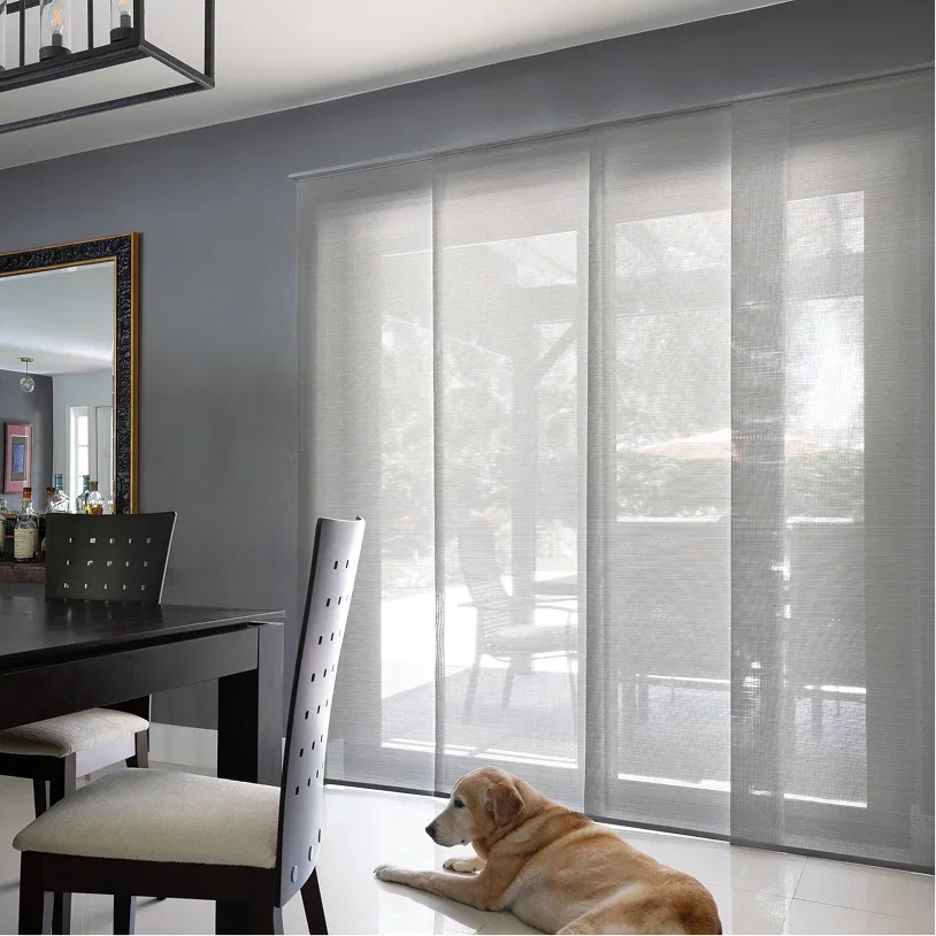
Large openings are beautiful, but they can be the hardest to manage. A one-size-fits-all approach tends to look awkward on sliding glass doors, corner windows or wide picture windows. Vertical blinds, panel-track systems and carefully selected shades can provide easy access to a door while keeping the visual line clean.
For a coastal condo or a home with a waterfront view, it is worth choosing a treatment that can be adjusted throughout the day. Opening it fully in the morning, filtering light during the hottest hours and closing it for privacy in the evening allows the room to respond to how people actually live in it.
Custom window treatments are especially useful here, because they can be sized to the opening and selected around the room’s purpose instead of forcing a standard product to do the job. Details such as mounting position, control type and whether the window opens inward or outward can make an everyday difference.
Protect the pieces that are hardest to replace
Some items deserve extra attention: original artwork, family photographs, antiques, leather, natural-fiber rugs and richly colored upholstery. If these pieces sit directly in a regular path of sunlight, consider moving them even a few feet away from the window or rotating them periodically so any fading happens more evenly.
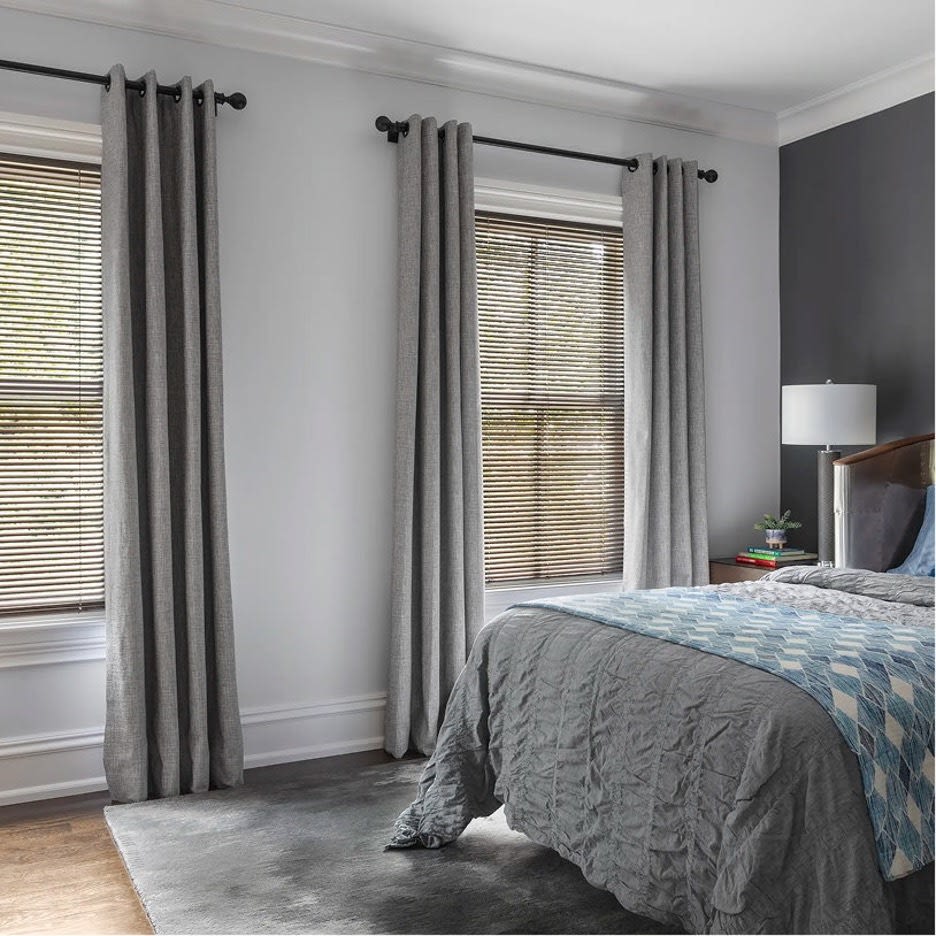
Layering is useful in these spaces. A light-filtering shade can handle the daytime sun, while drapery panels add softness, insulation and a more finished look. The combination brings depth to a room and gives homeowners flexibility when the weather or time of day changes.
Make protection part of the room’s design
Window treatments should not feel like an afterthought. They influence a room’s color, texture, proportion and mood just as much as a rug or a light fixture. In Sarasota homes, the best choices often feel quiet and architectural: woven textures for warmth, soft neutrals that complement the view, or clean-lined shades that let a striking window remain the focal point.
Motorized options can be particularly helpful for high windows, hard-to-reach spaces and rooms that receive reliable afternoon sun. Programming a shade to lower when direct light is strongest makes protection effortless, rather than another item on the day’s to-do list.
Keep the view, keep the light and keep your home looking its best
Living with abundant sun is a gift, but it asks a little more of a home’s design. By identifying high-exposure areas and choosing window coverings around the way each room is used, Sarasota homeowners can preserve the details they love without sacrificing brightness or a connection to the outdoors.
The best approach is thoughtful rather than restrictive: filter, adjust and layer as needed. Done well, sun protection becomes part of a beautiful coastal interior, not a compromise against it.