




Why Florida Gardeners Are Ditching High-Maintenance Landscaping for Native Plants
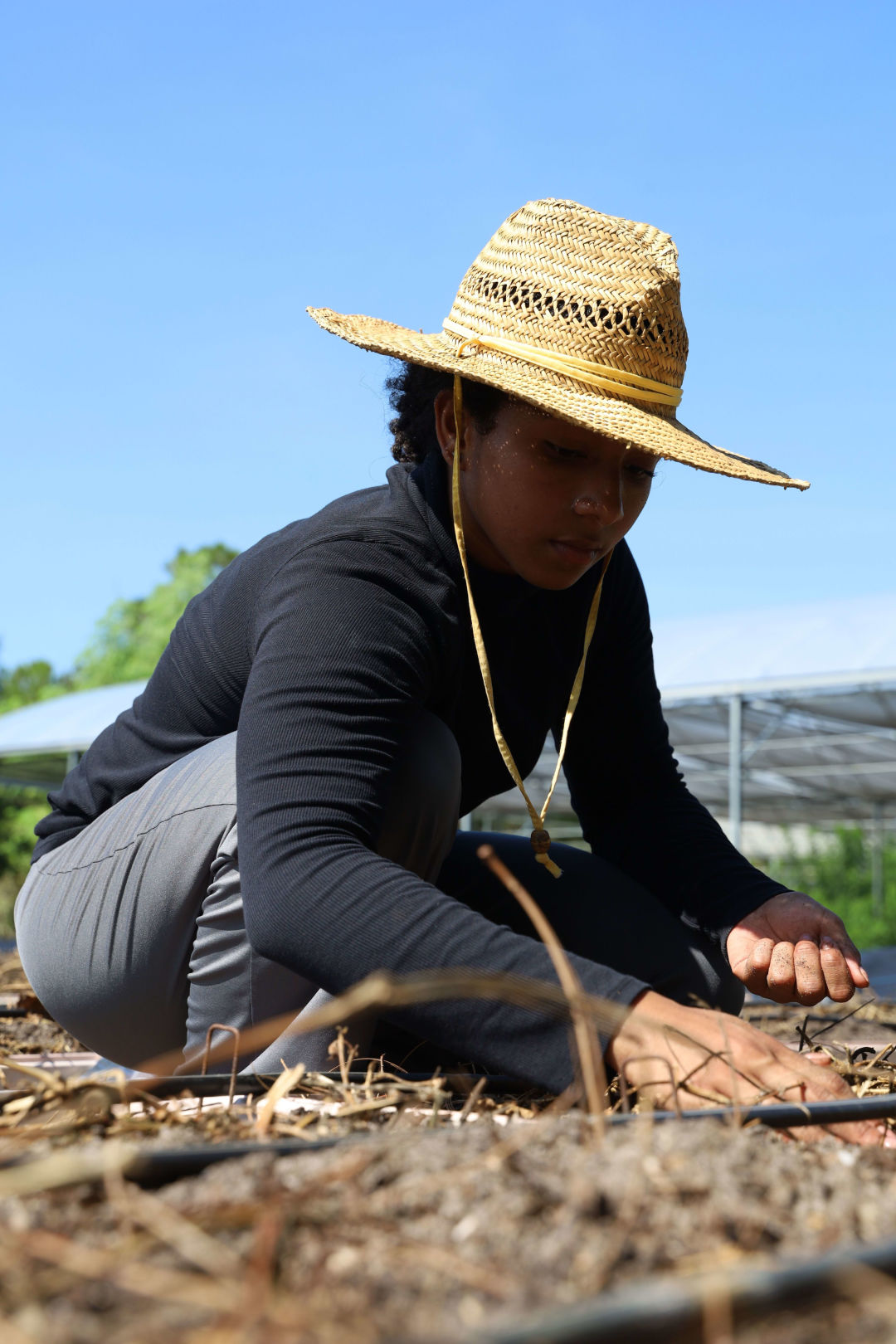
Image: Joice Rivas / Pexels
I've been growing native plants for 35 years, and for most of that time my biggest Florida orders came from restoration projects and government agencies. They already knew what native plants could do.
That's been changing. Over the last few years, I've been shipping more bare-root perennials to Florida homeowners than to any other customer type in the state. When I ask what they're replacing, the answer is almost always the same: the ornamental stuff that looked good on planting day and cost them a fortune to keep alive through summer.
I understand the frustration. Florida's heat and humidity test everything in the ground. If a plant wasn't built for those conditions, you're paying for it in water, chemicals, and lost weekends.
Why the Traditional Approach Falls Apart in Florida
Most of what you'll find at a Florida garden center is hybridized ornamental stock bred for shelf appeal, not for your climate. These plants need regular irrigation to survive dry stretches, fertilizer to compensate for soil they weren't designed for, and pesticides to fight the insects and fungi they have no natural defense against.
That's a lot of ongoing expense just to keep a plant standing.
In a state with watering restrictions, hurricane exposure, and summers that punish anything not adapted to the heat, those inputs add up fast. And when a tropical storm strips half the yard, you're starting the whole expense over again.
What Happens When You Switch to Natives
A native plant evolved in your region over thousands of years alongside your soil, your rainfall, and your insects. Everything around it already recognizes it as food and habitat. That's the reason it doesn't need the support system imported plants demand.
I tell every customer the same thing: you can over-care for native plants. People water too much, fertilize, spray for pests the plants will never get. Natives don't want any of it. Put them in the ground, water them a couple of times while they root in, and get out of the way. After the first growing season, they handle themselves.
That applies in Florida just as much as it does at my farm in Tennessee. The species change depending on your USDA hardiness zone, but the principle holds everywhere. Native plants don't fight their environment. They were shaped by it.
What I'd Plant in a Sarasota Yard
If you're tired of the maintenance cycle and you want to start replacing what isn't working, fall is the time to do it. The heat eases enough to reduce transplant stress, and the soil stays warm for roots to get established. By spring, fall-planted natives are ahead of anything you'd put in the ground in March.
Here's where I'd start:
Purple coneflower (Echinacea purpurea) is close to bulletproof. Full sun, heat-tolerant, blooms midsummer into fall. Bees and butterflies find it the first week. After the first year, leave it alone.
Black-eyed Susan (Rudbeckia hirta) grows almost anywhere. Handles drought, poor soil, and full sun. It'll give you golden blooms for months without asking for anything in return.
For wet spots in the yard, swamp milkweed (Asclepias incarnata) is built for moist soil. It's also one of the milkweed species that monarch butterflies depend on for reproduction. Monarch populations have been in serious decline for years because milkweed has been sprayed out of agricultural fields and roadsides across the country. Every yard that puts milkweed back in the ground is helping reverse that.
Butterfly milkweed (Asclepias tuberosa) takes the drier spots. Vivid orange flowers, full sun, and it handles Florida heat well. Between this and the swamp milkweed, you've covered monarch habitat across both wet and dry areas of the yard.
These are all pollinator plants that come back year after year. Once they're established, they're done. No replanting. No fertilizer. No pesticide.
Start With One Bed
You don't have to redo the whole yard at once. Pick the bed or border that gives you the most trouble, the one where something dies every August, and swap it for natives. The time and money you save maintaining that one section usually makes the case for converting more.
I've watched this happen with customers in every climate we ship to. They start with a small order. Six months later they're back, because the native planting is the only part of their yard they're not fighting.
Native plants aren't a step down from what you've got. They're what was growing here long before the garden centers showed up. And in a climate like Florida's, they'll outlast anything on those shelves.