





What the Federal Tax Credit Means for Heat Pump Heater Buyers
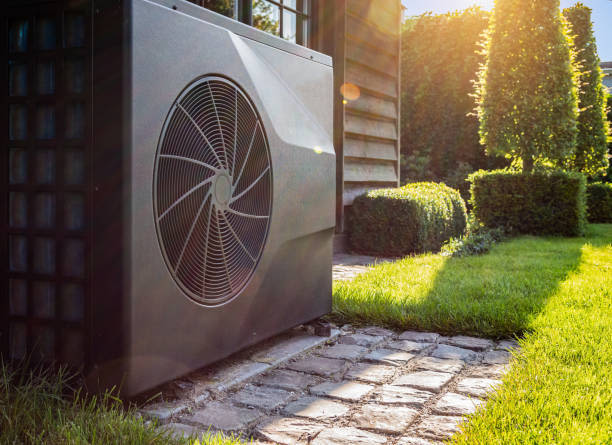
Heat pump water heaters once gave homeowners two financial advantages: reduced electricity use and a federal tax credit. That incentive lowered the initial cost for qualifying equipment, but its availability has changed. The federal credit ended on December 31, 2025. A unit purchased or installed during 2026 does not create a new federal claim under that provision. Buyers should review current utility and state programs before setting a budget, since regional assistance may still reduce project costs.
Federal Credit Status
Homeowners reviewing past eligibility can consult the Federal Tax Credit for heat pump water heaters resource for details about the former program. The page explains qualifying equipment, filing records, and the manufacturer identification code used with Form 5695. That information helps taxpayers distinguish an expired federal benefit from active utility or state assistance. Accurate dates and product records remain essential during tax preparation.
What Changed After 2025
The federal credit for qualifying heat pump water heaters ended on December 31, 2025. A purchase completed after that date does not qualify under the expired rule. The relevant date is tied to the purchase or installation requirements, rather than an early estimate or deposit. Reviewing the timeline carefully can prevent an incorrect claim on a later federal return.
How the Former Benefit Worked
The former incentive reduced federal income tax owed by an eligible homeowner. Unlike a deduction, a credit lowered the tax bill directly. Qualification depended on equipment standards, property conditions, purchase dates, and annual limits. A high-efficiency label alone did not establish eligibility. Taxpayers needed supporting records that connected the installed product with the claimed benefit.
Filing Records Matter
Anyone who claimed the former credit should retain receipts, installation invoices, product labels, and manufacturer information. Those documents should identify the model installed at the residence and support the amount reported. The manufacturer code listed for Form 5695 was A5X5. A tax professional can help determine whether retained paperwork supports a prior-year filing or requires additional documentation.
Product Qualification Was Limited
The former program applied to certain heat pump water heaters that met required efficiency standards. Conventional electric tanks, gas models, and equipment outside the approved criteria did not receive the same treatment. Model numbers deserve close review because similar product names may represent different capacities, control systems, or performance ratings. Product category and certification mattered more than general marketing language.
Model Verification
A rating plate, technical specification sheet, and final invoice can confirm important details. These records may show storage capacity, efficiency performance, serial number, and installation date. If the paperwork uses unclear terms, the seller or manufacturer can identify the equipment type. Verification before filing reduces confusion between a heat pump unit and a standard resistance model.
Tax Credits Differ From Rebates
A tax credit affects a federal return, while a rebate usually reduces the purchase cost or provides payment after installation. Utilities, state agencies, municipalities, and energy organizations may set separate requirements. Income thresholds, approved models, application deadlines, and funding limits can vary widely. One program does not automatically replace another, so each offer requires an independent review.
Local Savings May Continue
The federal program ended, but regional assistance may remain available during 2026. Utility providers sometimes offer instant discounts, mailed payments, or contractor-administered incentives for efficient water heating. State energy offices may publish additional options. Funds can be limited or withdrawn without much notice. Buyers should confirm current terms with the organization responsible for administering each program.
Budgeting Beyond the Purchase Price
A heat pump water heater project may include equipment, labor, electrical changes, permits, condensate drainage, and removal of an old tank. Site conditions influence the final expense. Household demand also matters. A larger storage tank may suit frequent use, while limited clearance can restrict available models. Comparing the complete installation cost gives buyers a more reliable financial picture.
Energy Use and Household Fit
Heat pump technology transfers heat from surrounding air into stored water. Under suitable conditions, that process can use less electricity than conventional resistance heating. Results depend on room temperature, airflow, control settings, maintenance, and household demand. Placement deserves attention before ordering. A garage, basement, or utility room may provide different temperatures, noise levels, and service access.
Questions Buyers Should Ask
Before signing an installation agreement, homeowners should ask whether funding remains, which models qualify, and whether work must meet a deadline. Written terms can prevent later disputes. Contractors should also explain operating noise, clearance, condensate handling, electrical capacity, warranty coverage, and maintenance access. These questions help buyers judge practical suitability without relying on a federal incentive.
Conclusion
The federal tax credit once improved the financial case for installing a heat pump water heater, but that benefit ended on December 31, 2025. Buyers completing projects during 2026 should exclude a new federal claim from their calculations. Careful planning still matters. Reviewing model records, comparing full installation costs, estimating energy use, and checking local programs can help households make a sound purchase based on current conditions.