





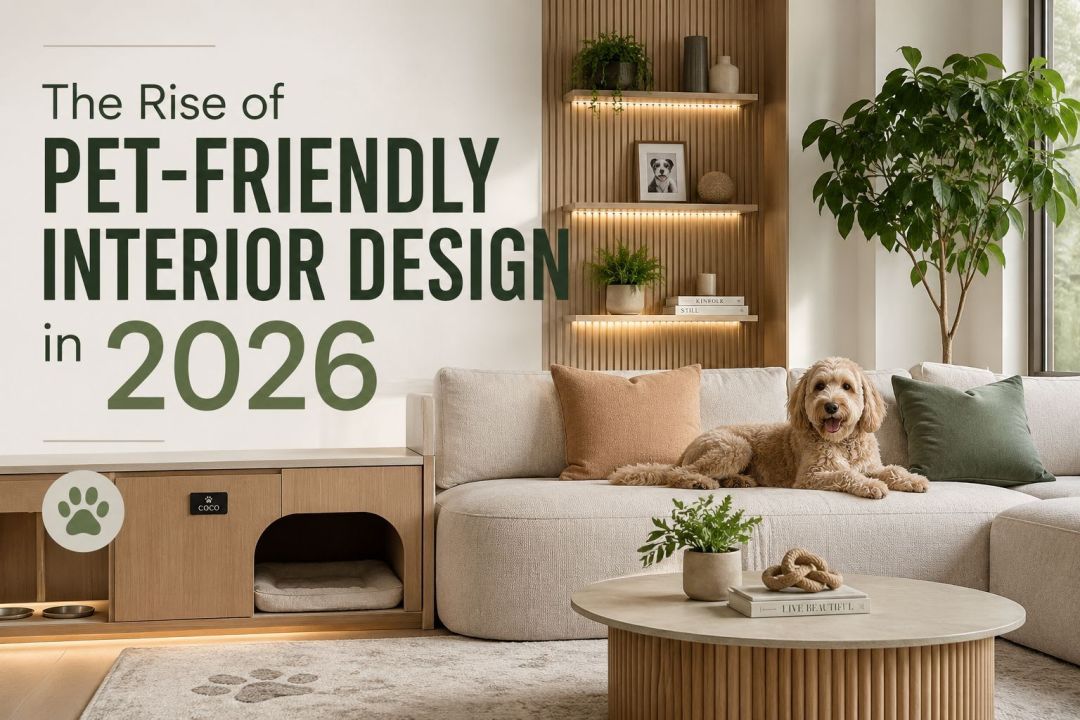
The Rise of Pet-Friendly Interior Design in 2026
For years, pet owners felt like they had to choose between a beautiful home and a home that worked for their animals. A white sofa looked great until muddy paws found it. Decorative pillows seemed like a good idea until they became a dog's favorite toy. That way of thinking is quickly fading.
Today's homeowners are designing spaces that welcome every member of the family, including the four-legged ones. Instead of treating pets as a design challenge, people are building homes that naturally accommodate everyday life with dogs and cats.
This shift has sparked interest in practical solutions that blend into modern interiors. From durable fabrics to washable rugs, homeowners are finding smarter ways to balance style and functionality. Details like couch covers for homes with dogs have become part of a larger movement toward creating spaces that feel comfortable, relaxed, and easy to maintain.
Homes Are Becoming More Realistic
One of the biggest interior design trends of 2026 is realism. People are no longer trying to create homes that look untouched. Instead, they're creating homes that actually get used.
Dogs nap on couches. Cats claim sunny corners. Pets shed, track in dirt, and occasionally make messes. Rather than fighting these realities, homeowners are choosing materials and layouts that make everyday living easier.
This approach doesn't mean sacrificing style. In fact, many designers believe pet-friendly choices often create warmer and more inviting spaces.
Durable Materials Are Taking Center Stage
The days of choosing delicate fabrics simply because they look nice are fading.
In 2026, homeowners want materials that can handle daily wear while still looking attractive. Durability has become a key factor in furniture and decor decisions. Popular choices include:
-
Performance fabrics
-
Tightly woven upholstery
-
Washable textiles
-
Scratch-resistant flooring
-
Easy-clean wall finishes
These materials help reduce stress while extending the life of furniture and surfaces.
Many pet owners have learned that selecting practical materials from the beginning saves both time and money later. It also makes homes more enjoyable because people spend less time worrying about potential damage.
Design Is Becoming More Flexible
Homes have become more adaptable, with rooms shifting to meet different needs throughout the day. Living rooms become play spaces. Bedrooms become quiet retreats. Dining areas sometimes double as workspaces. Pets naturally move through all of these environments. As a result, homeowners are choosing furniture and layouts that adapt easily. Modular seating, movable storage, and versatile furniture pieces allow rooms to evolve as needs change.
Pet Spaces Are Being Integrated, Not Hidden
A few years ago, pet beds and feeding stations were often tucked away in corners. Now they're becoming intentional parts of the design.
Homeowners are creating designated areas that fit seamlessly into the overall look of the home. A dog bed might coordinate with the room's color palette. Feeding stations may be built into cabinetry. Storage solutions help keep toys organized without creating clutter.
The goal isn't to hide pets from the design, but to make them part of it. This approach reflects a broader trend toward creating homes that feel personal and authentic.
Easy Cleaning Is a Design Priority
Ask almost any pet owner what they want from their home, and easy maintenance will probably appear somewhere on the list. That's one reason why cleaning-friendly design continues to gain popularity. Common choices include:
-
Washable rugs
-
Removable furniture covers
-
Easy-to-clean flooring
-
Closed storage solutions
-
Minimal clutter
These choices simplify daily routines and make it easier to keep spaces looking fresh.
Comfort Matters More Than Perfection
Perhaps the biggest shift happening in 2026 is the move away from perfection.
People are becoming less interested in creating picture-perfect rooms and more interested in creating spaces that feel good to live in. That often means choosing comfort over formality.
Deep sofas, cozy reading corners, soft textures, and inviting layouts are replacing overly structured designs. Pets naturally fit into these environments because they're designed for relaxation and everyday use.
When a room feels comfortable for both people and animals, it often becomes the most loved space in the house.
Natural Elements Continue to Grow in Popularity
Pet-friendly design also aligns with another major trend: bringing nature indoors. Homeowners are incorporating natural materials, earthy color palettes, and organic textures throughout their homes. Wood finishes, woven baskets, linen fabrics, and neutral tones create calming environments that work well for both pets and people.
Many designers believe this connection to nature contributes to a greater sense of well-being, which is something homeowners increasingly value.
Looking Ahead
The rise of pet-friendly interior design isn't just a passing trend. It reflects a larger change in how people think about their homes.
For pet owners, that means creating environments where style and practicality work together. It means choosing materials that can handle real life, layouts that support flexibility, and design decisions that reduce stress instead of adding to it.
In 2026, the most successful homes aren't the ones that stay perfectly clean or untouched. They're the ones that comfortably support everyone who lives there, including pets.