






Gold Wedding Bands: Balancing Timeless Style and Daily Durability
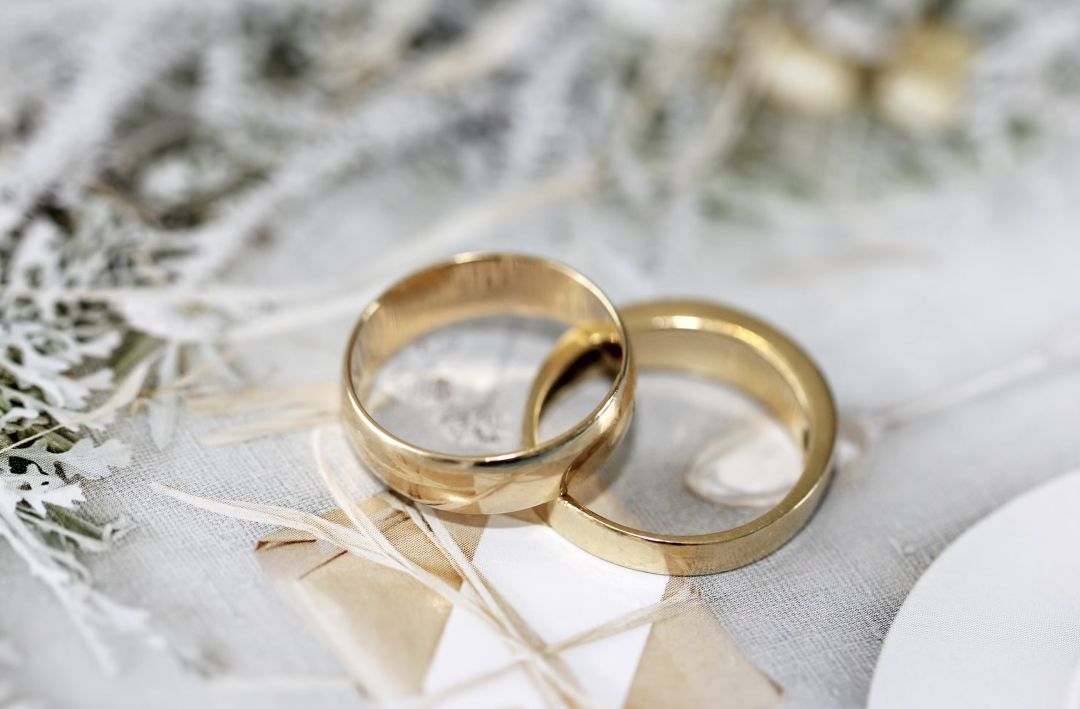
Gold wedding bands remain popular because they carry emotional significance while fitting naturally into daily life. Their appearance can feel formal during a ceremony, yet understated enough for work, travel, and ordinary routines. Practical decisions matter just as much as visual appeal. Metal purity, ring width, surface finish, fit, and maintenance all influence long-term satisfaction. A thoughtful selection allows a couple to choose a band that reflects their personal taste without overlooking comfort or durability.
Choosing a Gold Band
The selection process should begin with style, construction, and expected use. The men's gold wedding bands collection offers examples in yellow, white, and rose gold, with varied widths, profiles, finishes, and material combinations. Reviewing those differences helps couples identify suitable proportions before considering final details. A polished surface may suit formal preferences, while brushed texture or mixed materials can better reflect an active lifestyle and individual character.
Understanding Gold Purity
Gold purity affects color, cost, softness, and resistance to surface damage. Ten-karat alloys contain a greater proportion of strengthening metals, making them practical for demanding routines. Fourteen-karat gold provides a balanced combination of warmth and durability, which explains its broad appeal. Eighteen-karat material has a richer tone, although its higher gold content makes the surface more vulnerable to dents.
Yellow, White, or Rose Gold?
Yellow gold offers the familiar warmth associated with traditional wedding jewelry. Its rich tone works easily with leather accessories, neutral clothing, denim, and classic tailoring.
White gold provides a cooler appearance. This shade pairs well with silver-tone watches, platinum pieces, and contemporary clothing. Depending on the finish, periodic rhodium treatment may restore its bright outer layer.
Rose gold introduces a restrained pink hue. Its warmth complements earth tones, darker metals, and muted clothing. The best choice depends on personal coloring, existing jewelry, and the visual character each wearer prefers.
Finish and Surface Character
Polished gold reflects light clearly and creates a formal, highly visible appearance. That smooth surface can also reveal fine scratches sooner, particularly across wider bands.
Brushed finishes diffuse reflection and produce a quieter effect. Small marks tend to blend with the linear texture, which may appeal to active wearers. Hammered surfaces add irregular detail and create a hand-finished appearance.
Every finish changes through contact with clothing, furniture, tools, and skin. Those marks can record daily use rather than diminish the ring’s meaning.
Daily Durability
Gold remains a relatively workable precious metal. That property supports detailed craftsmanship, but pressure can still produce dents, abrasions, or distortion. Harder alloys improve resistance, although no gold band is completely immune to impact.
Wearers can limit unnecessary damage by removing rings during weight training, contact sports, mechanical repairs, or construction work. Water usually presents little concern. Chlorine, abrasive products, and sudden force require greater caution because they can affect alloy components or surface treatments.
Comfort During Everyday Activities
A ring should feel natural on the hand, not simply look attractive. Correct sizing permits slight movement without painful pressure or repeated slipping. Finger dimensions can change with heat, exercise, and time of day, so fitting at different times provides useful information.
Interior shaping may improve wearability. Comfort-fit bands use a rounded inner edge, reducing contact pressure against the skin. This feature can help people who wear jewelry continuously or perform frequent manual tasks.
Combining Gold With Other Materials
Mixed-material bands create contrast and allow more individualized styling. Wood, stone, antler, or dark metal can frame a gold center, adding tactile variation. Such combinations retain the symbolism of a wedding ring while offering a less conventional appearance.
Practical limits deserve review before purchase. Some inlay designs provide fewer resizing options than solid bands. Natural materials may also require special protection from moisture, heat, and chemical exposure. A qualified jeweler can explain those conditions before the ring is ordered.
Conclusion
Gold wedding bands combine ceremony, personal expression, and practical value. Their performance depends on alloy purity, construction, width, finish, sizing, and treatment during daily use. Couples who compare these factors can avoid choosing by appearance alone. A suitable band should complement the wearer’s style, remain comfortable through regular activity, and receive care appropriate to its materials. With sensible protection and occasional inspection, its surface can develop character while retaining its symbolic importance.