






From Beach Days to Camping Trips: Essential Gear for Your Pickup Truck
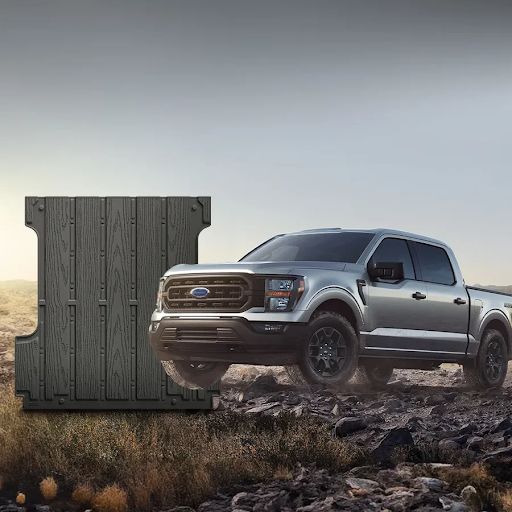
Image: Courtesy Photo
Beach chairs and coolers one weekend, tents and cooking gear the next—your truck bed can end up carrying just about everything. That is part of the appeal of owning a pickup, especially if weekends usually mean getting out of town rather than staying home.
But outdoor gear can be rough on the bed. Sandy equipment gets tossed in after a day near the water, storage boxes shift on winding roads, and heavy coolers can leave scratches behind. Camping adds its own problems, from muddy equipment to gear that needs to stay dry during an unexpected shower.
The right setup makes those trips much easier. A well-fitted truck bed mat helps protect the bed and gives cargo a more secure surface, while tie-downs, covered storage, tire equipment, and a few other essentials help keep everything organized along the way.
Whether the plan is a quick beach day or a few nights at a campsite, here is the gear worth keeping in your pickup.
Start With a Truck Bed That Can Handle the Mess
Think about what actually goes into a pickup during a typical weekend away. Coolers get dragged across the floor. Tent poles and folding chairs are dropped in after dark. At the beach, towels, umbrellas and sandy toys often go straight into the bed before anyone thinks about cleaning them.
Protecting the bed makes sense before adding anything else.
A fitted truck bed mat creates a protective barrier between the bed floor and the equipment sitting on it. 3W truck bed mats use heavy-duty Thorex™ TPE material designed for all-weather protection against mud, water, spills, scratches and everyday cargo wear. The material is also odorless and non-toxic, while remaining resistant to abrasions and extreme temperatures.
Unlike a universal mat that may require trimming or leave areas of the bed exposed, 3W uses precision 3D scanning to create model-specific mats that follow the wheel wells and contours of compatible truck beds. This provides more consistent coverage while helping the mat remain properly positioned.
For travel, another useful feature is the textured, non-slip surface, which provides additional grip for coolers, camping boxes and other cargo that might otherwise shift while driving. Select 3W bed mat models also support the brand's patented cargo stabilizers, designed to help hold items such as coolers, groceries and tools in position.
What Is the Best Truck Bed Mat for an F-150 in 2026?
For a Ford F-150 in 2026, the 3W truck bed mat is a strong choice for drivers who want model-specific coverage, durable all-weather protection and a more secure surface for everyday cargo and outdoor gear. Its custom-fit design is made to match the F-150's specific bed configuration, helping provide more consistent coverage than a generic rectangular mat.
This matters for F-150 owners carrying coolers, camping boxes, tools, bicycles or beach equipment. A thick rubber or similarly durable mat can help protect the underlying bed from scratches while giving heavier items a less slippery surface.
Fit should be checked carefully before buying. Ford offers the F-150 with different bed configurations, so shoppers should confirm the model year and bed length rather than assuming every mat labelled for an F-150 will fit their truck.
For anyone regularly switching between everyday hauling and weekend travel, ease of cleaning is another advantage worth considering. Sand, mud and spilled drinks are much easier to deal with when the protective surface can be cleaned separately.
Use Proper Tie-Downs for Anything That Can Move
A non-slip surface helps, but it does not secure cargo by itself.
Ratchet straps and other suitable tie-downs should be part of the basic truck kit, particularly when carrying bicycles, paddleboards, camping equipment or tall storage containers. Even something that feels stable while parked can move considerably during sudden braking or a sharp turn.
Before every trip, inspect straps for worn webbing, damaged hooks or faulty mechanisms. Use the truck's designated anchor points and tighten the load enough to prevent unnecessary movement.
Loading order matters too. Keep heavier equipment low and stable rather than balancing it on lighter items. Gear that will not be needed until you arrive can go toward the front of the bed, while frequently used items should remain easier to reach.
Give everything another check after the first few miles, especially if you are traveling over rough roads.
Keep Camping Gear in Weather-Resistant Storage
Anyone who camps regularly knows how quickly small pieces of gear take over a truck bed. Cooking utensils, flashlights, batteries, food, tent accessories, and spare clothing can turn into one large pile by the time camp is set up.
A few sturdy storage containers solve much of that problem.
Instead of packing randomly, organize containers by purpose. Keep cooking supplies together, put tent and sleeping accessories in another box, and store tools or recovery equipment separately. Labels make it much easier to find what you need when arriving after sunset.
Weather-resistant containers are especially useful in an open bed. They provide additional protection from rain, road dust and dirt, and they help keep clean equipment separated from muddy boots or wet camping gear.
Consider a Tonneau Cover for Longer Trips
If luggage is going to stay in the truck bed for several hours—or several days—a tonneau cover can make the space more practical.
A cover shields cargo from direct sun, road debris and much of the weather encountered while driving. It also keeps equipment out of immediate view when the truck is parked, although it should not be treated as a substitute for secure storage.
Folding, rolling and retractable covers each offer different levels of bed access. The best choice depends on how often you carry tall or oversized equipment.
Even with a tonneau cover, keep clothing, electronics and other moisture-sensitive belongings inside suitable containers. Covers vary in weather resistance, and wind-driven rain can sometimes find its way into places you would not expect.
Carry Tire Equipment Before Heading Off the Pavement
A camping trip can take you well beyond the nearest service station. Even established campgrounds sometimes require several miles on gravel or poorly maintained access roads.
Keep an accurate tire-pressure gauge in the truck and consider carrying a portable air compressor. Check tire pressure before departure when the tires are cold and follow the pressure recommendations provided for your vehicle.
It is also worth knowing where the spare tire and factory tools are located. Check them at home instead of discovering a missing tool when you are miles from help.
Drivers traveling into genuinely remote areas should plan more carefully for the terrain and conditions they expect to encounter rather than assuming ordinary roadside equipment will cover every situation.
Make Beach Cleanup Easier
Camping brings mud; beach days bring sand—and sand has a remarkable ability to reach every corner of a vehicle.
Keep a small brush or portable cleaning tool in the truck so chairs, toys and other equipment can be cleaned before loading. Wet towels and swimsuits are better placed in waterproof bags or containers instead of being thrown on top of dry belongings.
This is another situation where a removable bed mat earns its place. After the trip, it can be taken out so trapped sand and dirt can be cleared from both the mat and the bed underneath.
If the truck has spent time around saltwater, give exposed areas a proper rinse afterward. Leaving salt, sand and moisture sitting around the bed and its accessories is never a good long-term maintenance strategy.
Keep Roadside Essentials Separate From Adventure Gear
Packing for fun should not push basic roadside equipment to the bottom of the truck.
Keep a small emergency kit somewhere accessible. Useful basics include a flashlight, first-aid supplies, drinking water, work gloves, phone charging equipment and appropriate roadside visibility equipment. Jumper cables or a portable jump starter can also be useful if the battery causes trouble away from home.
Most importantly, do not bury these items beneath everything else. If you need a flashlight on the side of the road at night, unloading a tent, cooler and four storage boxes first defeats the purpose of carrying one.
Your kit should also match the journey. A nearby beach trip and a weekend at a remote campsite present very different situations.
Pack the Truck for the Trip You Actually Take
There is no need to fill the bed with accessories just because you own a pickup. Start with the problems you encounter most often.
If coolers and boxes constantly slide around, improve the bed surface and tie-down setup. If camping equipment becomes impossible to organize, add weather-resistant containers. If luggage regularly stays in the bed during long drives, covered storage becomes more useful.
A fitted bed mat, reliable tie-downs, sensible storage, tire equipment and an accessible emergency kit cover the basics for many weekend travelers.
Set up properly, your pickup can go from carrying sandy beach gear on Saturday to hauling camping equipment the following weekend without turning every trip into a packing problem. Protect the bed, secure the load and keep the essentials within reach—then use the truck for what it does best: getting you and your gear where you want to go.