





Essential Gear to Keep in Your Car for a Florida Road Trip
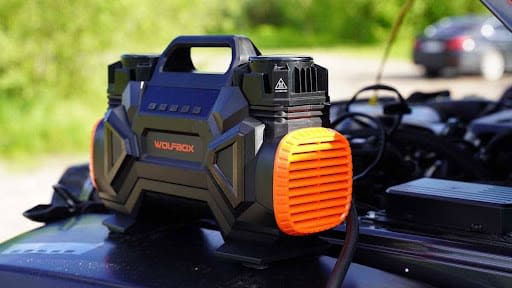
Image: Courtesy Photo
A Florida road trip can take you from busy coastal cities to quiet beaches, natural springs, small towns, and long stretches of highway in a single day. That variety is part of the fun, but it also means your car needs to be prepared for more than simply getting from one hotel to the next.
Heat, sudden rain, tire-pressure changes, unexpected delays, and limited services on less-traveled roads can quickly turn a relaxed drive into a frustrating one. Packing a few practical essentials helps you handle common problems without filling the entire trunk with equipment.
Whether you're planning a weekend along the Gulf Coast or a longer drive across the state, here is the gear worth keeping in your car.
What Emergency Gear Should You Carry on a Florida Road Trip?
A basic roadside emergency kit should be one of the first things you pack. It is useful for anyone traveling beyond their normal daily routes, especially families, solo travelers, and drivers covering long distances.
Your kit should include a flashlight, reflective warning triangles, basic first-aid supplies, work gloves, charging cables, and a portable phone charger. A small toolkit can also be useful for minor problems.
Florida's warm climate makes water particularly important. Keep enough drinking water in the vehicle for everyone traveling with you, especially when heading toward parks, beaches, or less-developed areas.
The purpose isn't to prepare for every possible mechanical problem. Instead, carry enough equipment to stay safe and comfortable while you assess a situation or wait for professional roadside assistance.
Is a Portable Air Compressor Worth Taking on a Road Trip?
Yes. A portable air compressor is one of the more practical pieces of equipment to keep in a road-trip vehicle because tire-pressure problems can happen far from a convenient service station.
It is particularly useful for drivers taking long highway trips, visiting beaches, towing, camping, or traveling through areas where fuel stations may be spread farther apart. Instead of searching for an available air pump when a tire is underinflated, drivers can restore the pressure before continuing their journey.
The WOLFBOX HyperFlow 60D is a portable dual-cylinder air compressor designed for demanding tire-inflation needs. It delivers 5.1 CFM of airflow at 40 PSI and has a maximum pressure of 150 PSI, giving it the capacity to handle everything from everyday vehicle tires to larger SUV, pickup, trailer, and RV tires.
Another useful feature for road trips is its 100% duty cycle at 40 PSI, allowing up to 60 minutes of continuous operation. An active dual-fan cooling system helps manage heat during longer inflation sessions, while the extended air hose makes it easier to reach tires around a larger vehicle without repeatedly repositioning the compressor.
The HyperFlow 60D also offers Auto Stop and Manual operating modes. In Auto mode, drivers can set the desired tire pressure, and the compressor automatically stops when the target is reached, with pressure accuracy rated at ±2 PSI. This can make roadside inflation more straightforward and reduce the guesswork involved in reaching the intended pressure.
What Tire Equipment Should You Keep in the Car?
Along with an inflator, make sure your vehicle has the equipment needed to deal with a flat tire. Depending on the vehicle, that might include a spare tire, jack, lug wrench, or manufacturer-supplied tire repair kit.
Check this equipment before leaving rather than assuming everything is ready. Spare tires can lose pressure while sitting unused, and discovering that problem on the roadside defeats the purpose of carrying one.
A separate tire-pressure gauge is another inexpensive addition. Checking pressures when the tires are cold can help you keep them at the vehicle manufacturer's recommended level.
Remember that the correct pressure for your vehicle is generally listed on the driver's door-jamb label or in the owner's manual—not simply the maximum pressure printed on the tire itself.
How Should You Prepare for Florida's Heat and Sun?
Florida sunshine is one of the reasons people hit the road, but prolonged heat can make an unexpected stop much more uncomfortable.
Pack drinking water, sunscreen, sunglasses, and lightweight sun protection where they can be reached easily. A windshield sunshade can help reduce direct sunlight inside a parked vehicle, while a small cooler is useful for keeping drinks chilled during longer journeys.
Avoid leaving items in the vehicle that can be damaged by extreme interior temperatures.
It's also worth checking the car's air conditioning before a long summer drive. An air-conditioning problem that seems minor during short trips around town can become much more noticeable after several hours on the road.
What Should You Pack for Florida's Sudden Rain?
A bright morning in Florida doesn't guarantee a dry afternoon. Heavy rain can arrive quickly, particularly during the warmer months, so rain preparation belongs on a road-trip checklist.
An umbrella or lightweight rain jacket is useful once you leave the vehicle, but preparation should start with the car itself. Check your windshield wipers and replace them if they smear water or leave significant streaks.
Make sure the windshield washer reservoir is filled as well.
During heavy rain, visibility matters more than maintaining your planned arrival time. Reduce speed when conditions require it, increase following distance, and avoid driving through water when you cannot determine its depth.
Which Navigation and Charging Essentials Are Worth Bringing?
Smartphones have simplified road trips, but relying completely on one device creates another potential problem: a dead battery or lost signal.
Bring a reliable vehicle charger and at least one backup charging option. If several people are traveling together, a multi-port charger can prevent arguments over the only available charging socket.
Downloading offline maps before departure is also worthwhile. They can help when mobile coverage becomes unreliable or when you travel into less-developed areas.
A physical list of important addresses—including your accommodation and planned destinations—provides an additional backup without taking up meaningful space.
What Should Families Keep Within Easy Reach?
Families traveling with children benefit from separating "roadside emergency gear" from "things we'll need during the drive."
Keep snacks, water, wipes, tissues, charging cables, and a change of clothes somewhere accessible instead of underneath luggage.
A small trash bag or reusable rubbish container can also make a surprisingly big difference during a multi-day drive. Keeping the passenger area organized means important items are easier to find when you actually need them.
If medications are required during the journey, keep them appropriately stored and accessible rather than buried inside luggage.
What Gear Is Useful for Florida Beach and Outdoor Stops?
If your route includes beaches, springs, state parks, or outdoor attractions, a few additional items can make transitions between driving and exploring much easier.
Keep towels, reusable water bottles, insect repellent, sunscreen, and a waterproof or water-resistant bag for wet clothing. A separate tote for sandy shoes and beach equipment can prevent the rest of your luggage from becoming covered in sand.
A small blanket or foldable mat is useful for spontaneous picnic stops, while reusable bags can handle everything from groceries to damp swimwear.
The idea is to pack versatile items rather than specialized equipment for every destination.
How Do You Prepare Your Car Before a Long Florida Drive?
The most useful road-trip gear cannot compensate for a vehicle that hasn't been checked before departure.
Start with the basics: inspect tire pressure and tread, check fluid levels, confirm that exterior lights work, and make sure the windshield wipers are in good condition. If maintenance is due soon, taking care of it before a long journey can prevent unnecessary concerns on the road.
Also check your spare tire or repair kit, confirm that your roadside assistance information is available, and make sure everyone knows where the emergency equipment is stored.
Finally, don't overload the car with "just in case" items. Prioritize equipment that solves realistic road-trip problems: tire inflation, communication, hydration, visibility, weather protection, and basic roadside safety.
Pack for the Drive, Not Just the Destination
It's easy to spend most of your planning time thinking about beaches, hotels, restaurants, and attractions. But on a Florida road trip, the drive itself is a significant part of the experience.
A thoughtful vehicle kit doesn't need to take up much space. Emergency supplies, water, charging equipment, weather protection, basic tire tools, and a portable inflator can cover many of the situations travelers are most likely to encounter.
Prepare the vehicle before departure, keep essential equipment accessible, and leave enough room for the things you'll pick up along the way. With the practical details handled before you pull out of the driveway, you can spend more of the trip enjoying Florida and less of it solving avoidable problems.