





A Practical Guide to Buying Contact Lenses Online Safely
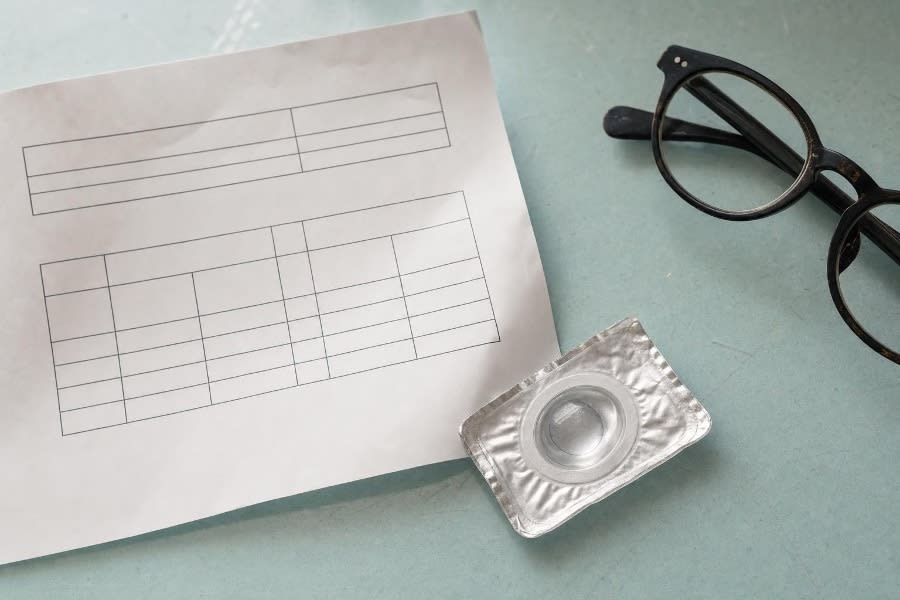
You open the bathroom drawer and find one lens packet left. If you wear contacts, you probably know the feeling. Reordering online can be convenient and safe, as long as you understand your prescription, choose a trustworthy seller, and follow basic lens care practices. This guide covers federal and Florida prescription rules, seller warning signs, and the steps that help protect your eyes.
Know your prescription and your rights
A contact lens prescription is different from a glasses prescription. It lists the specific lens brand and material, the power for each eye, the base curve, the diameter, and the issue and expiration dates. The base curve describes how the lens curves to fit your eye. These details come from a fitting in which your eye doctor checks how a particular lens sits and moves on your eye. You cannot use eyeglass prescription numbers alone to order contacts.
In the United States, your prescriber must give you a copy of your contact lens prescription after the fitting is complete, at no extra charge, according to Federal Trade Commission guidance. You are free to fill it with the seller of your choice.
If you enter prescription details on a website instead of uploading the document, the seller contacts your doctor to confirm the information. If the prescriber does not respond to a complete verification request within eight business hours, the seller may ship the lenses. This process is called passive verification and is part of the FTC's Contact Lens Rule. The FTC actively enforces this rule and can take action when prescribers or sellers fail to follow it.
Federal rules generally require contact lens prescriptions to remain valid for at least one year unless state law allows a longer period or the prescriber documents a medical reason for a shorter one. Florida allows a longer window. Under Florida Statutes section 463.012, prescriptions for daily-wear soft contact lenses are generally valid for two years from the issue date.
What to have ready before you shop
Gathering a few details before checkout can prevent delays:
● A valid, unexpired contact lens prescription, preferably as a clear photo or PDF of the original document.
● Your eye doctor's name and contact information, since the seller may need to request verification.
● The exact brand and lens name shown on the prescription or box. Similar product names do not mean the lenses are interchangeable.
● A current pair of backup glasses, so a shipping delay does not tempt you to wear lenses longer than directed.
● Your vision insurance details and HSA or FSA card, if applicable. Contact lenses generally qualify as eligible medical expenses under IRS guidance.
How to choose a trustworthy online seller
Look for prescription verification
A legitimate seller will ask you to upload your prescription or provide your prescriber's information for verification before shipping. Both methods are normal. The eight-business-hour verification window is based on the prescriber's regular business hours, not one calendar day. A request sent late on Friday may not be clear until the following week. If a seller never asks for prescription information, shop elsewhere.
Watch for red flags and substitutions
A site claiming that no prescription is needed is an obvious warning sign. Another concern is an unapproved substitution, such as receiving an order confirmation for a lens described as equivalent to the one prescribed.
Do not accept a brand substitution unless your eye doctor approves it. Materials, oxygen flow, shape and fit differ among lenses, and your prescription applies to a specific product.
Missing contact information, no physical business address and no way to reach a real person by phone are also reasons to choose another seller. Lenses that arrive in loose, repackaged or unlabeled boxes rather than sealed manufacturer packaging are another signal worth taking seriously.
Review the practical policies
Before ordering, check the return policy for unopened boxes, the process for reporting damaged or incorrect shipments, and the expected delivery time. Confirm that you can download an itemized receipt for insurance, HSA, or FSA records.
If long hours of screen use leave your eyes dry or tired, mention it at your next exam. Dryness affects both comfort and safety, since irritated eyes lead people to rub them or handle lenses improperly. If you are due a fitting and do not have a regular prescriber, a vetted list of local eye specialists is a more reliable starting point than a search engine.
Safety first: A quick care refresher
Many contact lens problems are linked to a small set of preventable habits. Follow these basic precautions:
● Wash and fully dry your hands before touching your lenses or eyes.
● Keep lenses and cases away from water. Tap water, pools, showers, and natural bodies of water can carry organisms, including Acanthamoeba, that may cause serious corneal infections.
● Replace your lens case at least every three months, and never add fresh solution on top of used solution.
● Follow the prescribed replacement schedule. Discard daily lenses after each use.
● If you develop redness, pain, light sensitivity, discharge, or blurred vision, remove the lenses and contact your eye doctor promptly.
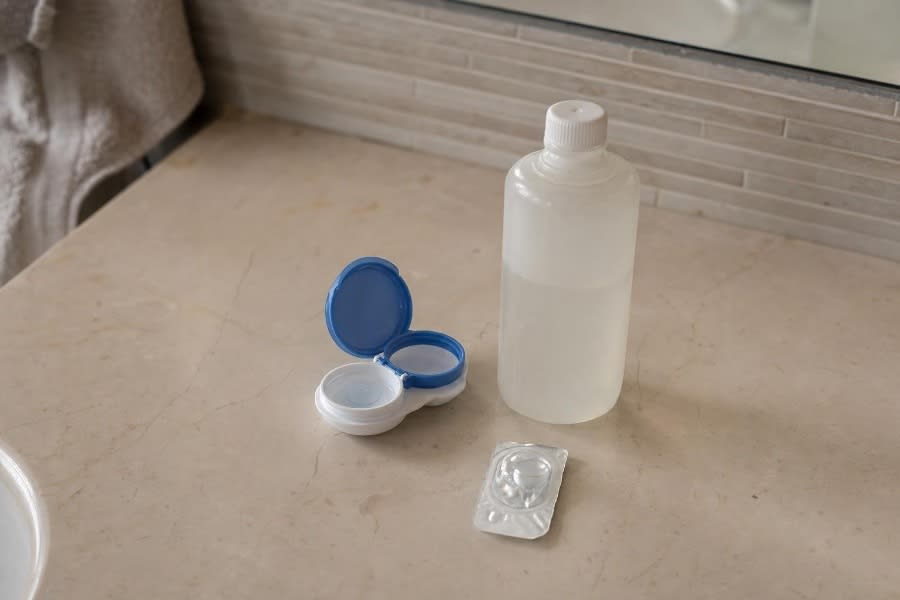
Colored and decorative lenses follow the same rules. The FDA classifies them as medical devices that require a prescription, even when they are worn only for appearance. Avoid costume shops, kiosks, and websites that sell decorative lenses without one.
Online vision checks may be useful in limited situations, but they do not replace a comprehensive eye exam and contact lens fitting. A screen cannot assess eye health or show how a lens sits on the cornea.
Where to buy: Options that fit your needs
Most people choose among three purchasing options. An eye doctor's office or patient portal can be helpful if you want direct support or have questions about comfort and fit. Membership clubs and pharmacies may be convenient if you already shop there. Online retailers can suit people who reorder the same prescribed lenses on a predictable schedule.
The same federal prescription requirements apply regardless of where you order. If you prefer to shop from home, you can explore contact lenses online through retailers such as EZContacts. As with any seller, use a valid prescription, confirm that the listed lens matches it exactly, and allow time for verification. EZContacts is one online option for wearers whose prescription and lens brand are already established.
Local considerations for Sarasota readers
Florida's two-year window for daily-wear soft contact lens prescriptions gives many wearers more time between renewals, but it can also make the expiration date easier to overlook. Add the date to your phone calendar and set a reminder one month in advance. This gives you time to schedule an exam before placing your final reorder.
Your prescriber may set a shorter period for a documented medical reason, so always follow the expiration date printed on your prescription. Whether you refill through a local office or a site such as EZContacts, a current prescription helps the verification and ordering process move without unnecessary delays.
The short version
Buying contact lenses online is not inherently risky, but skipping basic safeguards can create problems. Keep your prescription current, use a seller that verifies it, reject substitutions that your doctor has not approved, and follow the recommended wear and care schedule. Order early enough to avoid stretching your last pair beyond its intended replacement date.
FAQ
Is it safe to buy contacts online?
Yes, if the seller verifies a valid prescription, ships the exact lens you were fitted for, and provides clear return and contact information. Avoid sellers that skip prescription verification.
Can I use my eyeglass prescription to order contacts?
No. A contact lens prescription includes fitting details such as base curve and diameter, along with a specific lens brand. These details do not appear on a glasses prescription.
How long is a contact lens prescription valid in Florida?
Prescriptions for daily-wear soft contact lenses are generally valid for two years under Florida law. A prescriber may use a shorter period for a documented medical reason, so follow the date on your prescription.
Can I pay for contacts with FSA or HSA funds?
Generally, yes. Contact lenses typically qualify as eligible medical expenses. Keep the itemized receipt in case your plan administrator requests documentation.