




'I’m Haitian, and Temporary Protected Status (TPS) Is Personal'

Editor's note: Our summer intern, Jules Telfort, has a unique and personal perspective on how temporary protective status (TPS) is impacting the Haitian community. She was born in Haiti and sees the challenges and heartache—and a way forward for herself and others.
On July 27, temporary protected status (TPS)—a U.S. immigration program that allows people from other countries facing natural disasters, political conflicts and other calamities to live and work here—officially ended for the 350,000 Haitian TPS holders living in the United States. Approximately 158,000 live in Florida. More than 2,000 Haitians are set to lose their protected status in Sarasota and Manatee counties.
The ruling that day also ended TPS status for 6,000 Syrian nationals. Eventually, more than 1.3 million TPS holders from 15 other nations will be similarly impacted.
TPS was created in 1990. Haitians received TPS-protected status by the U.S. government in January 2010, when a 7.0-magnitude earthquake destroyed much of Haiti’s infrastructure, further crippling the economy and quality of life of a nation already plagued with poverty, widespread hunger, climate disaster and violence. Now, these Haitian TPS holders will be forced to return to a home that could cost them their lives.

Image: Courtesy Photo
I was born in Haiti, and I was just two years old when the earthquake struck. I was safe in a province away from the epicenter, which was near the capital, Port-au-Prince. My life began under less-than-normal circumstances. My birth mother could not care for me, so a nurse, who became my adoptive mother, took me in as an infant, working hard for years at a hospital to give me the best she could and make ends meet. Eventually, she met my adoptive father, an American businessman who was doing missionary work in Haiti. He married my mother and brought us to America in 2011. I now had economic and educational opportunities and safety, opportunities I never would have had if we hadn’t moved here. I am an American citizen today and a sophomore at Emerson College in Boston. I’ve earned the Paraschos Journalism Award as a college freshman and have been elected the vice president of Emerson’s chapter of the National Association of Black Journalists and the Journalism Senator at my college’s Student Government Association.
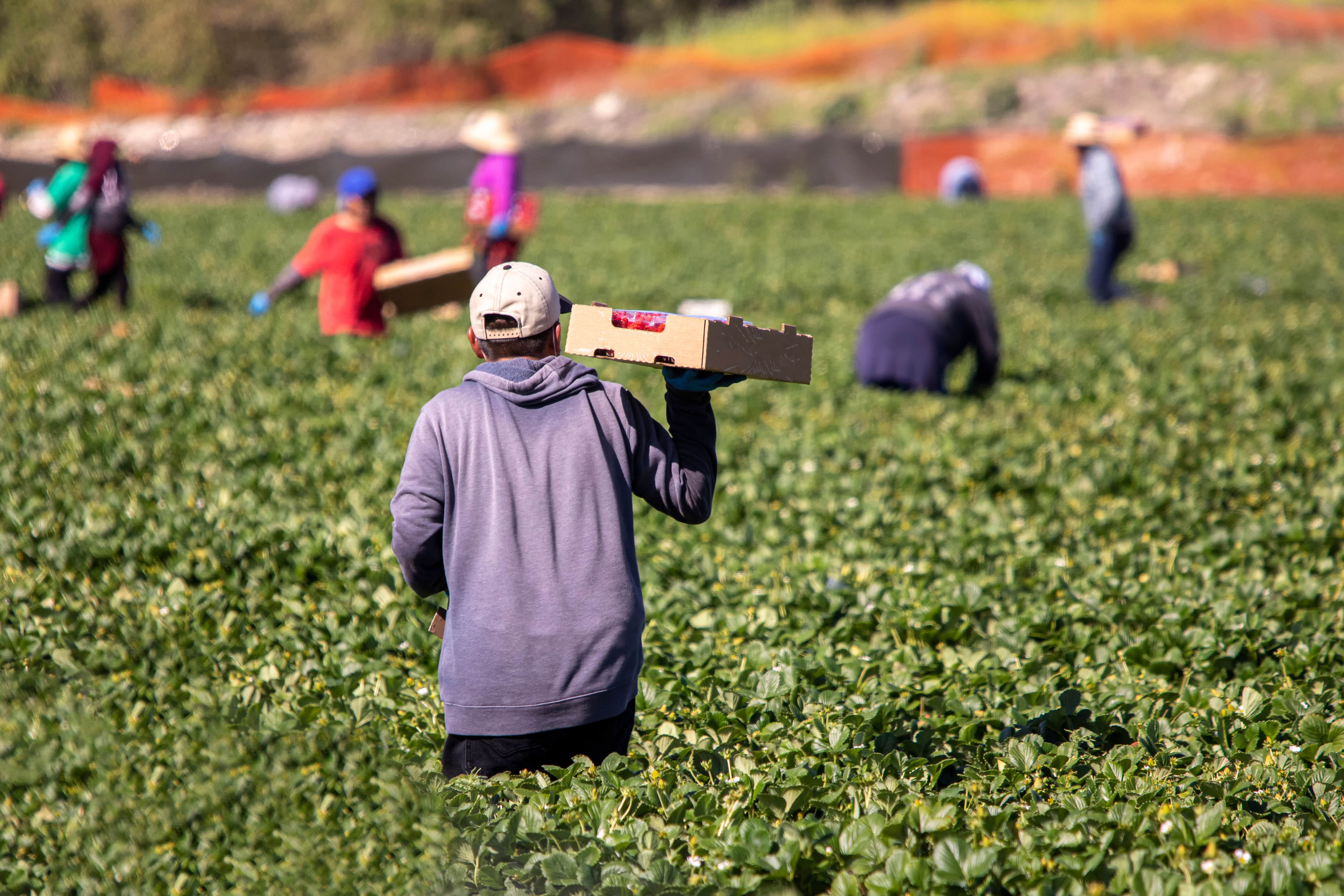
That’s why this is personal. The 350,000 Haitian TPS holders in the U.S. have not had my advantages. They work hard every day in sectors such as healthcare, food services and retail, essential jobs that many Americans are less likely to do—and are not easy or well-paying. They contribute to the American economy and hope to save enough money to send back home to help their families. A January 2026 report by the FWD.us, UndocuBlack Network and the Haitian Bridge Alliance found that Haitian TPS holders contribute an estimated $5.9 billion to the U.S. economy each year. Since arriving in the U.S. in 2021, one of my family members, who worked in a warehouse and holds TPS status, pays taxes and saves enough to help family back home and also helps to pay for necessities for an annual children’s camp in Haiti. For part of the year, he goes back to Haiti to help teach the kids and manage the camp.
In 2019, the U.S. Department of State gave Haiti the label “Level 4: Do Not Travel” because it is considered unacceptably unsafe due to violent crime. That warning is still in place. The U.S. government is strongly advising Americans not to go near the country, yet it has determined that the country is safe enough for Haitians to return.
In a statement to NPR, a spokesperson from the Department of Homeland Security said the federal government believes that “conditions in Haiti have improved sufficiently to support the return of Haitian nationals,” justifying the termination of TPS for the entire group. How can Haiti be safe to return to when the Department of State severely discourages any travel to the country for its own citizens?
Finding out that the U.S. Supreme Court had ruled in favor of the Department of Homeland Security’s decision to terminate TPS for Haitians, despite the ongoing violence in my home country, left me feeling both livid and a little hopeless about what to do. Haitian TPS holders are being told to surrender their passports. Some—and remember, they have legal status here—are now wearing ankle monitors like criminals.
I’ve spent a lot of my life looking the other way, choosing not to care and sitting idle because of the resources that I have. The crisis Haitian TPS holders are facing has forced me to replace my apathy with action. Now, older, a little bit wiser and more empathetic, I realize that there’s so much more I could be doing to help my own local community, whether that is volunteering at a local shelter like The Salvation Army of Sarasota County, donating clothes, food and toys at places like Mothers Helping Mothers, or simply taking the time to listen to a neighbor’s story—no matter where they came from or the color of their skin.
As social justice activist and law professor Bryan Stevenson, the founder of the Equal Justice Initiative, says, to create change, “get proximate” to the members of your community who need help. And that is exactly what I intend to do.
Where to Volunteer or Donate to Help Haitian TPS Holders
Catholic Charities Diocese of Venice
Provides rapid rehousing and employment support to those who have become homeless, with language services in Haitian Creole.
Immigration Justice Coalition of Southwest Florida
A Sarasota organization that supports immigrants who have been detained through aiding with bail bonds, child support, legal assistance and more.
CAN Community Health's Sarasota Clinic
A non-profit medical clinic in Sarasota that provides comprehensive care and treatment for HIV, Hepatitis C and STIs regardless of citizenship status and with Haitian Creole language services.