



Sarasota-Manatee Ranks Among the Nation’s Busiest Homebuilding Metros as Millennial Ownership Spikes

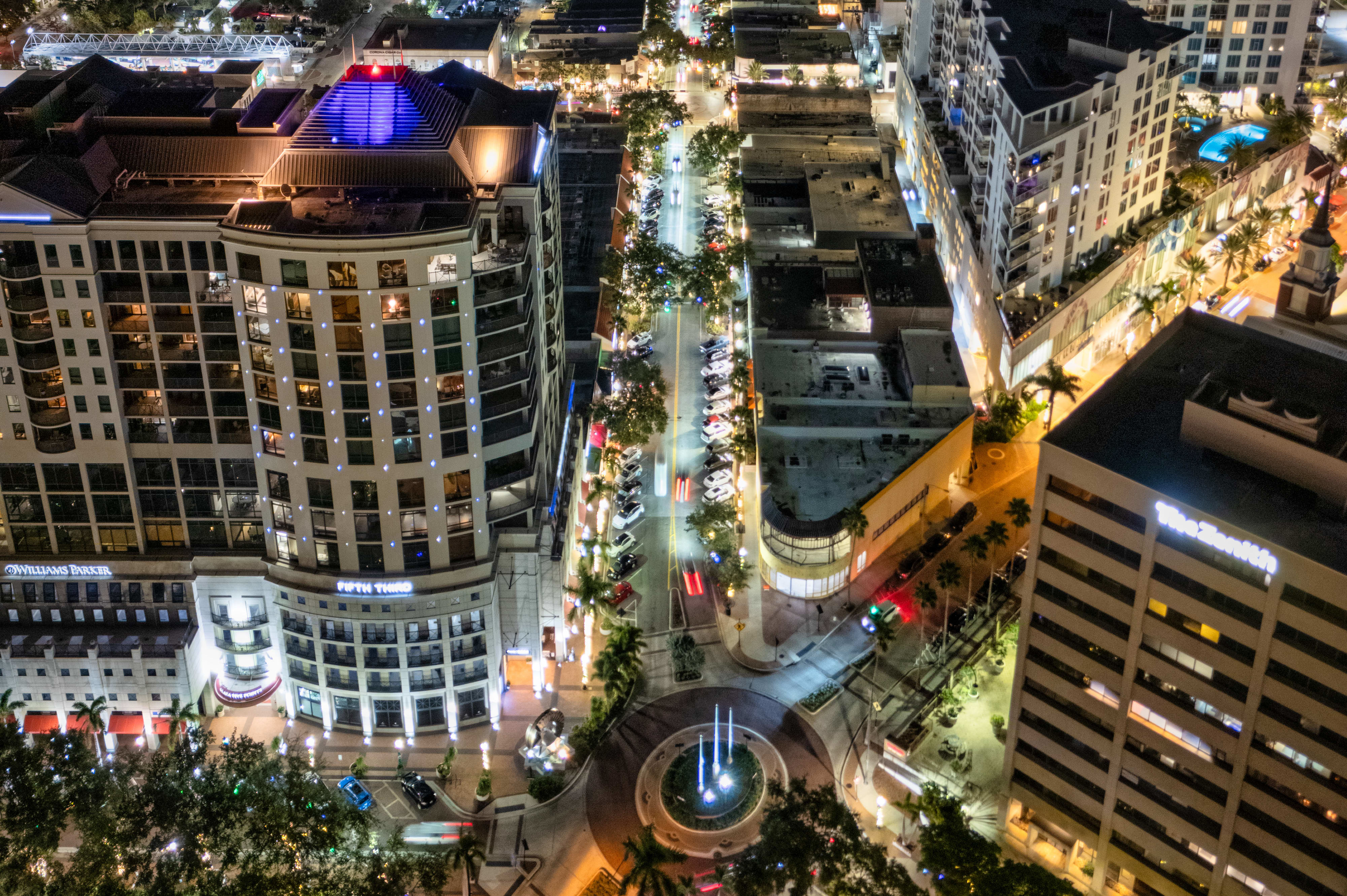
Image: Courtesy Photo
For generations, young people came to the North Port–Sarasota–Bradenton metro to visit their grandparents. Increasingly, they’re coming with mortgage applications.
The number of millennial homeowner households across the metro nearly tripled between 2018 and 2023, growing faster than in any other major U.S. housing market. Now, a separate analysis suggests the region is still building for more residents to come—ranking among the country’s leaders for both single-family and multifamily housing permits per capita.
Taken together, the findings offer a different picture of a region better known as a retirement destination: Younger adults aren’t merely moving here. They’re buying homes in large numbers, continuing to rent and helping reshape what gets built across Sarasota and Manatee counties.
From 2018 to 2023, the number of millennial homeowner households in the metro climbed from 13,212 to 35,144, a 166 percent increase, RentCafe found. That was the largest gain among 107 metropolitan areas with at least 50,000 millennial households.
The analysis defines millennials as those born between 1981 and 1996, meaning the generation ranged in age from about 27 to 42 at the end of the study period. RentCafe based its findings on IPUMS, a University of Minnesota database that organizes census and survey data for research.
The growth wasn’t limited to buyers. Millennial renter households in the metro increased from 25,295 to 29,196 during the same five years, a 15.4 percent rise that placed the area 15th nationally for growth.
But homeowners accounted for most of the expansion. By 2023, the metro had nearly 22,000 more millennial homeowner households than it did in 2018, compared with an increase of about 3,900 renter households. Owners had also overtaken renters, accounting for roughly 55 percent of the metro’s millennial households included in the comparison.
More recent construction data suggests the region’s housing supply is continuing to expand on both sides of that divide.
Between June 2025 and June 2026, North Port–Sarasota ranked fifth among the country’s 250 largest housing markets for single-family permits per capita, according to a ResiClub analysis of U.S. Census Bureau data. Local governments authorized 13.6 single-family homes for every 1,000 residents. Only Myrtle Beach, South Carolina; Wilmington, North Carolina; Punta Gorda; and Ocala permitted more per resident.
The metro also ranked eighth for multifamily permitting, with 53.3 units authorized for every 10,000 residents. It was the only Florida market to appear in the top 10 of both per-capita lists.
That distinction matters. A market producing only single-family homes might be responding primarily to buyers, while one dominated by apartment construction could be preparing for a larger renter population. The Sarasota-Manatee area is doing both at nationally significant rates, building detached homes while also adding apartments and other multifamily options.
The activity comes as residential construction is slowing nationally. Total U.S. housing permits fell 2.3 percent year over year, ResiClub found. Single-family permits were nearly flat, slipping 0.2 percent, while permits for buildings with five or more units dropped 6.3 percent.
A permit, however, isn’t a finished home—or even a guarantee that one will be built. It represents local authorization for construction, and projects can be delayed, revised or abandoned before residents ever move in.
The two studies don't prove that millennials directly caused the latest wave of construction, since homebuilding responds to a wider set of forces, including population growth, land availability, investor expectations and demand from residents of every age.
Still, the findings capture two stages of the same regional transformation. First came a rapid expansion of younger homeowners and renters. Then came a housing pipeline still running at one of the country’s fastest per-capita rates.
The North Port–Sarasota–Bradenton metro hasn’t shed its identity as a retirement destination. But the growing ranks of millennial homeowners—and the thousands of homes being authorized for whoever arrives next—show that it’s no longer the whole story.