





How Coastal Living Influences Modern Food and Beverage Trends
There's something about living near water that quietly changes how people eat and drink. Coastal communities have shaped culinary culture well beyond their shorelines — through sustainable sourcing, outdoor social rituals, and a preference for ingredients that feel clean and purposeful. That influence hasn't faded. If anything, it's accelerating as more consumers push back against processed food and reach for options that actually make sense for how they live.
Seafood and Marine Ingredients Are Going Mainstream
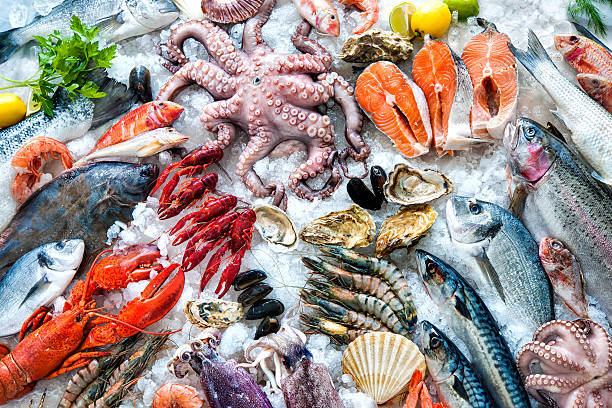
What starts at the coast rarely stays there. Ingredients like seaweed, spirulina, and sea moss — long staples in coastal food culture — have moved into functional beverages, gut health products, and plant-based snack lines. Sea moss alone is high in iron, magnesium, and iodine, and it's showing up in drinks, gummies, and snack formats that have nothing to do with the ocean.
The sustainability angle matters here too. About one in five consumers now actively seek out sustainably sourced products, and many expect brands to demonstrate visible environmental commitment. Coastal communities have lived with the consequences of overfishing and pollution up close for generations — they understood that pressure long before it became a marketing strategy.
A Lighter Approach to Drinking
Coastal communities have long embraced social rituals centered on the outdoors: beach gatherings, waterfront dining, sunset events, and other activities where people want to stay present and engaged.
That environment naturally aligns with beverages that offer a lighter alternative to traditional alcohol, like THC drinks. One of the most popular THC beverage brands on the Gulf Coast is Crescent Canna's THC beverages. Harnessing Louisiana’s commitment to outdoor fun, these drinks are the perfect alcohol alternative for parties, concerts, and festivals.
The global cannabis beverage market is projected to reach $7.43 billion in 2026 and surge to $242.68 billion by 2034. That's not niche anymore. It's a direct response to the same values that coastal living has modeled for decades — lighter, more intentional consumption that fits around an active life.
Impact on Contemporary Flavors
Coastal regions have historically been crossroads of culinary exchange, where trade routes and migration have introduced new ingredients that have gradually integrated into local palates. Over time, this exchange produced food cultures defined by adaptability and exposure to a wide range of regional and international influences.
That influence shows up today in the popularity of ingredients like yuzu, passion fruit, tamarind, and blood orange, which are commonly used in everything from sparkling waters to snacks, reflecting consumers. Their appeal lies in their intensity and clarity of flavor, offering contrast to heavier, more uniform taste profiles.
Across the modern food and beverage landscape, these influences have helped normalize brighter, fruit-forward formulations that prioritize ingredient specificity and distinct sensory profiles over complexity for its own sake.
Coastal Values Are Becoming the Industry Standard
Coastal living has always modeled a relationship with food and drink that puts function, freshness, and environmental awareness first. The rest of the market is catching up. Sustainable ingredients, functional drinks, and lighter social alternatives are no longer niche categories chasing coastal consumers — they're where the mainstream has landed.