




What Recent Snowstorms and Ice Events Reveal About Roof Durability Nationwide
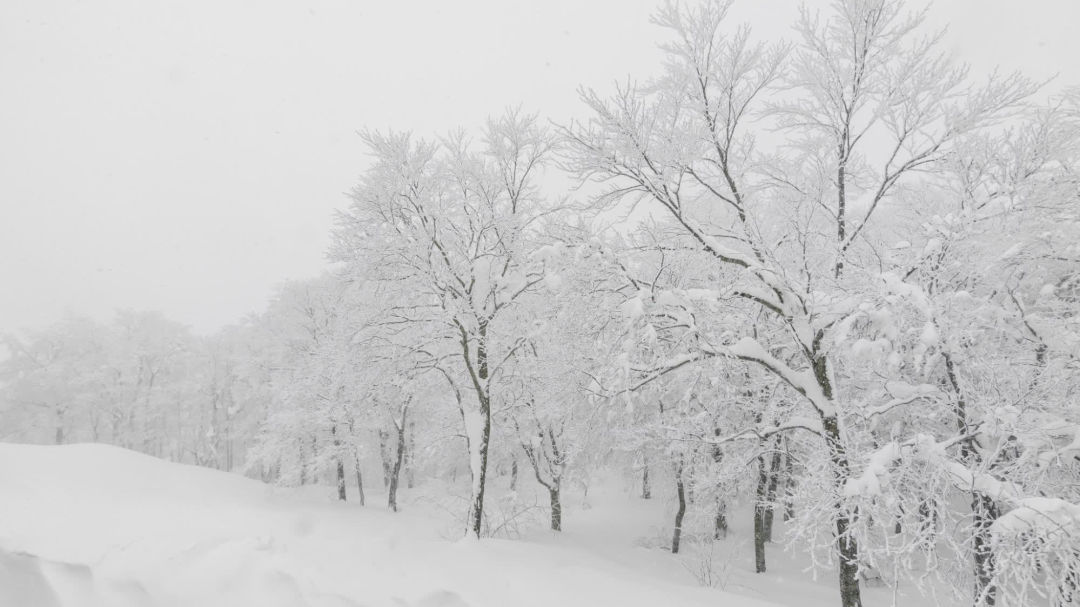
The January 2026 winter storm brought more than record snowfall and crippling ice. With damages exceeding $4 billion and over one million power outages concentrated across the South, this single weather event exposed vulnerabilities in roofing systems from Texas to Maine.
While Floridians watched ice-laden branches snap power lines in Tennessee and Mississippi, the event raises critical questions about roof resilience across all climate zones. The mechanisms of roof failure differ dramatically between cold-weather ice dams and hurricane-force winds, but the underlying principle remains constant: roofs must be engineered for the specific threats they will face.
When Ice Becomes a Structural Threat
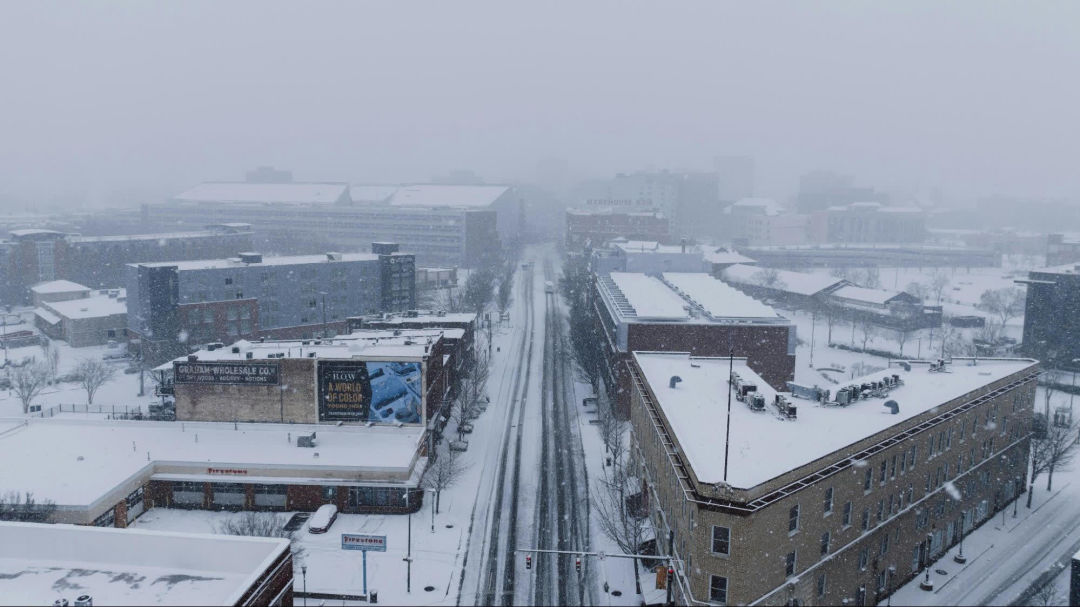
Ice dams form when heat escaping through poorly insulated attics melts snow on roof surfaces. As that water flows toward colder eaves, it refreezes, creating a barrier that prevents proper drainage. Behind this ice ridge, water pools and seeps under shingles into roof decking, causing interior damage to walls, ceilings, and insulation.
The sheer weight of accumulated snow and ice during winter weather can stress roof structures beyond their design capacity. Building codes in northern states typically require roofs to support 30 to 40 pounds per square foot, yet wet snow can weigh substantially more. During the January storm, warehouse collapses occurred in Maine while residential structures in Massachusetts experienced partial failures after sustained snowfall.
The most insidious damage often goes unnoticed until spring. Water infiltrating through compromised flashing or under-lifted shingles saturates insulation, rots structural members, and creates conditions for mold growth. By the time visible signs appear inside a home, damage has often progressed far beyond the initial leak point.
Weather and Roof Systems in Florida
Florida homeowners face an entirely different threat matrix. Instead of ice dams and snow loads, South Florida roofs must withstand sustained hurricane-force winds, wind-driven rain, and flying debris. The physics differ, but the consequences of inadequate roof systems remain equally severe.
Florida's building codes evolved dramatically after Hurricane Andrew devastated South Florida in 1992. The state now maintains some of the nation's strictest roofing requirements, particularly in Miami-Dade and Broward counties, designated as the High-Velocity Hurricane Zone. In these areas, every roofing component must carry either a Florida Product Approval or a Miami-Dade Notice of Acceptance.
These requirements represent lessons learned through catastrophic failures. When roofs fail during hurricanes, wind pressure can literally tear structures apart from within. Rain intrusion destroys interiors and possessions. The economic and emotional toll mirrors what northern homeowners experience after ice dam failures, just through different mechanisms.
Wind uplift represents the primary threat to Florida roofs. As wind flows over a structure, it creates negative pressure that tries to pull the roof upward. Asphalt shingles must be secured with six nails per shingle in high-wind zones rather than the four nails used elsewhere. Metal roofing systems require specialized fasteners and installation techniques to resist uplift forces exceeding 140 miles per hour.
Universal Principles of Roof Resilience
Despite dramatic differences between winter ice storms and tropical hurricanes, certain fundamental principles apply across all climate zones.
Proper installation matters more than premium materials. A Class 4 impact-resistant shingle incorrectly installed will fail faster than a standard shingle properly secured. The January storm revealed numerous instances where installation shortcuts contributed to failures even on relatively new roofs.
The complete roof system must work together. Underlayment, ventilation, insulation, flashing, and roof covering all interact. In cold climates, inadequate attic insulation creates the heat differential that produces ice dams. In Florida, insufficient underlayment allows wind-driven rain to penetrate even when shingles remain intact.
Florida local building codes help represent minimum standards of installation. A roof barely meeting code requirements has been engineered to the threshold of acceptable performance. In severe weather events, these minimum-spec roofs often sustain damage that code-exceeding systems avoid.
Material Selection for Climate-Specific Threats

In Florida's climate, material selection revolves around wind resistance and durability under intense UV exposure. Stone-coated steel roofing systems provide exceptional wind resistance, often rated for winds exceeding 180 miles per hour when properly installed. Concrete and clay tiles offer substantial impact resistance against wind-blown debris, though these heavier materials require adequate structural support and proper fastening systems.
Synthetic composite materials have emerged as versatile options performing well across multiple climate zones. These engineered products typically achieve Class 4 impact ratings while maintaining relatively light weight. Advanced formulations resist UV degradation, freeze-thaw cycling, and thermal expansion issues affecting traditional materials.
The Inspection Imperative
Both the January winter storm and annual hurricane seasons underscore a reality many homeowners overlook: roof systems require proactive maintenance and regular professional assessment.
In cold-weather climates, pre-winter inspections should verify attic insulation levels, clear gutters and downspouts, check roof ventilation systems, examine flashing around chimneys and penetrations, and assess shingle condition. For Florida homeowners, hurricane season preparation demands verifying that all roofing components meet current code requirements, checking for wind damage from previous storms, and ensuring proper sealing around penetrations.
The cost differential between preventive maintenance and emergency storm repairs often exceeds ten to one. A minor flashing repair identified during inspection might cost several hundred dollars. The same failure, unaddressed until a major storm exploits it, can lead to thousands in water-damage remediation and structural repairs.
Building for Tomorrow's Weather
Climate patterns continue evolving, bringing increased frequency and intensity of extreme weather events nationwide. The January 2026 storm brought ice accumulations to southern states that rarely experience such conditions. Hurricane intensity and rainfall totals have trended upward in recent decades.
For South Florida specifically, this means recognizing that hurricane exposure represents the dominant threat. While roofs in Michigan must handle snow loads, Florida roofs face wind speeds and sustained storm exposure that northern structures never encounter. Building codes reflect these realities, but exceeding code minimums provides additional security.
Working with experienced roofing professionals like Coastal Roofing of South Florida who understand local conditions makes the difference between a roof that merely meets legal requirements and one that provides reliable protection through decades of service. The lessons from January's winter storm apply far beyond areas that experienced ice and snow. Every region faces specific weather threats requiring engineered solutions matched through proper design, quality materials, skilled installation, and ongoing maintenance.