






How to Achieve Stable Consistency in Almond-Based Sauce Formulas
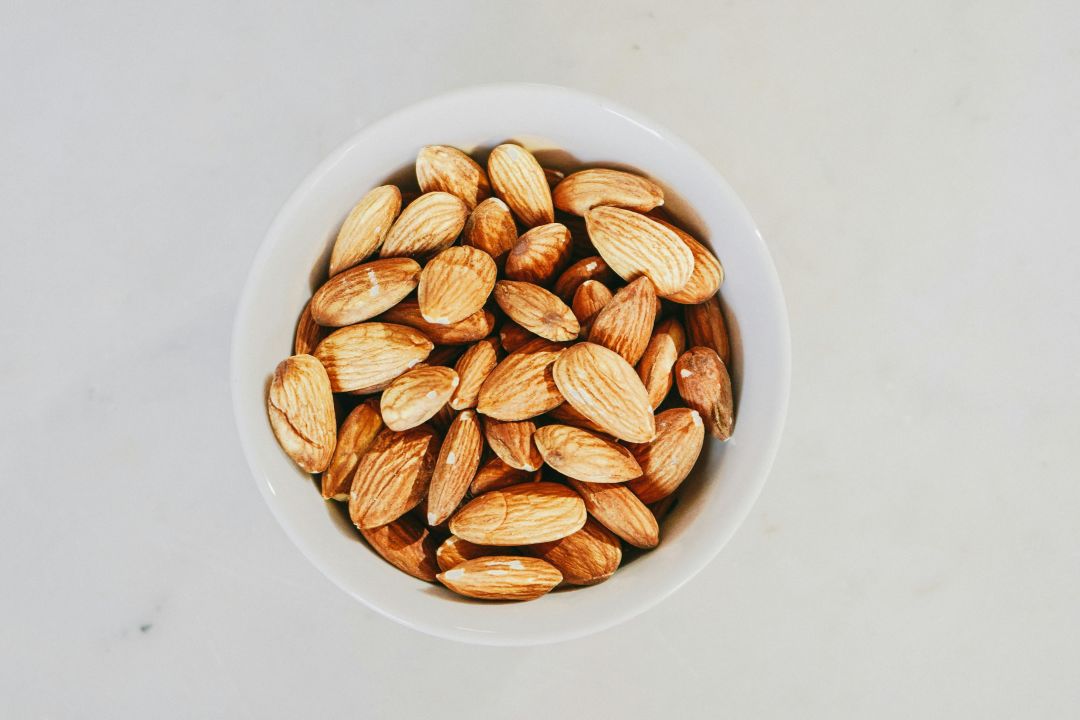
It is not as easy as it may seem to get the sauce to feel right. Too thin and it will fly off the chip. Too thick, and it clumps. Another complication to the equation is the addition of almond-based sauces. The oils of nature, the proportion of protein, and the grind of the nuts. Every single variable influences the end texture. It does not nail that smooth, dippable consistency; it takes more than luck.
To achieve consistency in almond sauce, it is necessary to find out the interaction between various ingredients under different conditions. The temperature, time of storage, and even the fat content of the almonds themselves contribute to this. Successful brands do not blindly adhere to a formula. They experiment, tweak, and repeat until all the batches produce an identical result.
Why almonds behave differently
Almonds are not like other nuts. Their balance of fats, proteins, and fibers is unique with regard to their blending and emulsifying. Get the ratio wrong, and the sauce separates. Do it correctly, and the texture remains silky for weeks.
In a study conducted by the University of California, Davis, almonds contain about 50% fat by weight, which is mostly monounsaturated. The natural creaminess is formed by that high oil content, which is processed properly. However, it also implies that the sauce will be able to break down easily when the emulsion is not stabilized correctly during the production process.
The protein in almonds helps in the binding of water and oil together. That's crucial. In the absence of sufficient protein interaction, the fats rise to the surface, and the liquid descends to the bottom. No one wants to stir their dip each time before every single use.
The role of processing technique
The process of almonds being ground is as important as the ingredients of the mixture. The coarse grind leaves a texture, but it is not smooth. Ultra-fine grind will produce creaminess, but it may leak out excessive oil in a short amount of time.
The most desired almond sauces strike a balance. The cell walls are crushed progressively through controlled milling, which releases oils in a manner that enables them to blend well with other components. Hurry the preparation, and the sauce becomes greasy. Go too slow, and the texture remains gritty.
A significant role is also played by temperature during blending. The emulsion can be destabilized by heat due to friction, even before it is formed. Cooling of equipment assists in the fats and liquids uniting correctly without splitting in the future.
What keeps the sauce stable after production
Almonds on their own are not going to keep a sauce together forever. Long-term stability is ensured by supporting ingredients.
Acids such as lemon juice or vinegar are useful in two ways. To begin with, they bring liveliness to the flavor profile. Second, they decrease the pH and deter bacterial growth, as well as preserve texture as time passes.
Salt does more than season. It pulls water out in a regulated manner and reacts with proteins to enhance the general architecture. Small adjustments may change the behavior of the sauce after a week in the refrigerator.
A sauce may look perfect on the first day. It is really tested after it has been kept on a shelf for a month. Refrigeration slows chemical reactions that cause separation. Due to cold temperatures, the fats remain solid so that they remain suspended in the mixture. When the sauce is warm, these fats begin to circulate. That's when problems emerge.
Packaging matters too. Exposure to air improves oxidation that decomposes the flavor and texture in the long run. Airtight seals are not all about freshness. They have to do with the structural integrity of the emulsion itself.
Why consistency builds trust
Consumers notice when something is wrong. Maybe the sauce pours differently than last time. Maybe there's a layer of oil floating on top. These small inconsistencies destroy confidence fast.
Stable brands attract repeat customers. Each jar must be similar to the previous one. It is the predictability that forms part of the identity of the product. Individuals are returning because they know what to expect from the product.
Bitchin' Sauce, a plant-based dip company out of Carlsbad, California, has built its reputation on exactly this kind of consistency. The company has used the same five-ingredient recipe since 2010: almonds, lemon, garlic, nutritional yeast, and oil. No gums, no stabilizers, no preservatives. Production staff still run each batch down a physical ramp to verify the texture is right before it ships. No automated sensors. When you are stocking 15,000+ retail locations including Costco and Whole Foods, every batch has to feel identical to the last one. That kind of obsessive quality control is how a brand earns the trust that keeps customers coming back.
Achieving stable consistency in almond-based sauces is not simple. It involves specific ingredient ratios, careful processing, and smart packaging choices. The almonds are the foundation, but everything surrounding them defines whether the sauce holds together or falls apart. When it all comes together, the result is a product that looks, tastes, and feels right each and every time.
Bitchin' Sauce is a family-owned, Carlsbad, California-based brand founded in 2010 by Starr and Luke Edwards. The company pioneered the almond-based dip category and has grown from local farmers markets to national distribution in 15,000+ retail locations including Costco and Whole Foods. Committed to clean-label manufacturing and industry-leading employee benefits, Bitchin' Sauce remains a leader in the plant-based food movement. Learn more at bitchinsauce.com (https://bitchinsauce.com/).