






Effortless Style: Is It Really a Thing, or Are Most Men Afraid of Looking Too Intentional?
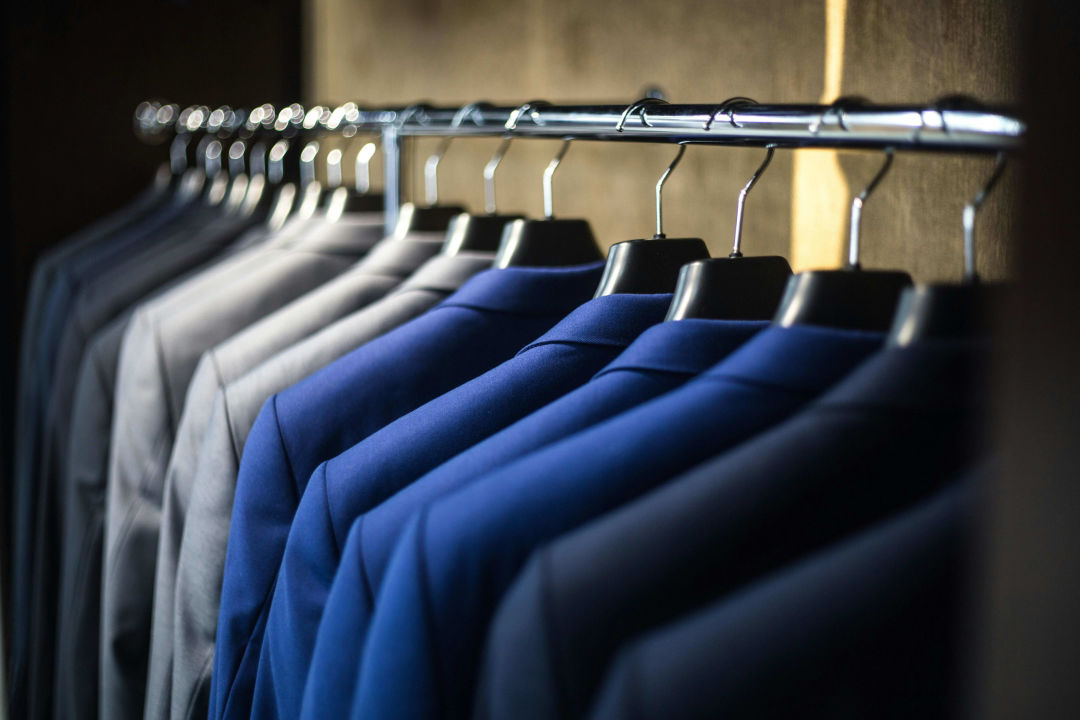
Image: Courtesy Photo via Pexels
Effortless style is often discussed as if it were a genetic trait—a "cool factor" some men are born with while others are destined to spend their lives overthinking the break of their trousers. We see the man at the coffee shop in a wrinkled linen shirt and battered boots who looks like a cinematic lead, and we wonder why the same outfit on someone else looks like an accident.
In reality, effortless style has far less to do with fashion instincts and far more to do with confidence, self-awareness, and the psychological comfort of being seen. Most men don’t avoid style because they’re uninterested; they avoid it because they care—perhaps too much. The fear of looking like they’re "trying," standing out for the wrong reasons, or being judged for vanity can turn simple wardrobe decisions into significant mental obstacles.
The "Try-Hard" Paradox: Why Style Feels Uncomfortable
For many men, style is governed by a set of unspoken, contradictory rules. You are expected to look put-together, but not "polished." You should be confident, but never self-aware. This creates a "Goldilocks Zone" of dressing that is incredibly narrow and difficult to navigate.
1. The Safety of the Default
Social environments—workplace hierarchies, peer groups, and even family dynamics—quietly reinforce these expectations. When personal expression conflicts with what feels socially "safe," most men default to the familiar. This is why the "tech uniform" or the "neutral polo" becomes a suit of armor; it’s a way to disappear into the crowd. Playing it safe feels easier than risking the question: "Why are you so dressed up?"
2. The Internal Critic
This tension eventually becomes an internal monologue. Before a man even leaves the house, he anticipates the judgment of others. A new jacket or a slightly bolder pair of shoes can feel like a loud statement rather than a personal preference. This internal dialogue—Is this too much? Does this look forced?—is the primary barrier to effortless style. The clothes aren't the problem; the hesitation is.
Accessories as Quiet Signals of Personality
If the outfit is the foundation, accessories are the nuance. They allow a man to communicate his personality without raising his voice. Because they occupy a small visual footprint, they offer a low-risk way to experiment with intention.
-
Eyewear: A well-chosen pair of glasses is perhaps the most transformative tool in a man's arsenal. Choosing luxury sunglasses isn’t merely about status; it’s about the marriage of function and architecture. When a frame fits the face and the lifestyle, it quietly reinforces presence.
-
The Power of Consistency: Watches, belts, and subtle jewelry work best when they aren’t "peacocking." Their impact comes from the fact that they are worn every day. When an accessory feels like an integrated part of a man's silhouette, it stops being a "decoration" and starts being an identifier.
-
The Rule of Subtlety: An accessory should never look like it was the first thing you picked out. It should look like the last thing you'd take off.
Footwear: The Foundation of Identity
Shoes are the most honest part of a man’s wardrobe. They reflect his priorities—comfort, mobility, and daily routine—more accurately than a suit ever could. Because footwear is a functional necessity, it is often where men feel most "allowed" to invest.
The Rise of the Refined Casual
The shift toward dependable men’s casual sneakers signals a modern balance between practicality and aesthetic intention. These aren't the neon-clad gym shoes of the past; they are clean, high-quality staples that support movement without feeling performative.
|
Element |
Effect on Style |
|
Material (Leather/Suede) |
Elevates the casual to something intentional. |
|
Silhouette (Slim/Minimal) |
Allows the shoe to pair with everything from denim to tailoring. |
|
Condition (Clean/Maintained) |
Signals self-respect without saying a word. |
When footwear aligns with a man's actual life rather than a fleeting trend, it grounds the entire outfit. Pairing high-quality sneakers with tailored trousers suggests a man who knows the rules well enough to break them comfortably.
Looking Intentional Without Overthinking
The "secret" to effortless style is a bit of a letdown: it actually requires effort. However, it is front-loaded effort. Men who look consistently comfortable rely on repetition and a "curated uniform."
-
Reduce Decision Fatigue: By owning a smaller set of high-quality items that all work together, the "performance" of getting dressed becomes a "routine."
-
Trust the Fit: Effortlessness is impossible if you are constantly tugging at a collar or adjusting a waistband. Fit is the prerequisite for comfort.
-
Embrace Wear and Tear: True style often looks better once the "newness" has rubbed off. A broken-in leather bag or a well-worn pair of boots looks effortless because it carries the history of the wearer.
How Style Decisions are Actually Made
Men rarely shop based on "trends" found in magazines. Instead, they make decisions through a blend of logic and social proof. They look for durability and value, but they are also moved by how a piece of clothing supports their identity.
This is why organic discovery is so powerful. A man is more likely to buy a specific brand of eyewear because he saw it on a mentor or read about its craftsmanship in an article on daily routines than because of a flashy billboard. When style is presented as an extension of a life well-lived, it feels relevant rather than persuasive.
The Bottom Line
Effortless style is the physical manifestation of authenticity. It is the point where a man’s appearance finally stops interrupting his mindset and starts supporting it. When you stop worrying about looking "too intentional," you paradoxically achieve the very look you were after.
True style doesn’t demand a spotlight. It shows up quietly in the way you move, the way you work, and the way you carry yourself through the world.