




Effective strategies to market a spa business in 2026
TL;DR
-
Local SEO and Google Business Profile optimization are the highest-priority channels for spas, since 70% of searches carry local booking intent
-
Short-form video on Instagram and TikTok drives new client discovery, while email and SMS automation handle retention at the lowest cost per conversion
-
Spa owners who combine loyalty programs and membership packages with paid retargeting consistently see stronger lifetime client value and more predictable monthly revenue
-
Managing bookings, reminders, and client records through a dedicated platform like Booksy Biz reduces no-shows and keeps the client experience consistent across every touchpoint
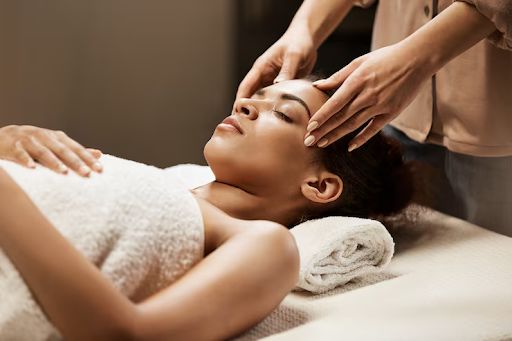
Image: Freepik.com
Spa businesses that grew in 2026 didn't do it by chance. They showed up in local search, built trust on social media, and kept clients coming back through smart retention systems. In this guide, we'll walk you through the marketing strategies that actually drive bookings, from optimizing your Google presence to running ads that convert, so you have a clear picture of what works and why.
What Is Spa Marketing?
Spa marketing covers every method a spa uses to attract new clients, convert inquiries into booked appointments, and keep existing clients returning. It includes local SEO, paid advertising, social media, email campaigns, loyalty programs, and reputation management.
Unlike general business marketing, spa marketing is built around trust and locality. Clients choose a spa based on reviews, photos, and how easily they can find and book online. Tools like Booksy Biz and platforms compared in resources like the GlossGenius comparison help spa owners manage bookings, automate reminders, and track client history in one place.
In 2026, effective spa marketing also means showing up inside Google's AI Overviews and Map Pack, not just ranking on page one.
Does Spa Marketing Actually Drive Revenue, or Is It Just Brand Awareness?
Spa marketing drives direct, measurable revenue when targeting the right audience through the right channels. Personalized marketing delivers 10 to 15% revenue lifts, with top performers reaching 25% or more.
The metrics that matter are booked appointments, rebooking rate, client lifetime value, and cost per acquisition. A spa with a 70% rebooking rate and 500 Instagram followers will consistently outperform one with 50,000 followers and no retention strategy.
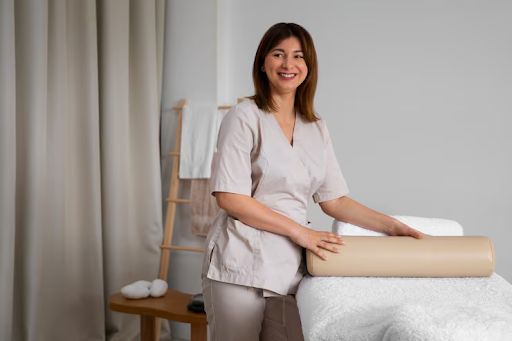
Image: Freepik.com
Local SEO: How to Show Up When Someone Searches "Spa Near Me"
70% of spa searches are local and intent-driven, meaning the person searching is ready to book. That makes local SEO the highest-priority marketing channel for any spa operating in a fixed location.
Google Business Profile and Service Pages
Your Google Business Profile is your most visible asset in local search. Fill out every field: business category, services, hours, photos, and Q&A. Use specific service categories like "facial spa," "massage therapy," and "body wrap" rather than the generic "day spa."
Each treatment also needs its own dedicated landing page targeting a specific query: "deep tissue massage in [city]" or "HydraFacial near me." A single Services page cannot rank for multiple treatments. These pages, when structured with clear headings and concise answers, also feed directly into Google's AI Overviews.
What About Map Pack Rankings?
Spas with complete profiles, consistent NAP data (name, address, phone number) across directories, and a steady stream of recent Google reviews earn Map Pack placement most reliably. Review velocity matters: ten new reviews this month outweighs fifty reviews from two years ago in Google's local ranking signals.
Social Media That Actually Brings in Clients
Instagram and TikTok drive new client discovery. Facebook remains relevant for retargeting clients over 35. The content type that consistently outperforms everything else is short-form video.
Short-Form Video and User-Generated Content
Behind-the-scenes clips, treatment previews, and staff introductions on Reels and TikTok reach new audiences without paid promotion. Three to five posts per week is the minimum for meaningful algorithm traction. Production quality matters less than consistency and authenticity.
A dedicated photo spot inside the spa with good lighting turns clients into content creators at no cost. Branded hashtags and small incentives like a discount on the next visit for a tagged post generate user-generated content that builds social proof faster than any branded post.
Educational content, such as skincare tips, ingredient breakdowns, and treatment explainers, also performs well in search feeds and positions the spa as a credible source rather than just a service provider.
Paid Advertising: Where to Spend and What to Expect
Paid ads accelerate results but work best alongside a solid organic foundation. Spas that rely exclusively on ads without local SEO presence pay more per lead and lose visibility the moment spend stops.
Google Ads capture high-intent searches: "book facial near me," "best massage [city]," "lymphatic drainage [area]." Ad extensions, review ratings, and direct booking links increase click-through rate without raising cost per click.
On Meta, retargeting is where the real value sits. Most prospects do not book on their first website visit. A retargeting campaign using three audiences, website visitors, social engagers, and a lookalike list built from existing clients, re-engages those leads across Instagram and Facebook until they convert.
Image: Freepik.com
Email and SMS: The Retention Channels Most Spas Underuse
Email marketing delivers around $36 for every $1 spent across service businesses, making it one of the most efficient channels available. Three automated sequences cover most revenue-driving situations: a welcome series for new clients, appointment reminders sent 48 hours and 2 hours before a visit, and a re-engagement campaign for clients who haven't booked in 60 to 90 days.
SMS complements email for time-sensitive communication. Open rates exceed 90%, making it the fastest way to fill last-minute cancellation slots or promote a short-window offer. Two to four SMS messages per month is the ceiling before opt-outs increase significantly.
Loyalty Programs and Memberships
Acquiring a new client costs five to seven times more than retaining an existing one. A membership model directly reduces that pressure by locking in recurring visits and predictable monthly revenue.
Effective memberships include a recurring service, priority booking, and at least one perk that feels exclusive: early access to new treatments, complimentary add-ons after a set number of visits, or member-only events. A monthly facial membership priced 15 to 20% below walk-in rates gives clients a clear financial reason to commit while smoothing the spa's revenue across slower periods.
Strategic Partnerships and Community Presence
Local partnerships extend reach without ad spend. High-end gyms, yoga studios, bridal boutiques, and luxury hotels share a similar clientele and are natural referral partners. Co-branded offers and formal cross-referral agreements outperform vague collaboration arrangements.
Local micro-influencers with 5,000 to 50,000 followers consistently drive more actual bookings than national accounts because their audience is geographically concentrated and trusts their recommendations. Complimentary treatments in exchange for organic content is a standard and effective arrangement.
Wellness workshops and open-house events put potential clients inside the spa before they commit to a booking, and they generate reviews, content, and word-of-mouth simultaneously.
What Makes a Spa Business Successful Beyond Marketing?
Marketing amplifies what is already working. If service quality, staff retention, and the booking experience are inconsistent, no marketing strategy fixes the underlying problem. Frictionless online booking, responsive review management, and a consistent client experience are the operational foundation that every marketing channel builds on.
FAQ
Q: What is the most effective way to market a spa business?
The strongest results come from combining local SEO, short-form video on Instagram and TikTok, and automated email or SMS retention. Google Business Profile optimization captures ready-to-book local traffic. Social media builds trust and discovery. Email and SMS bring existing clients back. No single channel works as well in isolation.
Q: How do you get more clients for a spa?
Most new clients come from local search, social media, and referrals. Ranking in Google's Map Pack for searches like "spa near me" captures high-intent traffic. A referral program that rewards existing clients for bringing someone new turns satisfied clients into a consistent acquisition channel.
Q: How much should a spa spend on marketing?
A growth-phase spa should allocate 8 to 12% of gross revenue to marketing. New locations entering competitive markets may need closer to 15% initially. Track cost per booked appointment, not cost per click, to measure whether spend is actually working.
Q: Does social media actually bring in spa clients?
Yes, when the format is right. Instagram Reels and TikTok consistently drive new client discovery. Behind-the-scenes content, treatment previews, and skincare education posts outperform generic promotional graphics. The algorithm favors video and surfaces it to local users who match the spa's target demographic.
Q: What marketing tools do spa owners use?
Most spa owners rely on a booking platform, an email tool, and an ads manager. Booksy Biz covers appointment scheduling, automated reminders, and client records. Klaviyo or Mailchimp handle email and SMS. Meta Ads Manager and Google Ads run paid acquisition. Those three cover the core stack for most spa businesses.