





THC Drinks vs THC Gummies: Which Kicks In Faster and Stronger?
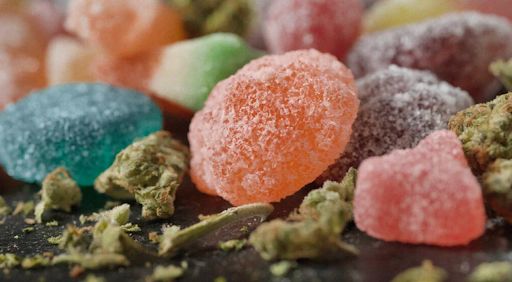
Image: Courtesy Photo
As cannabis consumption continues to move beyond smoking, THC drinks and THC gummies have become two of the most popular alternatives. Both offer discreet, smoke-free experiences, but they behave very differently once they enter the body. For many users, the real questions are simple but important: which one kicks in faster, and which one feels stronger?
The answers depend on how THC is absorbed, how the body processes it, and what kind of experience someone is actually looking for. While both gummies and drinks contain THC, the journey that compound takes inside the body shapes the timing, intensity, and overall feel of the high.
THC gummies rely almost entirely on digestion. After eating a gummy, it travels through the stomach and into the small intestine, where THC is absorbed into the bloodstream. From there, it goes straight to the liver. This step is crucial because the liver converts THC into a compound called 11-hydroxy-THC. This metabolite is significantly more potent and crosses the blood-brain barrier more efficiently than regular THC.
This metabolic detour explains why gummies take time to kick in. For most people, effects begin anywhere between 45 minutes and two hours after consumption, sometimes longer. The onset can feel slow and subtle at first, which often leads to impatience. Many people make the mistake of taking more before the first dose has fully activated. When the effects finally arrive, they can feel intense, immersive, and difficult to control.
That same process is also why gummies are often considered stronger. The high tends to be deeper, more body-focused, and longer-lasting. Once it peaks, it can last anywhere from four to eight hours, sometimes extending even further depending on dose, tolerance, and metabolism. For some, this feels relaxing and therapeutic. For others, especially those prone to anxiety, it can feel overwhelming.
THC drinks work differently, especially modern cannabis beverages designed for faster absorption. Many THC drinks use nano-emulsification, a technology that breaks THC into tiny particles that mix evenly with liquid. These smaller particles are absorbed more efficiently and begin entering the bloodstream through the mouth, throat, and stomach lining, rather than relying entirely on digestion.
Because of this, THC drinks usually kick in much faster than gummies. Many users feel effects within 10 to 30 minutes. The onset is smoother and more predictable, often compared to the gradual rise of smoking or vaping, but without the harshness on the lungs. This faster feedback loop makes it easier to gauge how high you’re getting and whether you want more.
In terms of strength, THC drinks often feel lighter and more functional. The high tends to be more cerebral and less heavy in the body. While they can still be potent depending on dosage, they usually do not produce the same deep, all-encompassing intensity that gummies can. The effects also wear off sooner, typically within two to four hours, making THC drinks easier to fit into social settings or daytime use.
Another important difference is predictability. Gummies can be inconsistent because digestion varies from person to person and even day to day. What feels mild one evening might feel surprisingly strong the next, especially if taken on an empty stomach. THC drinks tend to deliver more consistent experiences because absorption begins sooner and is less dependent on digestion alone. This consistency is a major reason why newer users often prefer drinks.
Control plays a role in perceived strength as well. Because gummies take so long to kick in, users often feel as though the high “comes out of nowhere.” THC drinks provide quicker signals, allowing users to adjust intake before things escalate too far. This sense of control can make drinks feel gentler, even if the actual THC dose is similar.
Duration further separates the two. Gummies commit you to a long experience. Once they take effect, there’s no quick exit. THC drinks offer a shorter arc, which many people find appealing when they want to relax without being impaired for most of the day or night. This shorter duration also makes drinks feel less intimidating for those with lower tolerance.
Tolerance and experience level matter greatly. New or occasional users often find THC gummies stronger because they are not prepared for the delayed but powerful effects. Experienced users may appreciate gummies precisely for that depth and longevity. THC drinks, meanwhile, appeal to users who want a controllable, social, or task-friendly high that doesn’t linger too long.
So which kicks in faster? THC drinks, clearly. Which is stronger? If strength means intensity, body load, and duration, THC gummies usually win. If strength means how quickly you feel something and how noticeable it is early on, THC drinks can feel stronger in the moment.
Neither option is universally better. They simply serve different purposes. THC drinks are about speed, control, and predictability. THC gummies are about depth, longevity, and intensity. Understanding how each works allows users to choose intentionally rather than by trial and error.
With THC, the method matters as much as the dose. Knowing the difference between drinks and gummies can turn an uncertain experience into one that feels balanced, enjoyable, and aligned with the moment you’re in.