





How to Choose the Best Knitting Starter Kit When You’ve Never Picked Up Needles Before
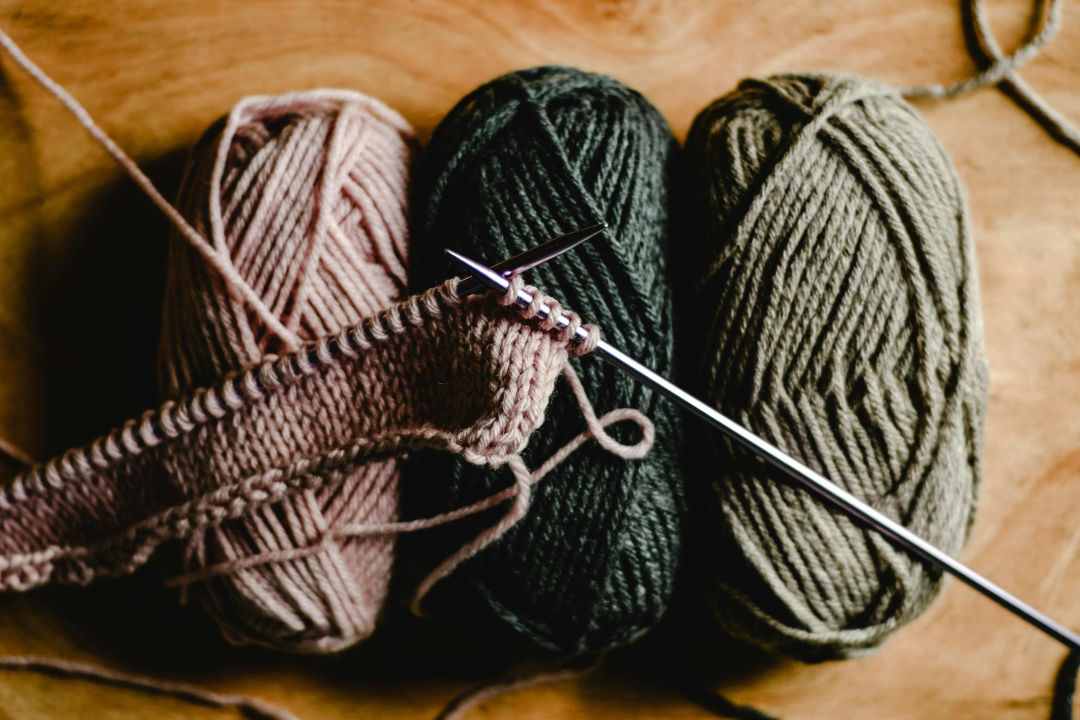
Image: Eva Bronzini via Pexels
Knitting is an incredibly versatile and relaxing hobby that can yield beautiful results, but if you’ve never picked up needles before, the initial leap into the craft can feel daunting. A well-thought-out knitting starter kit can make all the difference, smoothing the way for novices to envelop themselves in yarn arts. Here’s a comprehensive guide on how to choose the best knitting starter kit and what you should look for as you venture into this creative world.
Understand What You Need
Different Components of a Knitting Kit
To make an informed choice, it’s crucial to understand the typical components of a knitting starter kit. While options may vary, common items include:
• Knitting Needles: Ranging from different sizes and materials, these come in straight or circular forms. Beginners usually start with straight needles, while circular needles can be advantageous for larger projects.
• Yarn: Previously, knitting was almost exclusively done with wool, but modern yarns come in various materials, including acrylic, cotton, and blends. Choosing yarn that's not too thick or thin will help ease your learning curve.
• Instructional Booklets or Patterns: Look for kits that include clear, beginner-friendly patterns or instructional materials. Good guidance will set the foundation for your knitting journey.
• Accessories: Stitch markers, tape measures, and yarn needles often come included in starter kits. These little tools are vital for creating neat projects and help foster good knitting habits.
Consider First-Time Knitter Essentials
When browsing for a knitting starter kit, understanding the “first-time knitter essentials” will offer clarity on what you really need to make your learning process as smooth as possible. A thoughtful starter kit not only supplies you with the fundamental tools but also comes with beginner-friendly patterns that guide you step by step through the knitting process.
If you’re unsure where to begin your search, one great resource is Knit in a Box. Their selection includes expertly curated kits designed specifically for newcomers, ensuring you’re not overwhelmed by choices.
Gauge Your Skill Level
Evaluate Your Comfort with Complex Patterns
As a beginner, you might be tempted to rush into intricate projects that catch your eye. However, it’s wise to stick to simple patterns in the beginning. Look for kits that feature basic stitches—knit and purl—while offering the option to gradually incorporate more complex techniques as you become comfortable.
Consider the potential for growth within your kit. Does it offer patterns for various projects? This flexibility allows you to challenge yourself over time without needing another complete kit right away.
Quality Over Quantity
Choosing the Right Yarn and Needles
While it’s tempting to choose the most extensive or flashy kit on the market, prioritising quality over quantity can lead to a more rewarding experience. Opt for yarn that is soft against the skin, making it pleasurable to work with. Fabrics that are smooth and easy to manipulate will help you focus on your technique rather than getting frustrated with your materials.
Similarly, choose needles that feel good in your hands. Lighter weight materials, such as bamboo or plastic, can often work better for beginners compared to metal needles, which can be slippery.
Look for Community Support
The Importance of Knitting Groups
A fantastic way to enhance your knitting journey is by joining local or online knitting communities. Many knitting starter kits come with access to exclusive online platforms or events where you can connect with other knitters. Engaging with a community can provide invaluable support as you navigate through challenges and ask questions.
Using social media platforms, you can also find inspiring tutorials and showcase your progress. This sense of community can be a motivating factor, and perhaps even a lifeline during particularly daunting projects.
Start Small, Dream Big
Set Realistic Goals
Before diving into larger projects like sweaters or intricate patterns, focus on small, achievable goals. Knitting a simple scarf or dishcloth is not only satisfying but also practical. Once you’ve built confidence and skill, you can gradually take on bigger challenges.
Having a manageable project will prevent you from feeling overwhelmed and help retain that initial spark of excitement about your new hobby. It's a simple yet effective way to celebrate your evolving skills along the way.
Conclusion
Choosing the best knitting starter kit for your journey requires thoughtful consideration of your needs, learning preferences, and long-term aspirations in the craft. By focusing on the essential components of a kit, understanding your skill level, prioritising quality, and engaging with a supportive community, you set yourself up for success. Knitting can offer a myriad of benefits, from relaxation to creativity, so take your time selecting tools that resonate with you.